x




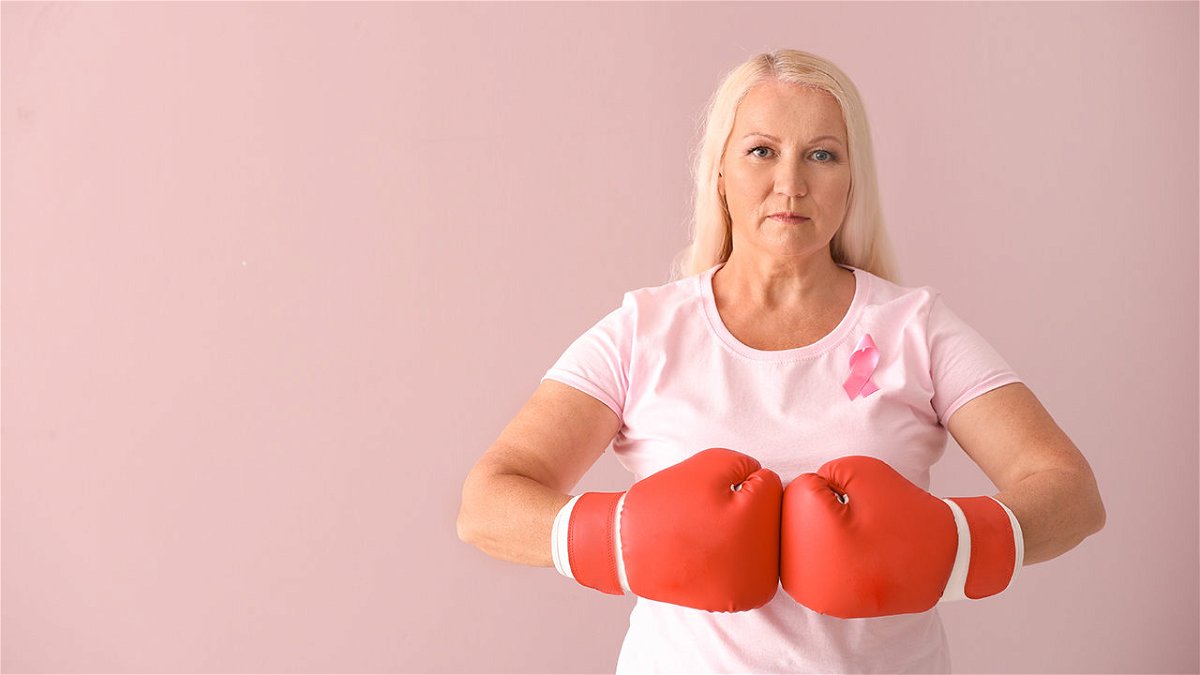
If you're concerned about breast cancer, you might be wondering if there are steps you can take toward breast cancer prevention. Some risk factors, such as family history, can't be changed. However, there are lifestyle changes you can make to lower your risk.
What can I do to reduce my risk of breast cancer?
Lifestyle changes have been shown in studies to decrease breast cancer risk even in high-risk women. The following are steps you can take to lower your risk:
-- Limit alcohol. The more alcohol you drink, the greater your risk of developing breast cancer. The general recommendation -- based on research on the effect of alcohol on breast cancer risk -- is to limit yourself to less than 1 drink per day as even small amounts increase risk.
-- Don't smoke. Accumulating evidence suggests a link between smoking and breast cancer risk, particularly in premenopausal women. In addition, not smoking is one of the best things you can do for your overall health.
-- Control your weight. Being overweight or obese increases the risk of breast cancer. This is especially true if obesity occurs later in life, particularly after menopause.
-- Be physically active. Physical activity can help you maintain a healthy weight, which, in turn, helps prevent breast cancer. For most healthy adults, the Department of Health and Human Services recommends at least 150 minutes a week of moderate aerobic activity or 75 minutes of vigorous aerobic activity weekly, plus strength training at least twice a week.
-- Breast-feed. Breast-feeding might play a role in breast cancer prevention. The longer you breast-feed, the greater the protective effect.
-- Limit dose and duration of hormone therapy. Combination hormone therapy for more than three to five years increases the risk of breast cancer. If you're taking hormone therapy for menopausal symptoms, ask your doctor about other options. You might be able to manage your symptoms with nonhormonal therapies and medications. If you decide that the benefits of short-term hormone therapy outweigh the risks, use the lowest dose that works for you and continue to have your doctor monitor the length of time you are taking hormones.
-- Avoid exposure to radiation and environmental pollution. Medical-imaging methods, such as computerized tomography, use high doses of radiation. While more studies are needed, some research suggests a link between breast cancer and radiation exposure. Reduce your exposure by having such tests only when absolutely necessary.
Can a healthy diet prevent breast cancer?
Eating a healthy diet might decrease your risk of some types of cancer, as well as diabetes, heart disease and stroke. For example, women who eat a Mediterranean diet supplemented with extra-virgin olive oil and mixed nuts might have a reduced risk of breast cancer. The Mediterranean diet focuses on mostly on plant-based foods, such as fruits and vegetables, whole grains, legumes and nuts. People who follow the Mediterranean diet choose healthy fats, like olive oil, over butter and fish instead of red meat.
Maintaining a healthy weight also is a key factor in breast cancer prevention.
Is there a link between birth control pills and breast cancer?
There's some evidence that hormonal contraception, which includes birth control pills and intrauterine devices (IUDs) that release hormones, increases the risk of breast cancer. But the risk is considered very small, and it decreases after you stop using hormonal contraceptives.
A recent study that indicated an association between hormonal contraceptive use and breast cancer determined one additional breast cancer could be expected for every 7,690 women who use hormonal contraception for at least one year.
Discuss your contraceptive options with your health care provider based on your particular needs. Also consider the benefits of hormonal contraception, such as controlling menstrual bleeding and reducing the risk of other cancers, including endometrial cancer and ovarian cancer.
What else can I do?
Be vigilant about breast cancer detection. If you notice any changes in your breasts, such as a new lump or skin changes, consult your doctor. Also, ask your doctor when to begin mammograms and other screenings based on your personal history.
.png)