x



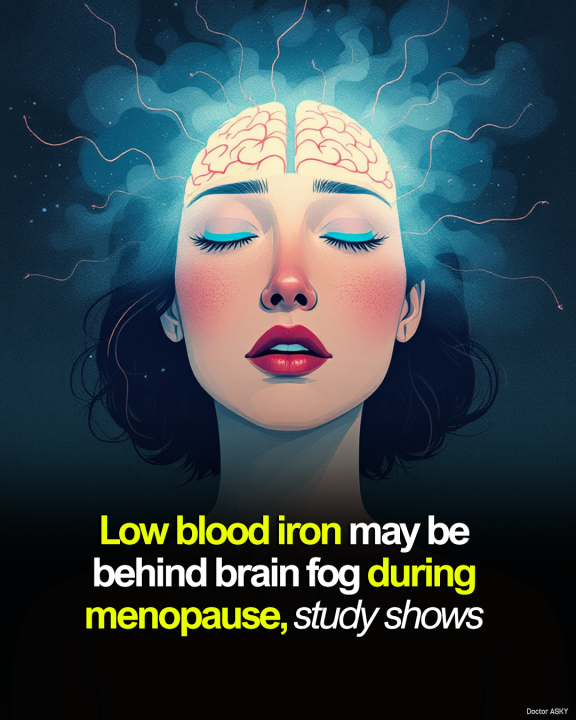
Feeling mentally foggy during menopause? New research says low iron levels might be the hidden reason. A recent study published in the journal Nutrients reveals that women with healthy blood iron levels during the menopausal transition perform better on cognitive tasks like memory and attention—without the risk of harmful iron buildup in the brain.
While most women in the study weren’t technically iron deficient, many had lower-than-ideal levels for their age. Those with suboptimal iron levels struggled more with tasks involving focus and memory. Researchers say this sluggish cognitive performance—often described as “brain fog”—may stem from minor iron shortfalls. The difference might only be milliseconds in reaction time, but those delays can snowball in everyday decision-making, like forming sentences or making quick choices.
The surprising part? Having higher blood iron didn't mean these women had dangerous amounts of iron in their brains. That’s a relief, since excess brain iron has been linked to neurodegenerative diseases like Alzheimer’s. This study shows it's possible to boost iron levels safely during menopause without increasing those long-term risks.
Experts explain that once menstruation ends, women stop losing iron monthly, which changes their iron needs. Despite this, OB-GYN visits rarely include iron testing, possibly missing an opportunity to catch low levels that could explain symptoms like brain fog or even subtle vision changes. Iron plays a key role in dopamine production—a neurotransmitter important for both thinking and seeing clearly.
While high-dose iron supplements often cause stomach issues, researchers suggest that low-dose supplements or iron-rich foods might ease cognitive issues for women in this transition phase. Simple diet changes could make a real difference in how women feel and think during menopause.
Learn More at: www.bobbybrownbiz.com