x




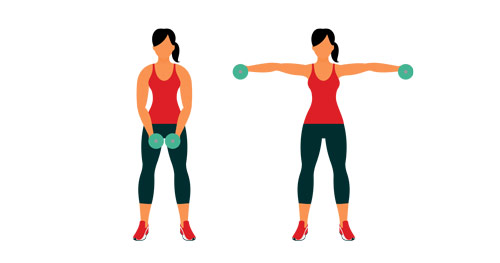
"Building muscle mass should be part of everyone's plan to reduce the risk of cognitive decline,” says Richard Isaacson, MD, FAAN, director of the Alzheimer's Prevention Clinic at the Weill Cornell Memory Disorders Program in New York City. People tend to lose 1 percent of their muscle mass every year as they age, and low muscle mass, combined with excess fat, gives rise to metabolic problems associated with cognitive decline, he explains. “Whatever happens in the body affects brain health. As belly size gets bigger, the hippocampus gets smaller, and our cognitive decline suffers,” he says, citing a 2019 study in Neurology that looked at the link between body mass index, waist-to-hip ratio, and brain volume. “Exercise has the ability to actually grow the brain and boost brain function.”
Lifestyle modifications that include strength training and other exercise, as well as dietary changes, may improve cognitive function and reduce the risk for Alzheimer's in the future, according to Dr. Isaacson's own research published last year in Alzheimer’s and Dementia. He notes in the report that more research is needed to prove a connection between exercise and Alzheimer's. And to reap any benefits from exercise and strength training, you have to do more than visit a gym once a month, Dr. Isaacson says.
Instead of telling his patients to simply exercise, Dr. Isaacson encourages them to develop a specific, individualized plan. To do that, he recommends they contact a doctor of osteopathy, who can measure body composition, and then reach out to a physical therapist or certified trainer who can help them build muscle, trim fat, and balance their metabolism. According to the National Institute on Aging, people should try to work up to 30 minutes of moderate-intensity exercise as often as possible, preferably every day. They also should do strength training exercises for all muscle groups at least twice a week for 30 minutes. Elderly people and those with chronic illness should adhere to these standards as much as they’re able.
.jpg)