x




Billions of years ago, certain cells experienced an invasion by a group of microorganisms that were a form of bacteria. The resulting relationship between the cells and these new microorganisms was not parasitic but symbiotic. The descendants of the microbes later became mitochondria, the producers of cellular energy found in your own bod’s cells today.
The mitochondria play a very important role in maintaining your physical and mental health. By improving their functioning, you can increase cellular energy production and in turn boost your physical strength and reduce episodes of lethargy. In fact, boosting your health at this micro level can have a wide range of benefits that will improve your quality of life. But first, it is important to understand how the mitochondria work.
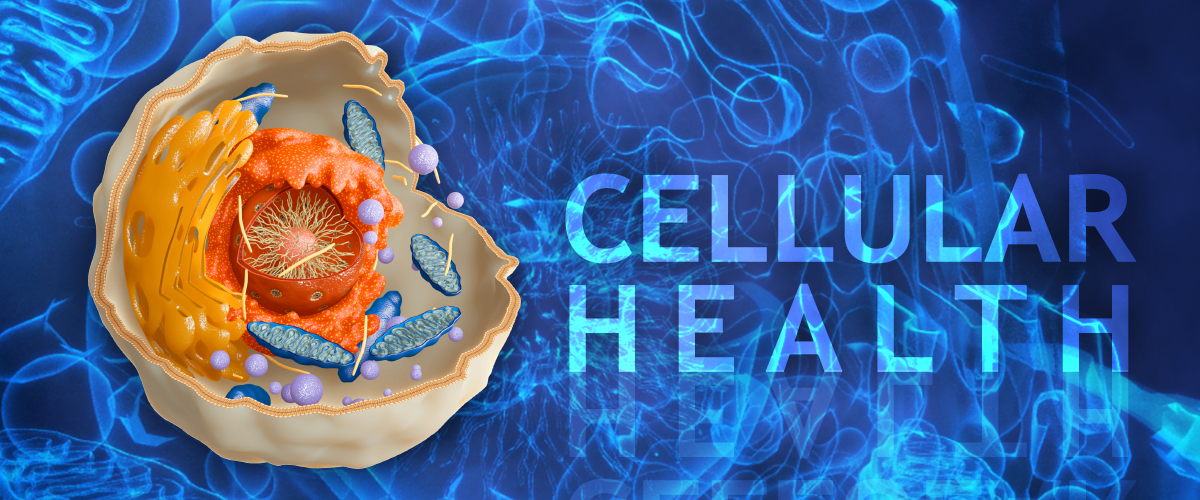
The mitochondrial process derives its energy from a molecule commonly known as ATP (adenosine triphosphate). This molecule is created entirely within the mitochondria, and it takes a lot of work to produce ATP as is required by the cell. To ensure that energy is supplied to the cell, a single ATP molecule will have to be recycled about a thousand times every 2 hours.
Since mitochondria evolved from independent microorganisms, they have their own unique DNA. Its DNA is more susceptible to oxidative damage than cellular DNA. This is because the biochemical processes that take place in the mitochondria (like cellular energy generation) produce a lot of dangerous free radicals that put your body at risk.
For years, scientists have been trying to understand the exact role of mitochondria in the aging process. One theory is that an increase in the frequency of mitochondrial mutations is responsible for aging and the issues associated with it. This theory comes from the observation that as people grow olde, they tend to have a higher count of mitochondria. However, this theory has never been proven conclusively.
Recent studies point to other factors that may indicate a link between mitochondria and longevity. These studies are revealing that this important component of the cell is not just a source of energy. It plays a critical role in maintaining the integrity of the cell. It is an agent that facilitates signaling between cells, stimulates the immune function, and modulates the production of stem cells for the regeneration of cells and tissues.
Oxidative stress can cause a lot of damage at the cellular level. Oxygen is a vital element that the mitochondria needs for the production of energy. It is used in the cell to produce adenosine triphosphate. However, because the mitochondria are the powerhouse of the cell, it produces a lot of free radicals.
Free radicals are molecules that are missing one or more electrons. These molecules are released as a result of biochemical reactions. They are unstable and can cause a lot of damage as they try to restore their neutrality. They cause molecules of other compounds to disintegrate.
Along their path, free radicals are known to change the composition of certain compounds. In turn, these compounds trigger reactions at the cellular level that are known to produce even more potent free radicals. This chain of reactions has an impact on the DNA structure of the cell, and ultimately tissues and organs.
To prevent this oxidative stress at the cellular level, it is important to take antioxidants. These are chemical compounds that can donate electrons to free radicals. However, unlike other compounds, they can provide the needed electron without turning into free radicals.
Antioxidants have other important functions. They encourage cell apoptosis to prevent the growth of tumors. Some antioxidants can attach themselves to the DNA to prevent the DNA from getting involved in biochemical reactions that would cause damage.
In order to ensure that your body is protected, there are two things you can do. One is to prevent the production of these free radicals at the cellular level. The other thing you can do is to increase the number of antioxidants in the body and to insulate your body from the free radicals. There are several ways you can protect your body from this kind of damage for longevity and overall health.
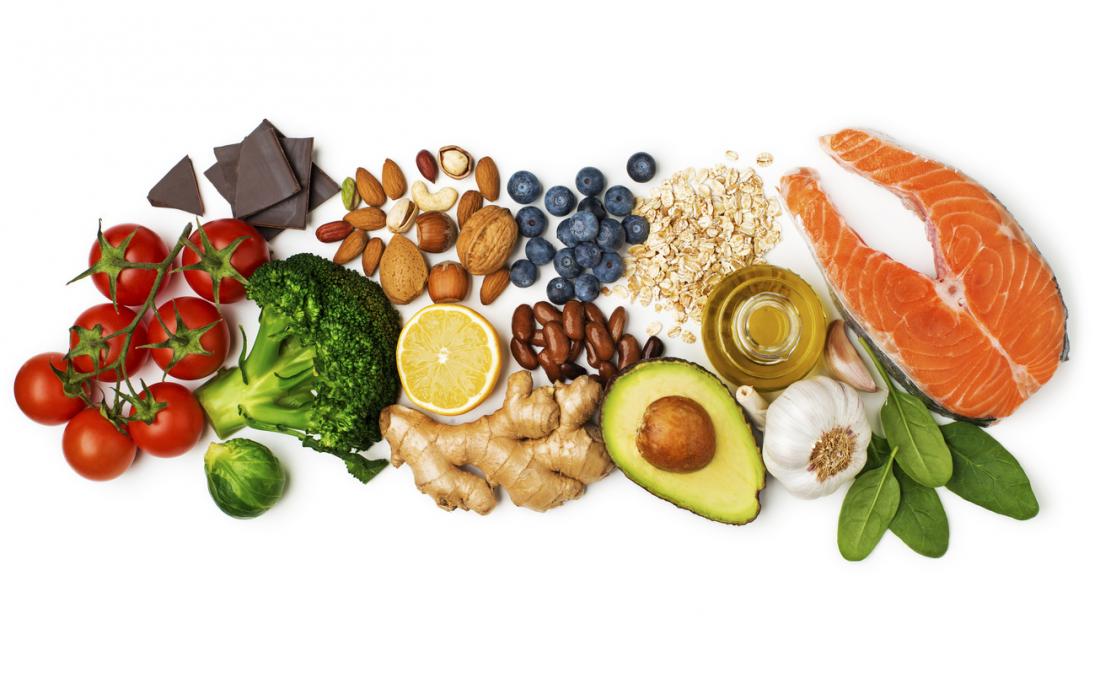 Better Nutrition and Cellular Energy
Whether you want to lose weight, reduce fatigue, or live longer, nutrition is the most important aspect of your health that you need to focus on. Research studies and health officials have often pointed out that nutrition is indeed the single most important factor for optimal health,
The U.S. Department of Health and Human Services has found that up to half a million people are killed by poor nutrition every year. Research studies going back decades have shown that the human lifespan can be increased by a third or more by reducing calorie intake while adopting a nutrient rich diet.
A nutrient rich diet is critical in boosting the body’s ability to fight radicals and contain oxidative stress. A nutritious diet contains the following minerals and vitamins critical for overall cellular function and the production of cellular energy:
To produce sufficient cellular energy, it is therefore important to eat sufficient quantities of vegetables and fruits. However, besides having a nutritious diet, you also need to eat less. Consuming too much food puts a lot of strain of the mitochondria, and this produces a lot more free radicals than the body can handle.
It can be difficult to keep track of your calorie intake. but there are things you can do to stay lean and reduce the risk of getting obesity-related illnesses.