x




If you’re spending any time at all in Patagonia, you can’t miss one of their major attractions: the fjords of Chile. Towering cliffs and lofty glaciers line and define these narrow inlets, with their breathtaking vistas and icy waters. Calming and commanding all at once, they’re the highlight of so many memorable vacations to the area.
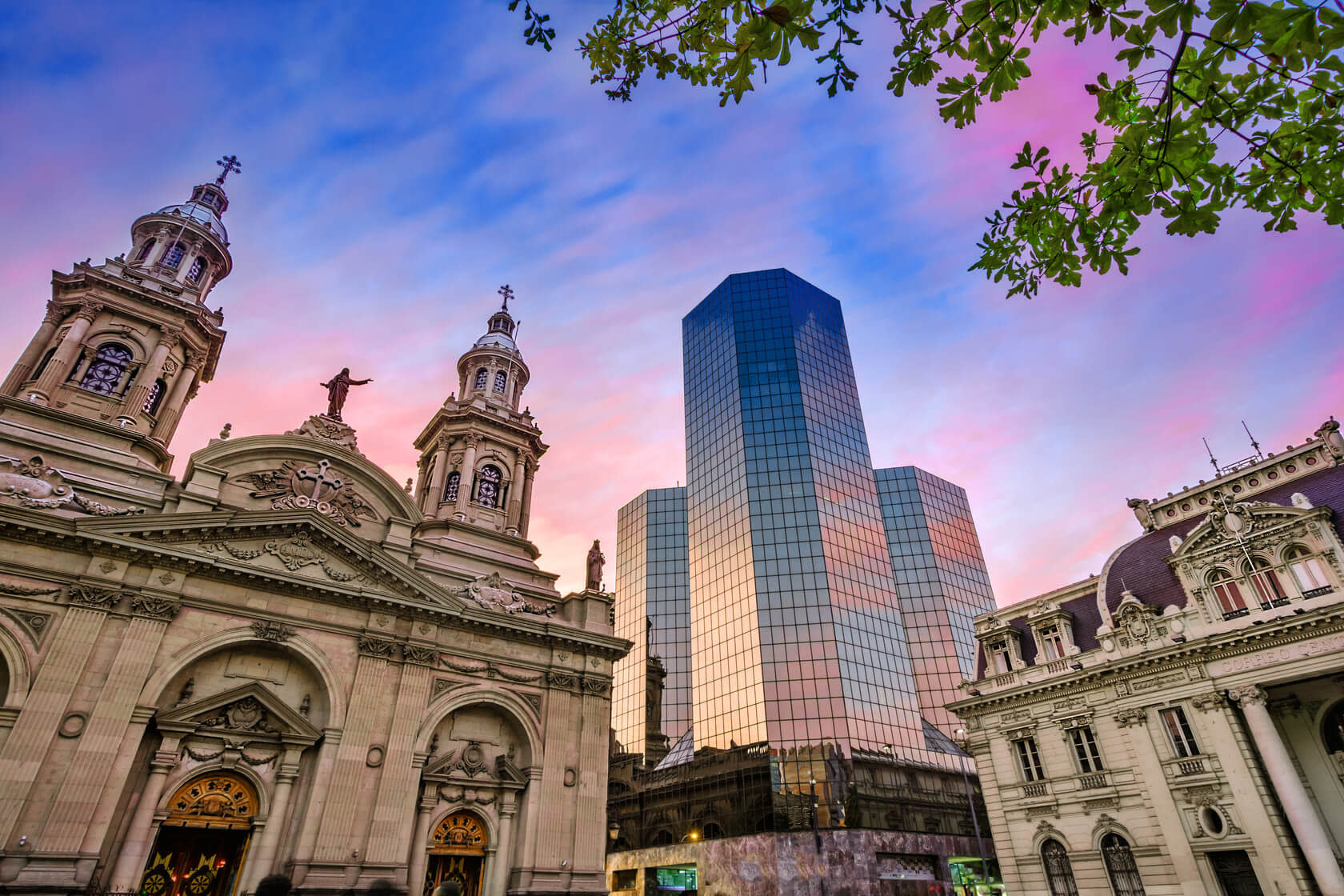
The only way to explore the Chilean fjords is by cruise ship or ferry — but obviously you have to get to the ship first. Most people fly into the busy international airport San Antonio (Santiago), Chile — the country’s largest. An array of Caribbean, Arctic, and even Antarctica cruises (including a number offered by Seabourn) begin in Santiago’s port.
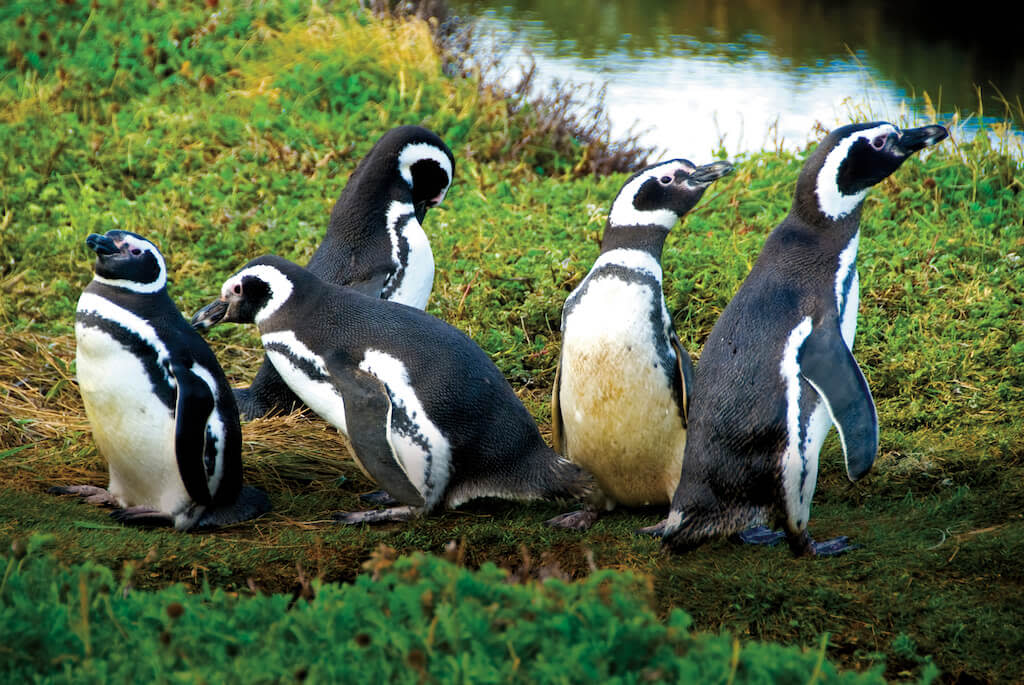
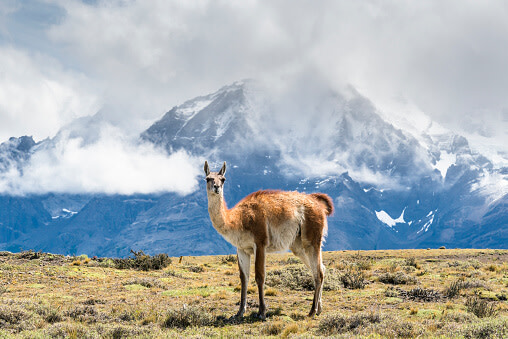
A major draw to seeing this part of the world is seeing the living things, both humble and majestic, that live and thrive in it. An abundance of wildlife flourishes both in the icy waters of the fjords and the lush forests offshore. This is one of the world’s most abundant sources of fish, and you’ll see scores of them virtually everywhere (brightly colored floats denote areas where schools of salmon especially thrive). Sea lions, adorably stubby-legged steamer ducks, numerous types of penguins including Magellan and King, and more also abound in the area. On-shore, there’s an endless array of must-see animals, including guanacos (a native species similar to llamas) and pudús (the world’s tiniest deer).
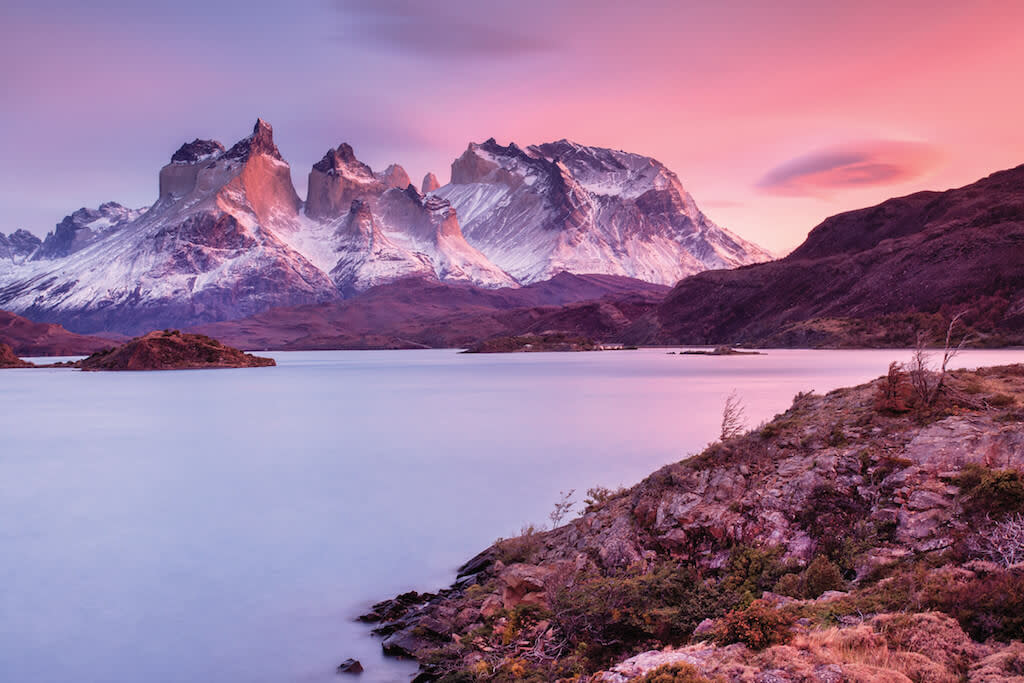
Essentially, Chilean Patagonia is one beautiful landmark — a wide swath of unspoiled beauty. But beyond that, there are a few focus areas. The first is, obviously, the fjords. The next is the Torres del Paine National Park. The centerpiece of Chilean Patagonia, it boasts stunning landscapes, breathtaking trails, spectacular wildlife (including guanaco, pumas, and condor) and a range of accommodations from rustic campsites to luxe hotels.
Once you’re done exploring the park, enjoy time in one of the many nearby towns, where local guides can organize any of a wide range of activities including trekking, cycling, kayaking, rafting, and horse riding trips. An especially notable one is Punta Arenas, a port located near the opening of the Panama Canal. Its mansions and public plazas speak of the area’s rich history. So do its museums, the most notable of which is the Centro Cultural Braun-Menendez — located in a 1906 mansion with its original furnishings, it’s now a national monument.
What PACK TO EXPLORE THE FJORDS
The weather in Patagonia and the Chilean fjords ranges from cold to temperate, with temps ranging from 0 to 22 degrees C. The best time to go is between October and February, which is spring and summer in the area. As far as dressing, go with long-sleeve shirt and pants for daytime during these months. During the evening, and daytime too in all other months, layers are the way to go — a cotton T-shirt, merino sweater or cardigan, and a mid-weight jacket. Note the area is known for being very windy at times, so if you tend to get chilly, go with a heavier jacket, especially if you’ll be spending a lot of time on deck on board your ship. Obviously, those who are participating in more extreme activities like hiking and trekking will need proper hiking boots and a merino base layer in all but the warmest weeks. When it gets very warm, the cool breezes and glacier waters provide plenty of relief.
Cruise The Worls