x



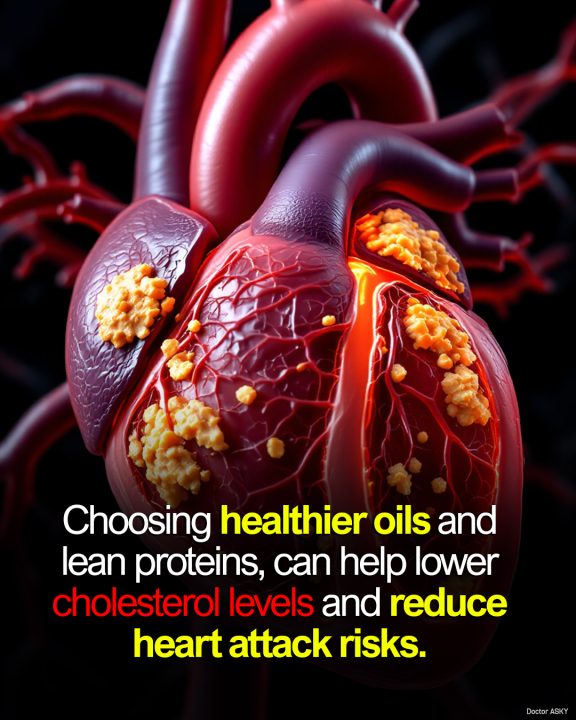
Cholesterol, a waxy substance found in the blood, is necessary for building healthy cells. However, high levels can lead to serious health complications, particularly an increased risk of heart disease. When cholesterol levels are too high, fats and other substances can build up in the arteries, forming plaque. Over time, this plaque narrows or clogs the arteries, making it harder for blood to flow. In some cases, plaque can break off and cause a blood clot, leading to heart attacks or strokes.
Saturated fats, found in many animal products like beef, lamb, pork, and poultry (especially with skin), as well as in dairy products such as cream, butter, and full-fat cheese, are primary contributors to high cholesterol. Certain oils, such as those from palm fruits and coconuts, also contain high levels of saturated fats. While genetics can play a role in high cholesterol, lifestyle choices, particularly diet, are major factors. Consuming foods high in saturated fats increases the risk of elevated cholesterol.
The British Heart Foundation (BHF) suggests some simple food swaps to help lower saturated fat intake. For example, swapping butter with sunflower oil, rapeseed oil, or olive oil spreads can make a significant difference. Choosing skimmed milk instead of whole milk is another effective change. For those who enjoy red meat, switching to fish, chicken, or turkey without skin can help lower cholesterol. Plant-based proteins like lentils, soya, or Quorn are also good alternatives.
Nuts and seeds can be beneficial but should be eaten unsalted to avoid contributing to higher cholesterol levels. Reduced-fat cheese is a better choice than regular cheese for those who love it. In addition to these food swaps, the BHF advises cooking meals at home instead of relying on takeout, exercising regularly, quitting smoking, and reducing alcohol consumption to maintain healthy cholesterol levels Taking Care of Your Health Has Never Been More Important at www.drinkbc6.com