x




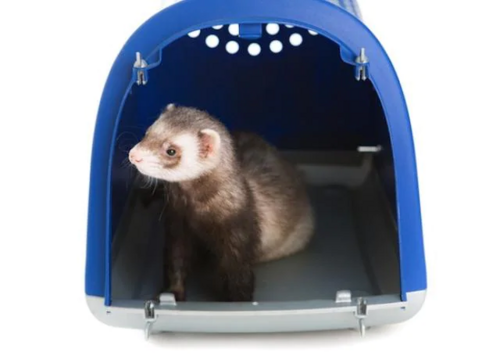
While ferrets seems like a less expensive pet than a dog or a cat, that isn’t always the case. All pets, ferrets included, require a significant investment of time, effort and money. Before bringing a ferret into your family, you’ll want to learn more about the kind of financial commitment you’ll need to give it.
Find out how much ferrets cost and what you’ll need to properly care for your ferret.
Ferret purchase prices vary greatly depending on where you get them, said Mary McCarty-Houser, director of the Pennsylvania Ferret Rescue Association and shelter chair of the American Ferret Association. Ferrets can be found in shelters, in pet stores, and from reputable private breeders (which will charge the most for their ferrets).
Adopting a ferret from a shelter can cost around $100, but many shelter ferrets are up to date on their vaccines, saving you the cost of those. Plus, McCarty-Houser says, shelter staff will work extensively with their ferrets to get to know their personalities, do any behavioral training (if necessary), and understand what type of home environment would be best for them.
“[Shelter staff] are also a lifelong resource to the new owner for questions and help with problems,” McCarty-Houser added.
Pet store ferrets generally cost more (up to $300), depending on the area, but come with no prior veterinary care, creating additional costs on top of purchase price for owners to get their ferrets vaccinated, tested for any diseases, and examined by a veterinarian, McCarty-Houser said.
Reputable private breeders who put a lot of time and effort into tracking family lines and socializing their animals generally sell ferrets from $275 and up.
“Privately bred kits [baby ferrets] go to the owners with health and temperament guarantees and lifelong support of the breeder to the owner,” McCarty-Houser says. “They are usually given their initial canine distemper vaccine, sometimes their rabies shot, and are Aleutian Disease Virus (ADV)-negative guaranteed.”
The new owner will be responsible for additional distemper vaccines, as well as the spaying/neutering of the kit at an appropriate age.
You’ll need to purchase the following items to make sure your new ferret is outfitted with the proper environment and care:
McCarty-Houser estimates these items to cost a minimum of $200, with food and litter being additional year-round costs.
“We recommend regular check-ups once yearly for young ferrets (up to two years old) and wellness exams twice a year for older ferrets,” Dr. Latney said. Ferrets also need annual vaccinations against rabies and canine distemper virus. Check-ups can range in cost depending on where you life, while the vaccines generally cost between $15 and $20 each.
Ferrets will also require commitments of time and effort to remain happy and healthy throughout their lives. A ferret’s litter pan should be changed every day and its cage cleaned once a week.
Washing its bedding at least once a week will help keep any odors in check. “The oils from their skin gets on the bedding, so washing the bedding instead of the ferret is a much better way to control odor,” McCarty-Houser said. “Bathing a ferret strips the oils from their skin, making them itchy and giving them a stronger odor as the body works rapidly to replace those oils.” The American Ferret Association recommends a bath no more than once a month.
Ferrets need at least four hours outside of their cage every day, and McCarty-Houser says that you should be actively interacting with your ferret for at least half of that time. Many ferret owners split playtime into an hour in the morning before work and a few more hours in the evening. If you have two ferrets, you won’t need to spend as much time playing with them because they’ll keep busy playing with each other, she added.
.jpg)