x




Along with physical and mental exercise and sound sleep, eating fresh fruits and vegetables is the first line of defense if you want to keep your brain healthy as you age.
But there’s a slight catch: nearly all fruits and vegetables have merit, but you might be among the few people who can’t tolerate certain kinds…
I’m not talking allergies, at least not in the traditional sense…
But a small section of the population can actually feel worse and see their general health go downhill if they eat certain fruits and vegetables.
Read on to discover what it is about these foods that cause such problems…
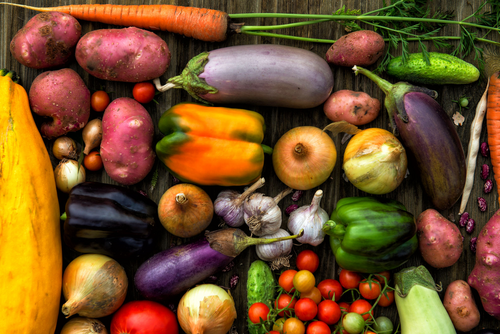
The mystery ingredients in these foods are lectins. They’re found in a lot of foods, primarily in legumes, plants in the nightshade family (e.g. eggplants, tomatoes, peppers and potatoes), wheat and dairy.
Lectins are carbohydrate-binding proteins that bind with sugar molecules. They play a role in cell-to-cell interactions, immune responses and other biological processes.1
The body doesn’t digest lectins; they’re resistant to digestive enzymes.
For many people, the body can handle these lectins, no problem.
For those who are sensitive to lectins, however, they can cause a variety of health issues. Reactions can include allergy-type symptoms, leaky gut, inflammation, joint pain and autoimmune disease. If you aren’t familiar with leaky gut syndrome, it involves perforations in the wall of the intestine that allow undigested or partially digest food fragments into the bloodstream. These can provoke terrible reactions.
You may have a lectin sensitivity if you’ve noticed adverse reactions like these when you eat foods like. . .
Autoimmune diseases occur when your immune system attacks your own body’s proteins because it sees them as foreign invaders (like bacteria) that need to be destroyed. This can cause widespread destruction of your own organs and cells.
When people with lectin sensitivity consume lectin-rich foods, it can trigger autoimmune diseases such as rheumatoid arthritis.2
In sensitive individuals, lectin can strip the esophagus, stomach and intestines of the protective mucus these organs need to absorb nutrients and stay healthy.
When this happens, abnormal bacteria can grow out of control, leading to problems with the balance of microbes in the gut, ulcers and even problems with the upper respiratory system.3
Not only are all these conditions medical problems in their own right, but the lectin-related inflammation, immune system malfunctions and unbalanced gut flora can wreak havoc on your brain.
There’s a confirmed connection between a healthy gut microbiome and a reduced risk for developing Alzheimer’s disease and dementia.
The connection between long-term inflammation and brain health is also well documented.
I don’t know if lectin-sensitivity is widespread. Lately it’s become kind of a fad to raise alarms about it. I tend to think it affects a small number of people. But if you’re one of them, there’s nothing small about it. It could explain mystery medical problems you’ve been trying to solve for years.
The only way to find out is to totally abstain from lectin-rich foods for several months, and see if your symptoms go away.
You may be able to avoid that extreme route. Below are a few other options.
However, NEVER eat sprouted red kidney beans. Sprouting red kidney beans increases the concentration of a particular lectin known as phytohemagglutinin. This can cause toxicity and “kidney bean poisoning.”4
Symptoms usually occur within three hours and include nausea, vomiting and diarrhea. It isn’t fatal; it usually passes within four or five very unpleasant hours.
Having said all this, if you suspect you’re lectin-sensitive, I think the best course is to completely eliminate these foods for two or three months, rather than beat around the bush with half-measures.