x




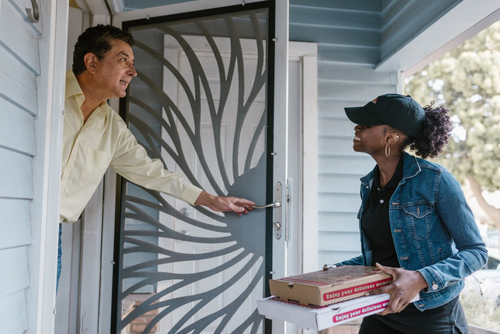
Technology development, increase of smartphone usage & internet access, increase in investment by venture capital funds in food delivery app start-ups, huge discount offers and changing consumer preferences helped food delivery apps grow multifold in the last few years. Numbers released by market leader companies in India like Zomato, Swiggy just validates how the online food delivery market has grown.
However, customers and restaurant partners started feeling unhappy with food delivery apps and many restaurant partners ditched these apps in the year 2019 and 2020. One of the customers of an online delivery app shared her real life experience with our consulting team about how she might have paid extra money, if ordered through mobile delivery app. After this learning she decided to think two times before placing order through online food delivery apps in the future.
Consulting team of KgGuruji Consulting & Service decided to do primary research and analysis of issues that restaurant partners and end customers expressed in recent time to find out how these issues may impact all stakeholders of food delivery market in future, if food delivery apps don't take corrective actions to make restaurant partners and customers happy through innovations.
Food order from Restaurant v/s Food order from delivery app (Real-life case study/example)
A Customer checked the menu card of a restaurant located 4 km away from her home in Pune, India on 8-Jun-2021. Sum of ordered items (Total Meal Cost) as per restaurant menu card price list was Rs. 450, adding 2.5% or CGST and 2.5% of SGST tax amount of Rs. 22.50, hence customer paid total Rs. 473 (rounded off value). There were two options to get delivery of food directly from the restaurant, go to the restaurant for delivery pick-up or ask restaurant delivery staff to deliver (delivery free for Rs. 250 or more order value). She picked up items from restaurant & enjoyed the meal.
Since, she paid fees for an annual membership of a food delivery app in the past and recently paid a membership fee for three months, she thought to cross check, if she would have ordered same items from same restaurant through a delivery app whether she would have received discount (as promised upto 30% extra off on food deliveries) or not. She was shocked to see the total order value of the same items to be delivered from the same restaurant, if she would have ordered through a mobile delivery app. The total amount displayed was Rs. 560 (Rs. 87 more than direct delivery from restaurant or pick-up). That's 18% more amount instead of a discount in Total meal cost of Rs. 473. She checked her previous order histories and compared with the restaurant price list and found that she actually paid Rs. 800 to Rs. 1200 more per month than actually she would have paid, if placed direct order in a restaurant or picked up by herself. She knew that for convenience of food delivered at door step, she was mentally ready to pay some extra charges, but not such huge money.
Actual bill and Screenshot of food delivery app for same items for comparison is included.
Reasons making customers unhappy about food delivery app:
Though food delivery apps are popular and achieved good growth rate, customers who's order frequency is higher per month are unhappy due to several reasons. Food delivery apps helped customers who at times felt lazy, wanted to eat restaurant food at home, didn't want to go out to eat in pandemic time and found those apps very useful. But the following points made customers worried and dis-appointed in recent times.
Reasons making restaurant partners unhappy about food delivery app
In the initial period of the Food delivery apps growth phase, restaurant owners were promised benefits through a so-called partnership like online exposure, new clients, and more online orders. Hence, restaurants were happy to register as mobile delivery apps partners. Restaurants received additional business/orders also, but at huge cost.
Road ahead:
While interacting with few other customers who order food online through food delivery platforms regularly, it was clear that people are not aware about hidden cost of ordering food through delivery apps, as they generally don't compare total meal cost ordered directly v/s ordered through delivery apps. In our team's interaction, end customers and restaurant owners both expressed "It's not right, food delivery apps take too much money, the fees/charges are ridiculous".
Our consulting team was wondering "why food delivery apps are cannibalizing the industry they are supposed to serve? Will food delivery platforms be able to sustain their fees, charges and thereby topline & bottom line growth?"