x




There are some countries where people live longer than we do here in the US. And you would think that it would result in differences in how you perform memory-wise as you get older.
Cancer rates differ greatly all over the world and it’s potentially for the same reason. Lifestyle does have an impact on cancer and on the kinds of cancer that you get. Your diet has a big impact on this.
And for a lot of people, a healthy diet is not even a choice.
If you live in a small rural town, or in many areas in the US, the only place you can buy food is at the gas station. And that’s what you buy.
You don’t have access to all of the fresh fruits and vegetables that we have. Even if you wanted it for your family, it could be that it’s either not available or it’s so expensive that you can’t afford it.
For these people, access to healthy food, exercise and a healthy lifestyle are going to make a difference in how their brain ages.
We don’t have a pill. And we don’t have any magic combination of factors that will ultimately prevent Alzheimer’s.
We know we can decrease the risk if we look at the whole population. But for a given individual there is no way to know.
I spent time with a family whose father had been a professor at a university for many years. And his wife said exactly that to me, “we did everything right and he still got Alzheimer’s.” They were struggling with understanding because they thought that they could prevent it.
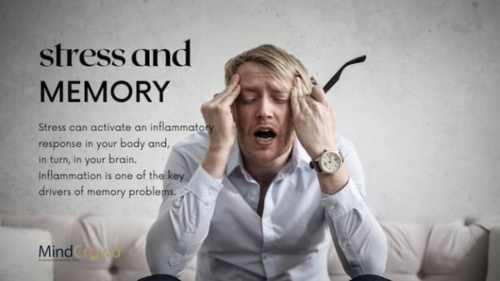
We don’t know what the secret sauce is, yet. On the flip side, we do know that things like obesity, heart disease, and stress are things that really increase the risk for a damaged brain. Not necessarily Alzheimer’s.
It’s scary for people when they have many family members who get Alzheimer’s disease. But it’s not what happens for most people. It’s much more likely that you’re going to die of something else than it is that you’re ever going to experience Alzheimer’s.