x




A 2017 National Sleep Foundation Sleep Health Survey found that 48% of Americans report using a computer, tablet, or smartphone within an hour of going to sleep. Checking social media, sending emails, or looking at the news before bed can keep us awake, as nighttime use of electronics can affect sleep through the stimulating-effects of light from digital screens.
While all light can interfere with our circadian rhythms, the 24-hour internal rhythms that control processes like the sleep-wake cycle, the blue light emitted from electronic screens has the greatest impact on sleep. Blue light stimulates parts of the brain that makes us feel alert, leaving us energized at bedtime when we should be winding down.
The impacts of blue light exposure may be worse for those who wake up to check their phone after falling asleep. Approximately 21% of adults say that they wake up to check their phone during the night, leaving them at an even higher risk of losing sleep and developing a sleep disorder like insomnia.
The pull of checking social media before bed may be too hard to resist. A poll of hospital employees and university students found that a staggering 70% of people report using social media after getting into bed, with almost 15% spending an hour or more doing so each night.
One reason for the excessive use of social media before bed is the fear of missing out, commonly referred to as FOMO. Social media presents us with an impossible dilemma- endless opportunities for interaction, yet only so much time in the day. FOMO is one response to this dilemma, characterized by a never-ending desire to stay connected to what others are doing and seeing.
People who experience more FoMO are more likely to check their social media within 15 minutes of trying to sleep, significantly contributing to sleep issues. Those with high levels of FoMO are also more likely to check their social media during other inappropriate times, such as during university lectures and while driving a car.
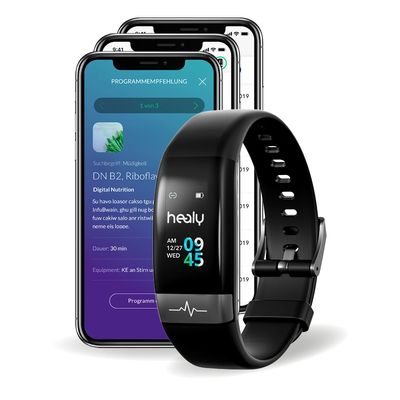
Discover Healy Watch - The Gift Of Sleep