x




A 2015 study led by Daphna Joel at Tel Aviv University examined the brains of more than 100 brain structures in over 1400 brain scans and found that it was impossible to divide these neatly into female-typical and male-typical brains. Each brain had a mosaic of different characteristics.
Our brain is the product of the life we have lived, the experiences we have had and our education, occupations, sports and hobbies. The way we perform tasks reflects not just our gender and genetic structure but also external inputs. e.g. the hippocampus of London taxi drivers with The Knowledge is larger and heavier that brains from trainee taxi drivers.
Brain-changing experiences may differ for men and women.
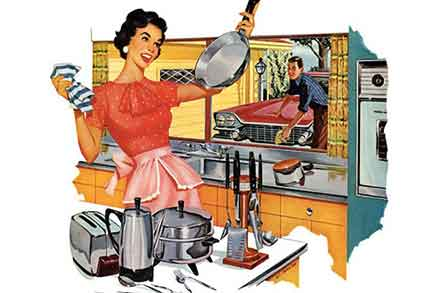
Society traditionally allocated life-roles to men and women which emphasised differing skills and opportunities.
Over the years, stereotypical concepts of ‘suitable’ toys, games, behaviour and activities for girls and boys determined choices in education and career pathways, shaping brain strengths and neural pathways.
Joan Clarke, whose mathematical prowess is celebrated in the movie, The Imitation Game, had an intellectual upbringing and university education. The astonishing Bletchley Park codebreakers, as they were growing up, were not subjected to the social conditioning that told them “mathematics is difficult for girls”.
In today’s world, research shows us that every person’s brain is unique. Digital literacy, for example, is gender neutral. It’s time to discard the out-dated concept of ‘a male brain is better at ….’ and ‘females are more suited to ……’.
It is not a female brain or a male brain.
It’s YOUR brain.
How well you use your brain and challenge it is up to you!