x




“Old age ain’t no place for sissies.” So said famed actress, Bette Davis. And it’s true. Growing old is not for sissies.
This common phrase is something to live up to especially among older adults who feel the ramifications of aging as their joints stiffen and ache, muscles weaken, and visits to the doctor become more frequent.
Although this phrase may refer to the determination and fortitude necessary to combat health obstacles, can we not also apply this mindset to physical health and strength?
For the older adult (those over 60 years of age) risks for injury are much higher as a trip or fall may not only mean a scraped knee, but has potential for a broken wrist or hip.
Determining how to handle the aging process can be conflicting. Is it better to play it safe as the body appears to slow down? Should older adults expect to throw in the towel as they age?
The resounding response to these questions is NO!
A multitude of studies show that exercise is integral to improve the quality of life by preventing diseases such as heart disease, diabetes, and dementia as well as improving bone health, sleep quality, and mood.
Although there is no ‘right’ way to exercise a study by Dr. Tomas Vetrovsky and a team of researchers from Charles University in Prague, Czech Republic shows that some older adults may be selling themselves short. The study looked at higher intensity/complex exercise and its benefits and safety considerations. The authors found that higher level exercises had huge benefits for older adults trying to maintain or improve quality of life.
Here are some examples:
Includes weight lifting or resistance bands which improve muscle and bone strength. This is especially important as people can lose around 5 pounds of muscle each decade after the age of 30. Resistance should be sufficient enough that muscles become fatigued after 8-12 repetitions.
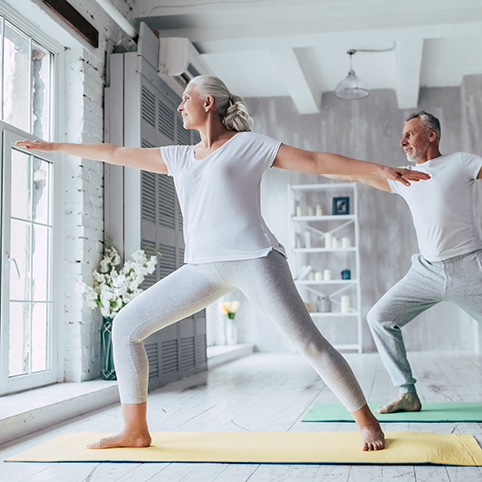
Examples are tai chi, yoga, and step training which focus on challenging static and dynamic balance. These exercises can help reduce falls risk and maintain balance skills that transfer to everyday activities as well as many recreational sports such as hiking, bowling, golf, or tennis.
This category includes jumping, running/walking. Although exercise that involves jumping may seem like high risk for older adults, results indicate that proper use will improve bone density and therefore reduce risk of osteoporosis and fracture. In fact impact exercise even benefits joint health if performed with the correct technique.
These types of exercises can improve balance by improving reaction rate, muscle power, and force production that are integral in situations when balance needs to be corrected quickly as during stumbling/ tripping.
Examples include jumping rope, box jumps, hopping/bounding. Typically not part of a program for older adults due to the risk for injury, Vetrovsky and his team found that safe implementation offered many of the same benefits of traditional exercise including improved bone health, muscle strength, and balance/fall safety with minimal risk of injury. When initiating plyometrics, it is advised to start with small exposures and build in intensity and frequency to minimize negative effects.
Before initiation of any exercise program, it is highly recommended to consult your physician as well as recruit the help and supervision of a knowledgeable health and/or fitness professional.
Combining the above mentioned exercises into a well-rounded program will enhance your overall physical performance and reduce your risk for aging complacency, keeping bones, joints, and muscles at optimal performance.
Don’t be a “sissy” like the phrase insists, embrace exercise and face growing older head on.
.png)