x




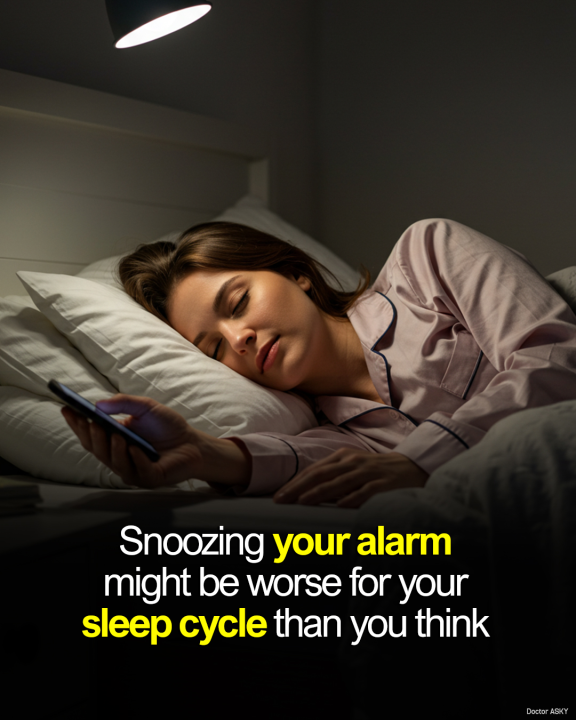
Hitting the snooze button might feel like a small indulgence in the morning, but it could be doing more harm than good. While it might seem like a way to wake up gradually, repeatedly hitting snooze can actually make it harder to get up and leave you feeling more groggy. In fact, snoozing your alarm is essentially "artificially sleep-depriving yourself," as it interrupts your natural sleep cycle and leads to fragmented rest.
A recent poll revealed that many people, about 64%, are guilty of hitting snooze at least occasionally. Though it feels harmless, snoozing can disrupt your body's internal clock, creating a cycle of waking up and falling back to sleep. This pattern leads to a phenomenon called "sleep inertia" — that feeling of grogginess and disorientation when you first wake up. It’s something almost everyone experiences, but hitting snooze only drags it out longer. Research has shown that snoozing leads to multiple forced awakenings, which only prolongs sleep inertia instead of easing it.
The issue with snoozing is that it typically wakes you up from deeper stages of sleep, making sleep inertia worse. Rather than easing the transition into wakefulness, the repeated interruptions confuse your sleep cycles, leaving you feeling more tired. Studies suggest that sleep inertia tends to last 30 to 60 minutes regardless of which sleep stage you wake up from, so those extra minutes spent snoozing aren't really helping.
What's more, snoozing takes away valuable deep sleep, like REM, which is crucial for brain function and memory consolidation. Instead of getting those restorative benefits, you’re swapping deep sleep for lighter, less restorative rest.
If you're struggling to get up in the morning, consider setting just one alarm and getting up right away. This method prevents the snooze cycle and helps you start your day feeling more alert. You can also try natural wake-up cues like letting daylight into your room or moving around to get your blood flowing. A simple trick like stepping onto a cold floor can help stimulate your body and break free from that groggy feeling.
So, rather than relying on the snooze button, aim to get up when the alarm rings and give your body the full rest it deserves. Take Your Health Seriously at www.bovinebob.com