x




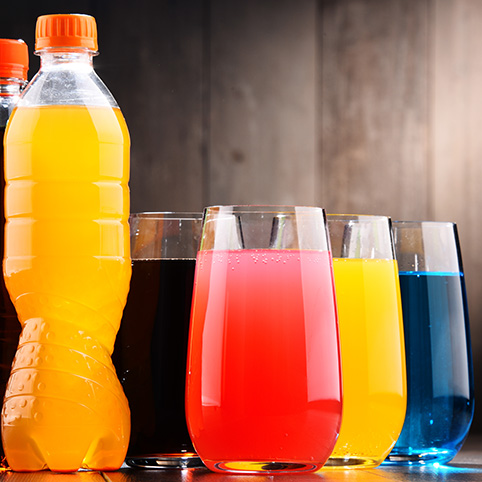
If you have been diagnosed with or being close to having type 2 diabetes, you may wonder if sugary drinks are now on a forbidden list.
Maybe so, according to a new study.
People who increase their consumption of sugary beverages—whether they contain added or naturally occurring sugar—may face moderately higher risk of type 2 diabetes, according to a new study from Harvard T.H. Chan School of Public Health. Drinking more sugar-sweetened beverages (SSBs), like soft drinks, as well as 100% fruit juices, was associated with higher type 2 diabetes risk.
The study, which was published in the journal, Diabetes Care, also found that drinking more artificially sweetened beverages (ASBs) in place of sugary beverages did not appear to lessen diabetes risk. However, diabetes risk decreased when one daily serving of any type of sugary beverage was replaced with water, coffee, or tea. It is the first study to look at whether long-term changes in SSB and ASB consumption are linked with type 2 diabetes risk.
“The study provides further evidence demonstrating the health benefits associated with decreasing sugary beverage consumption and replacing these drinks with healthier alternatives like water, coffee, or tea,” said lead author Jean-Philippe Drouin-Chartier, postdoctoral fellow in the Department of Nutrition.
The study looked at 22–26 years’ worth of data from more than 192,000 men and women participating in three long-term studies—the Nurses’ Health Study, the Nurses’ Health Study II, and the Health Professionals’ Follow-up Study. Researchers calculated changes in participants’ sugary beverage consumption over time from their responses to food frequency questionnaires administered every four years.
After adjusting for variables such as body mass index, other dietary changes, and lifestyle habits, the researchers found that increasing total sugary beverage intake—including both SSBs and 100% fruit juice—by more than 4 ounces per day over a four-year period was associated with 16% higher diabetes risk in the following four years.
Increasing consumption of ASBs by more than 4 ounces per day over four years was linked with 18% higher diabetes risk, but the authors said the findings regarding ASBs should be interpreted with caution due to the possibility of reverse causation (individuals already at high risk for diabetes may switch from sugary beverages to diet drinks) and surveillance bias (high-risk individuals are more likely to be screened for diabetes and thus diagnosed more rapidly).
The study also found that replacing one daily serving of a sugary beverage with water, coffee, or tea—but not with an ASB—was linked with a 2–10% lower risk of diabetes.
“The study results are in line with current recommendations to replace sugary beverages with noncaloric beverages free of artificial sweeteners. Although fruit juices contain some nutrients, their consumption should be moderated,” said Frank Hu, Fredrick J. Stare professor of nutrition and epidemiology and senior author of the study.
.png)