x




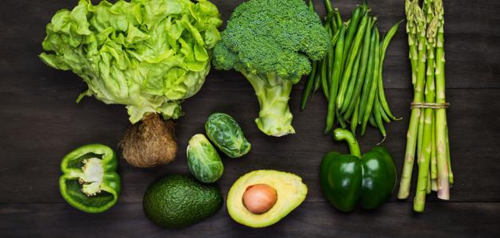
Eating green isn’t just about adding kale and broccoli to your diet. It’s an entire lifestyle change committed to eating foods that are both healthy for you and the environment. Following a plant-based diet can lower your cholesterol and your weight, improve your heart health and invigorate you.
Here are 5 simple ways you can incorporate more plant-based foods into your diet.
Organic agriculture strives toward being indefinitely sustainable. So, when you eat organic, you’re putting healthy food in your body. But, you’re also keeping the ecosystem where the organic food is grown healthy as well. Organic vegetables, fruits, grains, juice, dairy and eggs are grown and processed in ways that support healthy people and a healthy planet.
Every year, the Environmental Working Group publishes a list of the “Dirty Dozen,” which are fruits and vegetables they recommend you buy organic because they have the highest levels of pesticides. This is the current Dirty Dozen list:
They also publish the “Clean Fifteen,” which are fruits and vegetables that retain the least amount of pesticides. These are deemed safer to buy non-organic:
Eating local, seasonal food not only supports local farms, it also saves the energy that would be used to refrigerate and transport food. Since most food travels 1,500 miles on average to reach your table, locally sourced food cuts back on emissions, fuel consumption and unnecessary traffic. Local food also generally uses less packaging, is fresher and tastier, and comes in more varieties. The best way to track down local food is at farmers markets or through community-supported agriculture (CSA), which often offer home delivery.
Humans can eat both high and low on the food chain and be adequately nourished. Meat is the most resource-intensive food on the table so eating less of it can be the greenest change a person can make. Producing meat requires large amounts of water, grain, land, and sometimes hormones and antibiotics, and leads to pollution of the soil, air, and water.
Whole foods are nutritionally intact, but refined foods have much of their nutritional value and fiber removed. The average American eats 150 pounds of additives a year, much of which is sugar and salt. By eating fruits and vegetables, which are lower on the food chain, you can opt out of many of these additives and feel better because of it.
Instead of buying foods that come in extensive packaging (most of which is petroleum-based plastics) look for unpackaged or minimally packaged foods. Try bringing your own containers and buying in bulk, and try and recycle or reuse any packaging you end up with.
Put some extra planning into the amount of food you cook, and you’ll cut back on waste.
Start by adding more fruits and vegetables to your meals, not by removing all the foods you love. You will begin to feel healthier and more energized, and that will lead you to want to buy even more healthy foods. Then, when you’re ready, start looking for organic and local options for your “dailies” such as milk, bread and eggs.
.png)