x





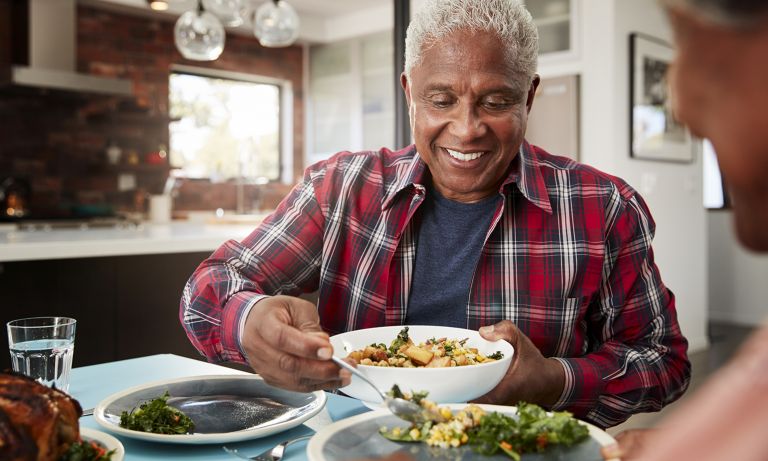
Healthy eating is important at any age, but becomes even more so as we reach midlife and beyond. As you age, eating a healthy diet can help to improve mental acuteness, boost your energy levels, and increase your resistance to illness. Eating well can also be the key to a positive outlook and staying emotionally balanced. But healthy eating doesn’t have to be about dieting and sacrifice. Rather, it should be all about enjoying fresh, tasty food, wholesome ingredients, and eating in the company of friends and family.
No matter your age or your previous eating habits, it’s never too late to change your diet and improve the way you think and feel. Improving your diet now can help you:
Live longer and stronger. Good nutrition can boost immunity, fight illness-causing toxins, keep weight in check, and reduce the risk of heart disease, stroke, high blood pressure, type-2 diabetes, bone loss, and cancer. Along with physical activity, a balanced diet can also contribute to enhanced independence as you age.
Sharpen your mind. People who eat fruit, leafy veggies, and fish and nuts packed with omega-3 fatty acids may be able to improve focus and decrease their risk of Alzheimer’s disease. Antioxidant-rich green tea may also enhance memory and mental alertness as you age.
Feel better. Wholesome meals can give you more energy and help you look better, resulting in a boost to your mood and self-esteem. It’s all connected—when your body feels good, you feel happier inside and out.
Eating well as you age is about more than just the quality and variety of your food. It’s also about the pleasure of eating, which increases when a meal is shared. Eating with others can be as important as adding vitamins to your diet. A social atmosphere stimulates your mind, makes meals more enjoyable, and can help you stick to your healthy eating plan.
Even if you live alone, you can make healthy meals more pleasurable by:
Shopping with others. Shopping with a friend can give you a chance to catch up without falling behind on your chores. It’s also a great way to share new meal ideas and save money on discount deals like “buy one, get the second half price”.
Cooking with others. Invite a friend to share cooking responsibilities—one prepares the entrée, the other dessert, for example. Cooking with others can be a fun way to deepen your relationships, and splitting costs can make it cheaper for both of you.
Making mealtimes a social experience. The simple act of talking to a friend or loved over the dinner table can play a big role in relieving stress and boosting mood. Gather the family together regularly and stay up to date on everyone’s lives. Invite a friend, coworker, or neighbor over. Visiting an adult day care center or enrolling in a senior meal program can also provide both companionship and nutritious meals for older adults.
The key to healthy eating is to focus on the whole, minimally processed food that your body needs as you age—food that is as close to its natural form as possible. Our bodies respond differently to different foods, depending on genetics and other health factors, so finding the healthy diet that works best for you may take some experimentation. These tips are a good place to start:
Eat plenty of fruit and vegetables. Break the apple and banana rut and go for color-rich pickings like berries or melons. Aim for 2-3 servings a day. When it comes to veggies, choose antioxidant-rich dark, leafy greens, such as kale, spinach, and broccoli as well as colorful vegetables such as carrots and squash. Make veggies more appetizing by drizzling them with olive oil, sprinkling with goat cheese, or frying with garlic or chili flakes. Try for 2-3 cups every day.
Choose calcium for bone health. Maintaining bone health as you age depends on adequate calcium intake to prevent osteoporosis and bone fractures. Good sources include milk, yogurt, cheese or non-dairy sources such as tofu, broccoli, almonds, and kale.
Go “good fat” not “no fat”. Rather than trying to cut out fat from your diet, focus on enjoying healthy fats—such as omega-3s—that can protect your body against disease and support your mood and brain function
Vary your sources of protein. As you age, eating enough high-quality protein can improve your mood, boost your resistance to stress, anxiety, and depression, and even help you think more clearly. However, eating too much protein from processed meat products such as hot dogs, bacon, and salami may increase your risk of heart disease, cancer, and other health problems. Vary your sources of protein instead of relying on just red meat by including more fish, beans, peas, eggs, nuts, and seeds in your diet.
Eat more fiber. Dietary fiber can do so much more than keep you regular. It can lower your risk for heart disease, stroke, and diabetes, improve the health of your skin, and help you to lose weight. As you age, your digestion becomes less efficient, so it’s important to include enough fiber in your diet. Women over 50 should aim to eat at least 21 grams of fiber per day, men over 50 at least 30 grams a day. Unfortunately, most of us aren’t getting even half those amounts.
Be smart about carbs. Choose whole grains over processed white flour for more nutrients and fiber and cut down on sugar and refined carbs. While our senses of taste and smell diminish with age, we retain the ability to distinguish sweet tastes the longest, leading many older people to consume more sugar and refined carbs than is healthy. Unlike complex carbs that are rich in fiber, refined or simple carbs (such as white rice, white flour, refined sugar) can lead to a dramatic spike in blood sugar, followed by a rapid crash which leaves you feeling hungry and prone to overeating.
Water. As you get older, you may be more prone to dehydration because your sense of thirst is not as sharp. Remember to sip water regularly to avoid urinary tract infections, constipation, and even confusion.
Vitamin B. After the age of 50, your stomach produces less gastric acid making it harder to absorb vitamin B-12—needed to help keep blood and nerves healthy. Get the recommended daily intake (2.4 mcg) of B12 from fortified foods or a vitamin supplement.
Vitamin D. With age, your skin is less efficient at synthesizing vitamin D, so consult your doctor about supplementing your diet with fortified foods or a multivitamin, especially if you’re obese or have limited sun exposure.
.png)