x




The word energy originates from the Greek word energeia, which stands for “activity” or “operation”. Energy is required for your body to fulfill its various functions, including respiration, building and repair, digestion, movement, cognition, and more. Learn about energy production, low energy or fatigue, and lifestyle interventions to support optimal energy levels.
Energy in the human body is derived from the three macronutrients present in food, namely carbohydrates, proteins, and lipids. During the digestive process, these complex molecules are broken down into smaller molecules for absorption. The body uses enzymes to break down proteins into amino acids, polysaccharides (complex sugars) into simple sugars, and lipids (fats) into fatty acids and glycerol

Our cells use glucose, a simple sugar, to produce energy via a process known as aerobic cellular respiration. Energy production relies on mitochondria, referred to as the body’s “powerhouses”, which are organelles found within the body’s cells. Mitochondria are involved in intracellular signaling and the metabolism of amino acids, carbohydrates, lipids, and steroids.
Cellular respiration begins when glucose enters the cytosol of the cell and involves a series of reactions, including:
The ATP produced in the mitochondria allows for the redistribution of energy used throughout the cell, supporting its specific functions. The complex set of reactions outlined above requires the input of various nutrients used as cofactors in the reactions, including:
In the United States, approximately one in five individuals seeking care from their family physician report symptoms of fatigue. Fatigue is characterized by overwhelming feelings of tiredness that are not resolved by restful sleep Research suggests that a cause cannot be identified in approximately one third of cases of fatigue.
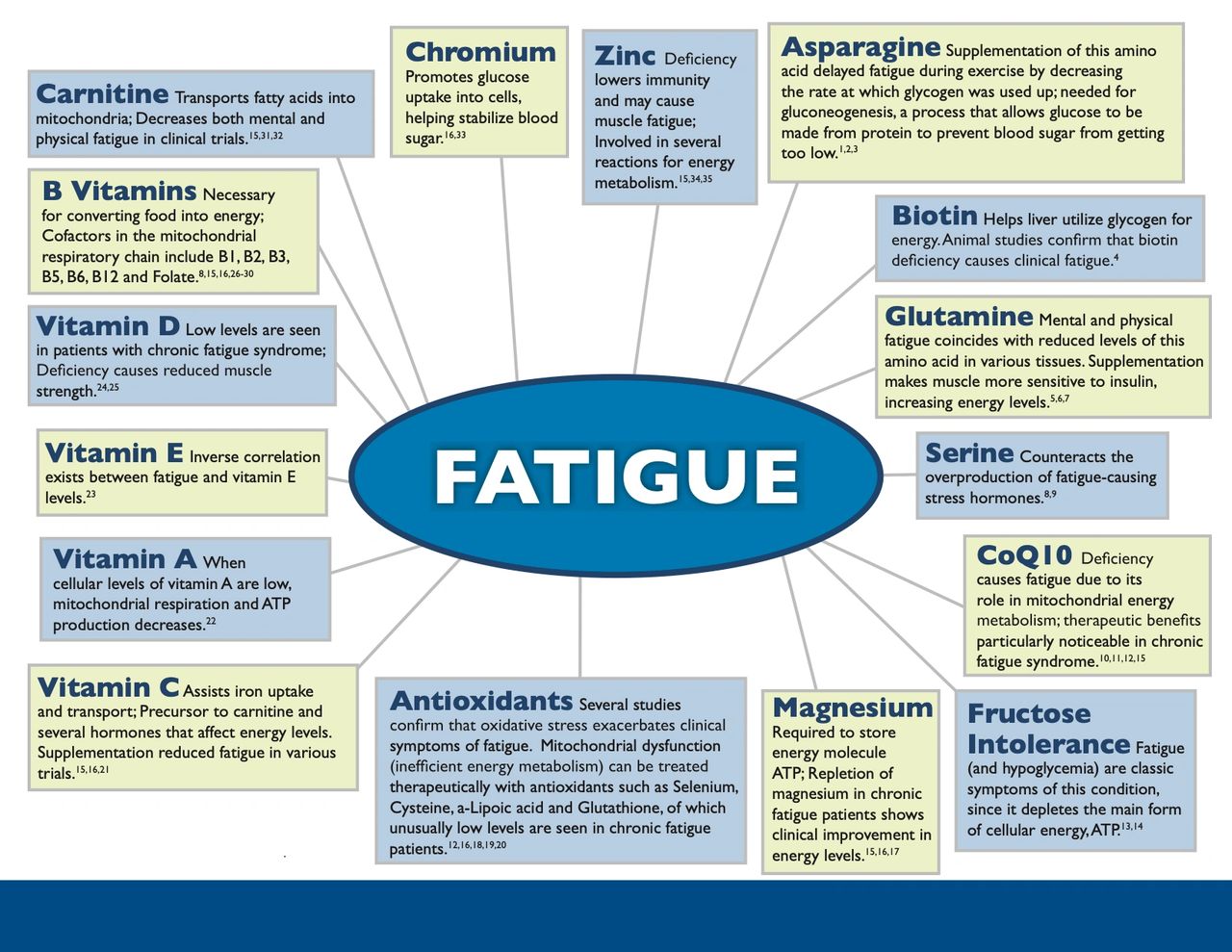
Several causes of low energy levels have been suggested, many of which are correlated to mitochondrial dysfunction. Certain lifestyle factors may impair the integrity and function of your mitochondria, such as antibiotics and other medications, chronic stress, environmental toxins, hyperglycemia (elevated blood sugar), and sleep disturbances
Mitochondrial dysfunction may be characterized in several ways, including:
When mitochondrial damage or dysfunction occurs, the result is a decreased production of ATP and an increased production of reactive oxygen species (ROS). An overabundance of ROS increases oxidative stress in the body, which is associated with certain conditions including fatigue, aging, atherosclerosis, cancer, diabetes, and neurodegeneration.
Additionally, chronic inflammation may contribute to or aggravate fatigue. Researchers have identified higher levels of pro-inflammatory compounds in individuals with fatigue, including C-reactive protein (CRP), tumor necrosis factor alpha (TNF-α), and interleukin-6 (IL-6).
Energy support may involve reducing inflammation and improving antioxidant status in the body. (9) Lifestyle modifications include incorporating healthy foods that give you energy, dietary supplements, regular physical activity, and minimizing exposure to environmental toxins.

Several dietary patterns may benefit individuals with fatigue, including the anti-inflammatory diet, the Mediterranean diet and the leaky gut diet. One study in breast cancer survivors found that non-fatigued survivors consumed diets higher in antioxidant and anti-inflammatory properties than fatigued survivors. This led to the development of the fatigue reduction diet (FRD), an eating pattern high in fish, whole grains, and fruits and vegetables, particularly leafy green vegetables and tomatoes
A subsequent controlled trial examined the effects of following the FRD over three months, which was associated with decreased blood levels of saturated fatty acids, as well as increased levels of carotenoids and omega-3s in the diet group. Improvements in fatigue and sleep quality were also seen in the FRD group.
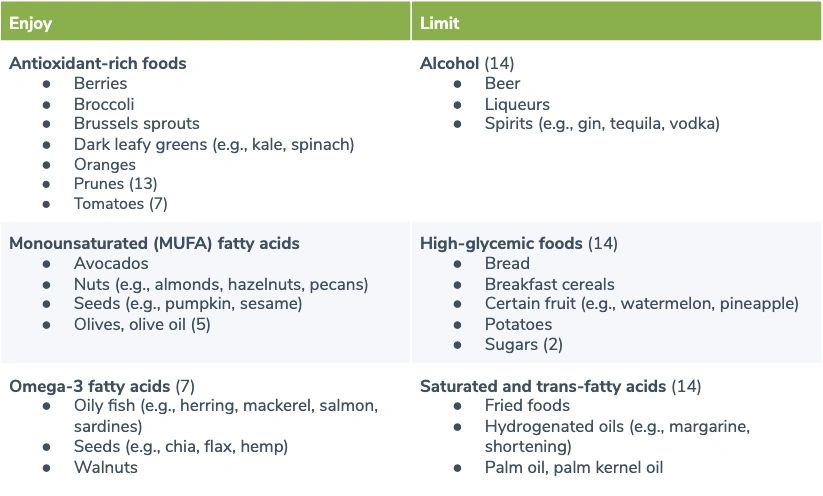
The following table summarizes foods to enjoy and limit to help improve your energy levels.
Dietary supplements may support mitochondrial function and energy production in various ways. For example, certain supplements may provide nutrients used for oxidative phosphorylation, reduce oxidative stress, encourage the generation of new mitochondria, and repair damaged cell membranes that may be interrupting the transfer of electrons
Several dietary supplements may be beneficial due to their roles in energy production, including:

Exercise has been shown to induce mitochondria biogenesis, the process by which new mitochondria are produced. A research panel appointed by the Mitochondrial Medicine Society recommends engaging in endurance exercise, which can increase the activity of mitochondrial enzymes in muscles.Examples of endurance exercises include climbing stairs, biking, dancing, jogging, swimming, and walking.
For individuals with mitochondrial disease, a combination of progressive resistance exercise may be beneficial. Resistance exercises may include weight lifting, resistance band training, and body weight exercises (e.g., pushups, squats).
Many environmental factors have been established as mitochondrial toxins. These toxins induce mitochondrial oxidative stress, which may be associated with an increased risk of neurodegenerative conditions, including Alzheimer’s disease and Parkinson’s disease. Environmental toxins associated with mitochondrial dysfunction include pesticides (e.g., Maneb, Paraquat, Rotenone) and heavy metals (e.g., aluminum, lead, manganese, methylmercury)
Minimize your exposure to pesticides by choosing organic foods as much as possible, carefully washing produce, and avoiding the use of pesticides in the garden. Installing a water filter can help remove heavy metals commonly found in tap water. The Natural Resources Defense Council has developed a guide outlining seafood types with low, moderate, and high mercury levels that can be used to minimize consumption of mercury from seafood. (11) Use the Environmental Working Group’s Cosmetics Database and Guide to Healthy Cleaning to identify personal care and household products that are safe for your health and the environment.
Energy production is a multi-step process that occurs primarily in the mitochondria found in cells. Improving your energy levels may involve multiple factors, such as dietary modifications, dietary supplements, regular exercise, and reduced exposure to environmental toxin
3Min Story That Will Change Your Life: www.bsuccessful.com
.png)