x




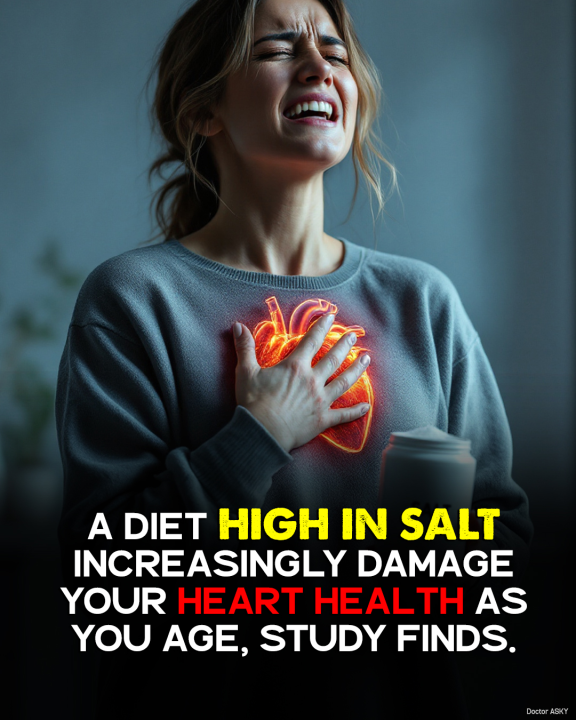
As you get older, consuming too much sodium becomes much more dangerous, especially after 60. The main reason? Aging kidneys aren’t as efficient at filtering out excess salt. Research from Harvard Medical School shows that a high-sodium diet can force your cardiovascular system to hold on to up to two liters of extra fluid. This increases the blood volume and pressure, which can stretch your arteries and heart chambers over time, potentially causing permanent damage to these delicate structures.
When too much sodium is in your system, it disrupts the delicate balance of fluids in your body. As your body retains more fluid, it puts extra strain on your heart and blood vessels. The heart has to work harder to pump blood, which can lead to high blood pressure, or hypertension. This constant pressure can weaken the walls of arteries, leading to them becoming stiff and less flexible, a condition called arteriosclerosis. Over time, this can make it harder for blood to flow properly, increasing the risk of heart attacks, strokes, and heart failure.
Sodium also increases the risk of developing heart disease by causing your body to retain more calcium in the blood vessels. This builds up over time, leading to plaque formation and further narrowing of arteries. The American Heart Association points out that as we age, our sensitivity to sodium increases, meaning even small amounts can cause big fluctuations in blood pressure.
If you want to reduce sodium intake and protect your heart, try these tips:
Swap out salt for herbs, spices, citrus zest, and vinegars to add flavor without the sodium.
Read nutrition labels closely, aiming for products with less than 140mg of sodium per serving.
Rinse canned vegetables and beans—this can cut the sodium content by up to 40% while still keeping the nutrients.
Making these small changes can help you maintain a healthier heart and blood pressure as you age. Start Taking Care Of Your Health Today at
www,bovinebob.com