x







Don’t let heartburn and indigestion corrode your workout. Avoid painful flare-ups. Follow these preventative tips …
Exercise often helps alleviate stomach pressure from bloating and gas. When constipation is an issue, the movement of exercise helps ease waste from the body. One study showed constipation significantly improved from moderate exercise for 30 minutes a day, compared with a sedentary group. Combined with proper diet, exercise can be a remedy for gastrointestinal conditions like irritable bowel syndrome (IBS) and Crohn’s disease (low-intensity exercise). It can soothe anxiety that troubles a nervous stomach.
Gastroesophageal reflux disease (GERD) is a condition where acid refluxes from the stomach up the esophagus. Exercise can reduce the likelihood of developing GERD, by helping maintain a healthy weight. Unfortunately though, symptoms sometimes interfere with one’s ability to exercise. Athletes, especially, are at risk for GERD flare-ups due to the intensity of their workouts. No need to forfeit the game! If it doesn’t stop famous Olympians who suffer from GERD, it should not stop you.
The Cause

GERD is not the result of a disagreeable meal.
This backwash of acid causes burning pain (heartburn), nausea, sour taste, and sometimes vomiting. Heartburn and indigestion are common offenders everyone experiences on occasion. (No need to remind you of that spicy taco fest or large milkshake at bedtime.) However, if these symptoms occur at least twice weekly and interfere with regular functioning, physicians usually diagnose them as GERD. Unlike the lining in the stomach, the esophagus is not protected. Left untreated, this acid can cause permanent damage to the lining of the esophagus.
Symptoms
The most common symptom is frequent heartburn. Other signs include:
Whenever chest pain is involved, take precautions. If accompanied by jaw or arm pain, or shortness of breath, seek immediate medical attention. This can indicate a heart attack.
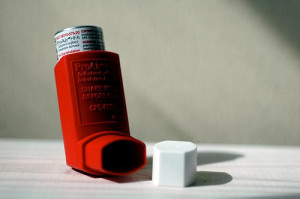
Acid reflux and asthma may be linked.
Asthma and GERD are often partners in crime. They may occur together, one exacerbating the other. Identifying triggers for both can be tricky in this instance. Treating one may help the other. However, certain asthma medications can worsen acid reflux.
An allergist may wish to try an over-the-counter acid reducer to discover any affect it may have on asthma control. A food journal can be helpful for tracking symptoms related to both. Acidic foods can trigger GERD symptoms. Food allergies or sensitivities can trigger asthmatic reactions.
Why Athletes Are a Target
Stress on the abdomen, common during exercise, may cause those athletes predisposed to GERD by a leaky esophageal sphincter (a muscle that keeps stomach acid out of the esophagus) to incur reflux during intense physical activity. Exercise also reduces blood flow to the digestive tract, which causes the stomach to produce more acid in efforts to break down any food consumed.
An overachieving athlete may be prone to strains and injuries from excessive efforts. Increased bodily stress and anti-inflammatory usage can exacerbate GERD symptoms. Excessive reliance on sugary sports drinks also may be a trigger commonly associated with the highly trained exerciser. Water down these beverages when possible.
Although the exact association is unknown, research indicates heartburn symptoms may occur in about half of all athletes. There is a direct connection between the intensity and timing of exercise and the onset of symptoms. The journal Medicine and Science in Sports and Exercise reported weightlifters had higher measurements of acid reflux during an 80-minute exercise period than long-distance runners and cyclists.
GERD-friendly Workouts
Certain exercises should be avoided when acid reflux is troublesome. Common sense can guide you on the basics. Save high-impact workouts for when your stomach is more stable. Instead, perform a low-impact workout to minimize symptoms. Avoid movement that could upset the gastrointestinal tract. Obviously, it is not the ideal time for a Boxing Boot Camp.

Opt for upright workouts.
Opt for cycling in the upright position. Modify your posture during Cycling class, if necessary. Cycling indoors is preferred to avoid the jostling bumps of unsmooth terrain. Use the elliptical machines, and incorporate weight equipment for strength training instead of free weights.
Certain movements done in yoga and Pilates can exacerbate acid reflux, especially those that require bending at the waist. However, you don’t have to abandon your practice on bad belly days. Some recommended poses include chair, mountain, crane, and warrior. Pilates has been known to eliminate certain types of stomach pains and indigestion.