x




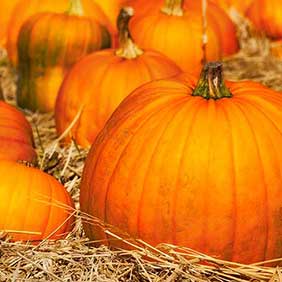
Linus may have been right, after all, Charlie Brown.
The pumpkin is great and we now know it deserves its position on the list of superfoods. While Linus may not have connected with the Great Pumpkin in the 1966 Charles Schultz animated TV special based on Peanuts, you can and with the benefit of the nutritional wallop this fall favorite offers.
Once just considered a symbol of fall, Halloween jack-o-lanterns, Thanksgiving, pumpkin pie and Peanuts, the nutrient-packed squash is being added in a variety of ways to the diets of those in the know.
The bright orange color of pumpkin heralds its abundance of the antioxidant, beta-carotene. Derived from the Latin name for carrot, beta-carotene converts to Vitamin A in the body–good stuff for heart, lungs, kidney function, better vision and a healthy immune system. Beta-carotene, so rich in pumpkin, may help in anti-aging by fighting off cancer and heart disease.
In addition to Vitamin A, one cup of plain cooked, boiled pumpkin has a mere 49 calories, is low in fat, a good source of dietary fiber, vitamin C and Iron.
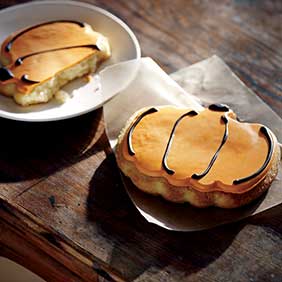
Pumpkin flavors are trendy. According to Nielsen data, the pumpkin flavor craze continues to grow and has become an integral part of our fall diets.
Last year, 37% of U.S. consumers purchased a pumpkin-flavored product. And this means big dollars: Pumpkin products accounted for $361 million in sales in the last year alone, having grown 79% since 2011.
Pumpkin pie filling still dominates the market, with $135 million of sales in the last year. However, several other products also contribute to the significant sales, Nielsen reports.
Pumpkin is moving beyond the baked goods category and infiltrating other categories from pumpkin-flavored dog food and oral hygiene to gum products. Nielsen data shows with sales of $12,878,380, $1,038,879 and $970,460, respectively, pumpkin-flavored goods show no sign of slowing down.
And, then there’s pumpkin flavored coffees and ales.
Who knew?
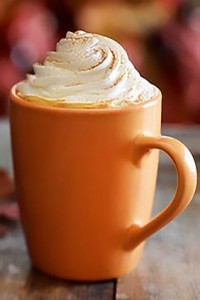
Pumpkin lovers rejoice in the fall when Starbucks brings their Pumpkin Spice Latte back to the menu. Starbucks describes the recipe as their “signature espresso and milk, highlighted by flavor notes of pumpkin, cinnamon, nutmeg and clove.” Starbucks recommends enjoying it topped with whipped cream and pumpkin pie spices.
The flavored coffee is so popular that estimates are that Starbucks will make around $100 million in revenues from pumpkin spice lattes this fall.
Starbuck’s Pumpkin Spice Latte is so popular that it even has its own Twitter account with over 120,000 followers.
Yummy, fun and logs in at a mere 380 calories for 16 oz.
Pumpkin beers sound new but they harken back to the colonial days. The colonists used pumpkin and squash as their fermenting medium 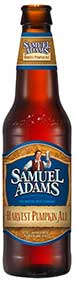
because malted barley was scarce. Once the malt became more plentiful, pumpkin was replaced only to have a comeback in the 1990’s.
Samuel Adams Harvest Pumpkin Ale is brewed with real pumpkin and a blend of caramel and roasted malts to create a rich depth of malt flavor.
At 5.7% ABV, this dark, reddish-amber ale a full body ale with sweetness complemented by a distinct roasted character. The addition of classic pumpkin pie spices like cinnamon, ginger, allspice and nutmeg provides a subtle warmth to this malty brew.
You might wonder what to eat with such an ale. Pair with desserts like apple pie, carrot cake, or pecan pie where the spicy flavors balance out the sweetness of the dessert. The ale also complements savory fall favorites like lamb stew, squash ravioli or mushroom pasta.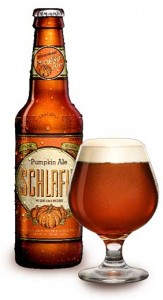
Schafly, the St. Louis locally-owned independent brewery, produces Pumpkin Ale that blends the spices of the harvest with full-bodied sweetness for a beer that tastes like pumpkin pie. Pounds of pumpkin form a malty foundation that supports the fall flavors of cinnamon, nutmeg and clove. At 8.0% ABV, Schlafly’s Pumpkin Ale is copper colored and made with a variety of grains such as pale, crystal, Munich and wheat.
Pumpkin is so versatile and delicious that cookbook authors have made it the main theme. There’s 20 Easy Pumpkin Recipes…by Hannie Scott, Easy Pumpkin Cookbook by Chef Maggie Chow, The Pumpkin Cookbook by Julie Hatfield and Pumpkin Love by Rachel Maser.
And, of course, the packers of pumpkin, like Farmer’s Market Foods with their Organic Pumpkin and Libby’s®, which cans more than 85 percent of the world’s pumpkin annually, have their recipe suggestions too.
.png)