x






"You are what you eat." You've heard it a thousand times, but have you thought about what it really means?
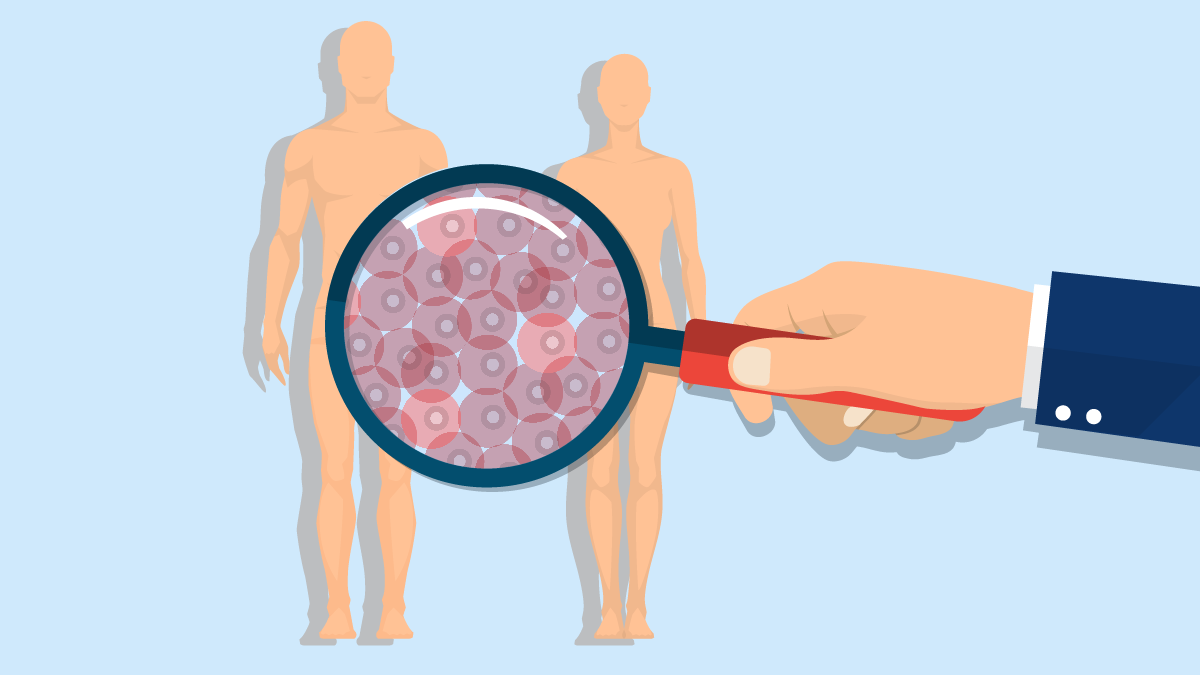
"You are what you eat." This is true in the most literal way you can imagine. Because when you think about it, your body is nothing but a collection of individual cells that go together to make up one very large object. So your body is made up of what goes into it.
But your body, along with the millions of cells that it's made up of, requires energy. And that energy has always come from the nutrients in food. Without nutrients, your cells won't get the energy to power your body.
There's just one problem though... food just isn't what it used to be.
The combination of these three issues means that there is a gap in our nutrient intake.
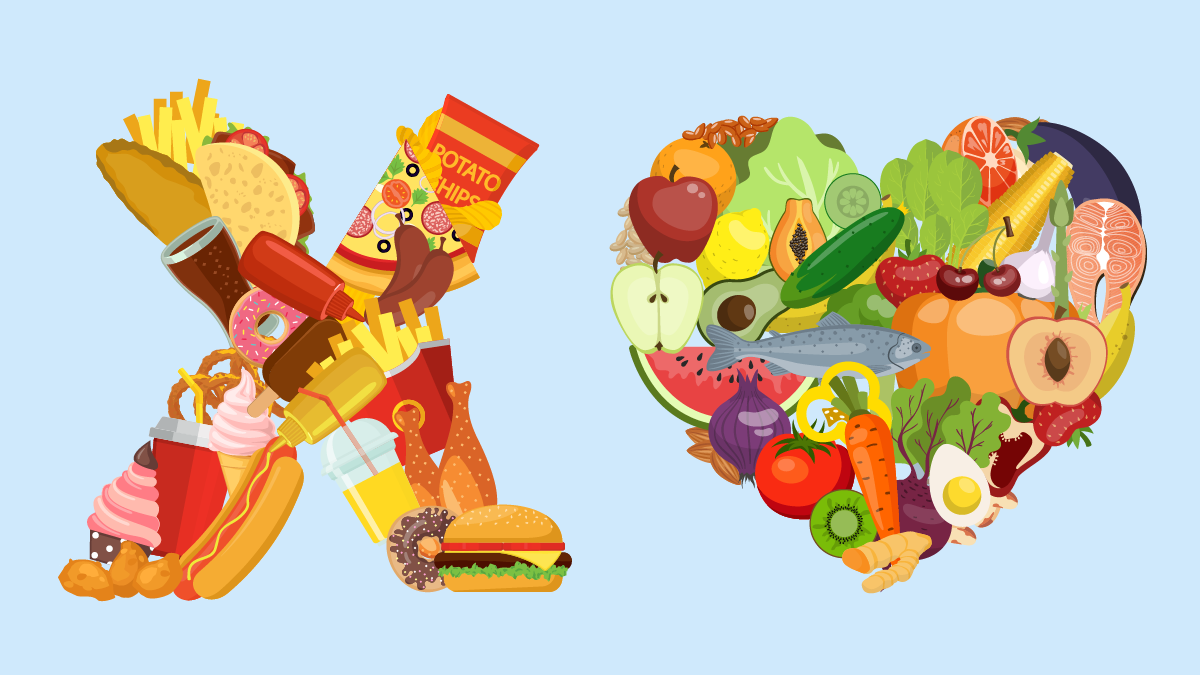
Your nutrient intake is made even worse when your modern diet is often full of processed, inflammatory foods. Let's face it, they're called "convenience foods" because they're convenient in the rush of your everyday modern life. But just because they're convenient (and taste good), doesn't mean they're good for you.
Fresh and whole foods don't necessarily have the levels of nutrients in them to support optimal health either, which is the level of health you should be interested in nurturing.
Let's go back before foods are even harvested, and take a closer look at the beginning: how foods are grown.
There are two main issues:
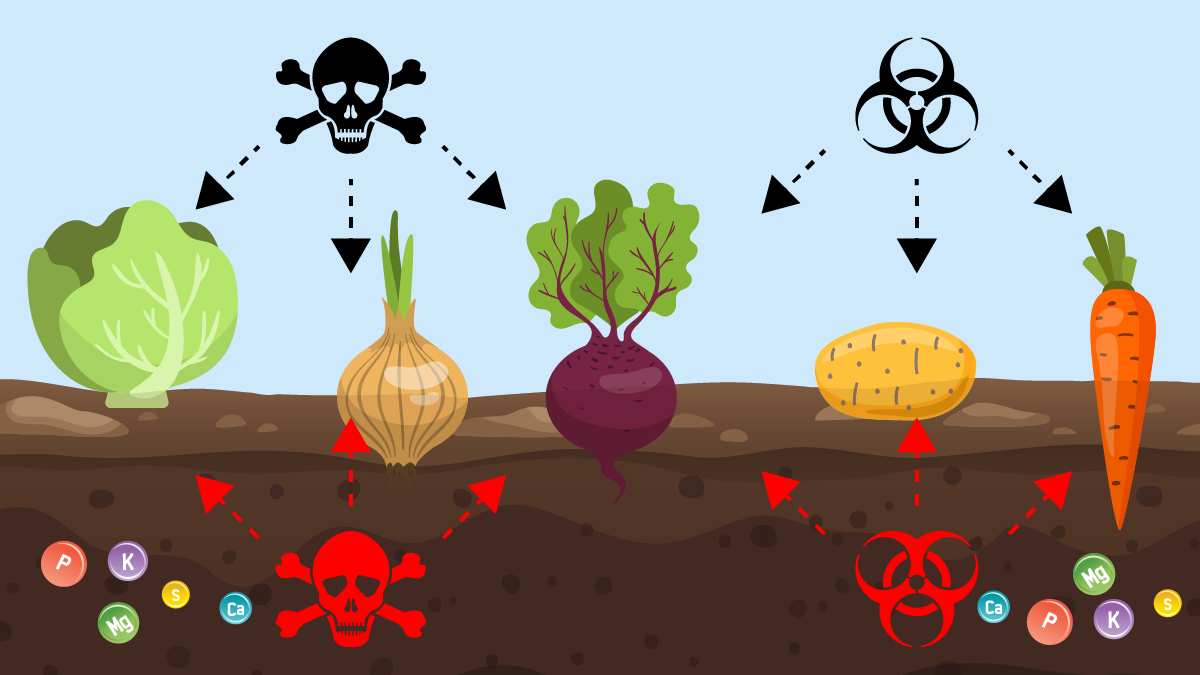
"Ever since humans developed agriculture, we've been transforming the planet and throwing the soil's nutrient cycle out of balance. Because the changes happen slowly, often taking two to three generations to be noticed, people are not cognizant of the geological transformation taking place," says Ronald Amundson, a UC Berkeley professor.
A 2004 study evaluated the Department of Agriculture data for 43 garden crops from 1950 to 1999. The researchers found statistically reliable declines for six nutrients - protein, calcium, potassium, iron and vitamins B2 and C - but no change for seven others.
According to research cited by Courtney White, author of "Grass, Soil, Hope," a study in Australia found that apples had lost 80% of their vitamin C between 1948 and 1991 due to soil depletion and the vitamin A content of carrots had plummeted by 99%.
Meanwhile, in a United Kingdom study cited by White, nearly all vegetables had seen copper reduced by 76%, calcium by 46%, iron by 27%, magnesium by 24% and potassium by 16%. The U.K. study covered the 50-year period from 1940 to 1990.
Various reports and studies throughout the world are all saying the same thing: the situation is getting worse.
So if whole foods, which should be your main source of nutrition, are no longer enough, and convenience foods certainly aren't the answer, how do you make sure your cells get the nutrients they need?
One answer is to take a supplement to help bridge the nutrient gap.