x





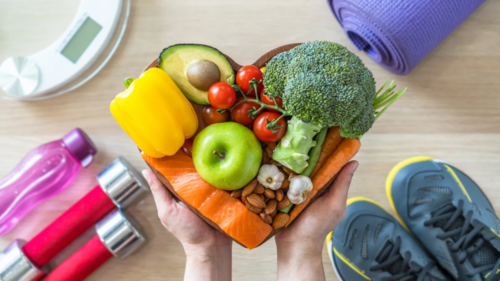
Striving to achieve a healthy lifestyle can be difficult considering the abundance of false advertising claims and poor health advice. However, when it comes to nutrition, the scientific community understands and agrees on the foods that support and maintain heart health and physical activity.
What to Eat to Keep Your Heart Healthy
Whether you’re an athlete or a regular Joe trying to improve your health, there’s a lot you need to understand about how your heart functions. To sum it up, you need to eat a healthy diet to reduce the risk of heart disease or stroke, whether you exercise frequently or once a month.
It’s impossible to out-train a bad diet. While a calorie deficit of unhealthy food can make you lose weight, a thin person isn’t automatically healthier. With that said, it’s hard to figure out which diets are actually “healthy,” as nutrition science is often confusing, even to doctors.
However, this is what the science unanimously agrees on:
To have a healthy heart, you need to eat more plant foods. Studies show that strict vegan diets produce the highest levels of healthy biomarkers. Vegetarians who include eggs, dairy, or fish scored second best, while non-vegetarians had the least favorable health markers. From these studies, we can determine that 75% of your plate should contain fruit, veggies, nuts, pulse, seeds, and whole grains.
Most of the scientific community agrees that red and processed meat is bad for heart health. RUMCSI heart health services can help patients with cardiac arrest and prevention, and they’ll always advise you to eat healthier. To reduce diseases, you’ll need to reduce the amount of red meat you eat.
Carbohydrates and fats aren’t the enemy. Carbs are found in fruits, vegetables, and pulses, which all contain antioxidants, vitamins, minerals, and fiber. We also use carbs as our primary energy source. Healthy fats found in plant and fish sources offer anti-inflammatory health benefits and reduce obesity.
Sugar and salt, when consumed naturally, is good for our health. For example, sugars found in fruit can help energize your body. However, many Americans eat far too much sodium and sugar. You should eat less than 5g of salt per day and limit intake of free sugars to less than 10% of your total energy intake.
One piece of advice that nutritionists unanimously agree on is to limit intake of processed food. When faced with a choice, try to eat whole foods or minimally processed foods. This switch can be difficult, but your heart will thank you.
Keep in mind that you don’t have to stick to this eating pattern all the time. Meat, sugar, and salt in moderation won’t negate the rest of your diet, so it’s okay to eat them every now and then.
What to Eat Before, During, and After a Workout
Now that you have an idea of what type of diet suits a healthy lifestyle, we can start to look at what types of foods will keep your heart healthy before, during, and after an intense workout.
Before a Workout
You should eat something light approximately 40 minutes before you intend to work out. Whole-grain cereals and bread, a banana or apple, chia pudding, or a bit of oatmeal should help you power through a workout because they contain enough healthy sugar and protein.
During a Workout
If you plan to eat during a workout, stick with foods you can easily grab. These include an energy bar, banana, apple, fruit smoothie, crackers, or granola bar. Avoid fruit juice or anything with added sugar because you’ll spike your blood sugar and increase your heart rate.
After a Workout
You should eat immediately following a workout to help your muscles recover and replace their glycogen stores. Stick to a meal with carbohydrates and protein, like a peanut butter sandwich, post-workout smoothie, a big bowl of fruit, or some lean turkey and carrot or celery sticks.
Final Thoughts
In summary, it’s essential to have a balanced diet. Eating foods high in lean proteins, fruits, vegetables, carbohydrates, and healthy fats can help you maintain a healthy heart and reduce the risk of disease. Keep these tips in mind as you plan your meals for your active lifestyle.