x




Free radicals are present inside of every human body – serving the function of fighting pathogens (germs, bacteria & viruses). But having too many free radicals speeds up the aging process, and results in disease formation. Exposure to environmental pollutants, low nutrient intake, smoking, too much UV light exposure, and eating processed all contribute to raising free radical damage to a dangerous level.
Fulvic acid contains antioxidants that counter the effects of free radicals. It is speculated that this may be one of the ways in which Fulvic Acid helps slow Alzheimer’s DIsease, and other cognitive impairment.
Studies also show that Fulvic acid helps lower the length of tau fibrils – which disables them from their performance and stops the Alzheimer’s disease progression.
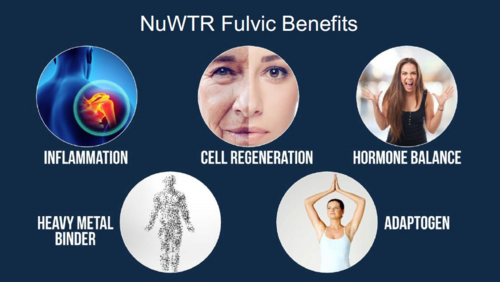
Fulvic acid helps in detoxifying the body of many harmful substances – including radioactive waste and heavy metals – that are believed to contribute to brain disorders. Fulvic acid extends the permeability and lifespan of cells, providing electrolytes that have numerous functions within the heart, muscles, and brain, while removing toxins from those same cells.
A UCLA study published in the American Journal of Geriatric Psychiatry recently established that the Mediterranean diet seems to be protective against Alzheimer’s disease – by keeping toxic plaques and tangles associated with the development of Alzheimer’s disease from developing.
Food staples of the Mediterranean diet include fresh fruits and vegetables – particularly leafy greens like spinach and kale, and non-starch vegetables such as eggplant, cauliflower, artichokes, tomatoes and fennel. However, many of the fruit and vegetables we currently eat are devoid of the disease fighting nutrients due to modern agricultural practices.
Fulvic acid contains the same life-sustaining minerals, in organic form, that are found in the fruits and vegetables of the Mediterranean Diet. And when these essential minerals are chelated by Fulvic Acid, they are more readily absorbed by the body’s cells.