x




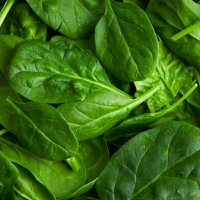
Researchers have found that sulfoquinovose (SQ), a sulfonated monosaccharide found in green vegetables, is a selective yet relevant substrate for ubiquitous bacteria in the human gut.
The study authors say their findings have advanced the currently limited understanding of certain microorganisms’ metabolic capabilities in the gut microbiome. The findings also show SQ can contribute to hydrogen sulfide production, which can have anti-inflammatory properties.
“We don’t know what substances they feed on and how they process them,” explains Buck Hanson, lead author of the study and a microbiologist at the Center for Microbiology and Environmental Systems Science (CMESS) at the University of Vienna.
“By exploring the microbial metabolism of the sulfosugar SQ in the gut for the first time, we have shed some light into this black box.”
The research, now published in ISME Journal, analyzed anaerobic microcosms containing human vegetarian fecal samples to evaluate SQ metabolism by the gut microorganisms.
Microcosms were subsampled over ten days for metabolite quantification and community composition analyses.
Targeting the gut with spinach
SQ is a sulfonic acid derivative of glucose and is found as a chemical building block primarily in green vegetables such as spinach, lettuce and algae.
 Sulfoquinovose was shown to produce specific bacteria in the gut.The researchers’ previous studies showed that other microorganisms could, in principle, use the sulfosugar as a nutrient.
This latest study analyzed stool samples to determine how these processes specifically take place in the human intestine.
“We have now been able to show that unlike glucose, for example, which feeds a large number of microorganisms in the gut, sulfoquinovose stimulates the growth of very specific key organisms in the gut microbiome,” says a study co-author and microbiologist David Schleheck.
These key organisms include the bacterium of the species Eubacterium rectale, one of the ten most common gut microbes in healthy people.
“The E. rectale bacteria ferment SQ produced via a metabolic pathway that we have only recently deciphered. This includes, among other things, a sulfur compound, dihydroxypropane sulfonate (DHPS), which in turn serves as an energy source for other intestinal bacteria such as Bilophila wadsworthia.”
Bilophila wadsworthia ultimately produces hydrogen sulfide from DHPS via a metabolic pathway that was also only recently discovered, explains Schleheck.
Hydrogen sulfide
A key finding from the study is that hydrogen sulfide, which is produced in the intestine by body cells and specialized microorganisms, can contribute to the production of SQ.
Hydrogen sulfide can have both positive and negative effects on the body, depending on the dosage. It can have an anti-inflammatory effect on the intestinal mucosa, for example.
Conversely, increased hydrogen sulfide production by gut microbes is associated with chronic inflammatory diseases and cancer.
Until now, mainly sulfate and taurine, which are found in increased amounts in the intestine as a result of a diet rich in meat or fat, were known to be sources of hydrogen sulfide for microorganisms.
Potential future prebiotic
The discovery that SQ from green foods such as spinach and algae also contributes to the production of the gas in the gut “comes as a surprise,” say the study authors.
The research team is now preparing for future studies into SQ and its effects on the gut microbiome.
Future studies will seek to clarify if and how the intake of the plant-based sulfosugar can have a health-promoting effect.
“It is also possible that SQ could be used as a so-called prebiotic,” says Schleheck.