x




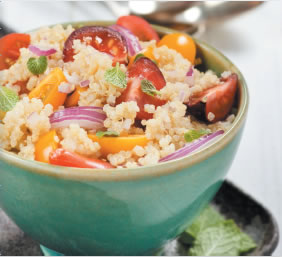
You can get some of the same benefits of a low-glycemic-index diet by avoiding highly processed foods.
The glycemic index is a number that indicates how rapidly the body digests a particular type of food and converts it into blood sugar 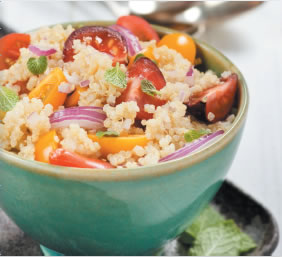 (glucose). Some studies suggest that lower-glycemic-index diets may offer important health benefits for men—like a reduced risk of heart disease and diabetes.
Even if you would rather not take the time to look up the glycemic index of everything on your plate, you can still benefit from the driving force behind the glycemic index simply by avoiding highly processed foods, like white bread, white rice, and sugary desserts. These raise blood sugar rapidly but are also independently tied to poorer health.
"Eating a minimally processed diet is going to cover a multitude of sins," says Dr. David Ludwig, director of the New Balance Foundation Obesity Prevention Center at Harvard-affiliated Boston Children's Hospital.
The theory behind using the glycemic index to choose foods—including fruits, vegetables, nuts, dairy, and grains—is that sudden rises in blood sugar after eating may cause health problems. In studies that observed large groups of people over time, eating a lower-glycemic-
index diet was associated with less obesity, heart disease, and diabetes.
A recent clinical trial put the theory to the test. It measured the impact of lower-glycemic-index diets on factors that influence heart health, like blood pressure and cholesterol. The 163 study participants, all overweight, followed different eating plans for five weeks based on the scientifically proven Dietary Approaches to Stop Hypertension (DASH) diet. The diets were higher or lower in carbohydrates (ranging from 40% to 58% of daily calories), as well as higher or lower on the glycemic index.
In this short-term but carefully controlled trial, eating lower-glycemic-index foods—as part of a diet that was already relatively healthy—didn't affect heart disease risk much. "Reducing the amount of carbs in the diet has a much better established impact than trying to change the type of carbohydrate," says Dr. Frank Sacks, professor of medicine at Harvard Medical School, who led the study.
This one study does not nullify the whole concept of low-glycemic-index diets. For one thing, some research suggests lower-glycemic-index eating is beneficial for people with diabetes. Also, Dr. Ludwig says, many aspects of diet recognized to be important, like fiber and whole grains, typically don't
affect heart disease risk factors over such short time periods.
For now, we don't have the final answer as to whether a low-glycemic-index diet improves heart health. But in the meantime, you can enjoy most of the same potential benefits without having to look up the numbers for everything. Reducing your intake of the following foods will improve the overall quality of your diet while also lowering its glycemic index:
Highly processed grains. Eat grains that are as minimally processed as possible, such as brown rice or unconventional whole grains like bulgur, millet, farro, and wheat berries.
White potatoes. Healthier alternatives include sweet potatoes, whole-grain pasta, or a whole-grain dish like tabbouleh.
Added sugar. Caloric sweeteners like white table sugar and high-fructose corn syrup are moderately high on the glycemic index but are independently associated with obesity and heart disease. And it's not just sugary desserts you need to consider. Off-the-shelf breads, peanut butter, tomato sauce, and innumerable other processed food items contain added sugar.
How to lower your diet's glycemic index |
|
|
|
|
|
Fruit juice |
Whole fruit, fresh or frozen; canned fruit packed in water without sweeteners |
|
Quick oats, grits |
Whole oats, whole-grain breakfast cereals |
|
Sugar-sweetened pie, cake, or cookies |
Lightly sweetened and flavored yogurt with ripe berries or cut fruit |
|
White rice |
Bulgur wheat, quinoa, or pearled barley |
|
White bread |
Whole-grain, whole-kernel, or "flourless" breads |
|
Baked or mashed potato |
Cubed and roasted sweet potatoes |
|
|
|
















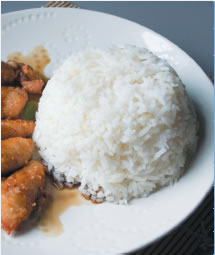 Instead of this...