x




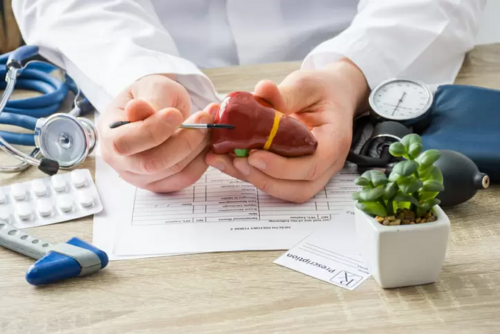

The gallbladder is a small, pear-shaped organ that sits just under the liver. It stores bile produced by the liver. Before you eat, the gallbladder may be filled with bile and may be the size of a small pear. After you eat, the gallbladder becomes empty, like a deflated balloon. When needed, small amounts of bile are squeezed into the small intestine through ducts, where it helps digest fats.
It is possible to live a long, full life without a gallbladder. However, without a gallbladder, there’s no sack or storage unit to hold bile (made by the liver) where it can collect. Instead, your liver will release the bile straight into your small intestine. This will still allow you to digest most foods. However, large amounts of fatty, greasy or fried foods may become harder to digest.
If high fatty foods are eaten, this can result in gas, bloating and diarrhea (due to not enough bile being available right after they are eaten). Therefore, it may be best to eat smaller meals and limit (or eliminate) foods that are high in fat such as beef, fried foods, potato chips, poultry, dairy and vegetable oils (including olive oil, peanut oil, safflower oil, canola oil, etc.)
In addition to a plant-based diet, the following basic guidelines can help keep your gallbladder functioning well:
Whole grain foods, like whole-grain pasta or brown or wild rice, are packed with natural fiber. Fiber lowers your LDL, or your “bad” cholesterol, protects your heart, and keeps gallstones from forming. Fiber also flushes away bile and gets your digestive system moving.
Fruits and vegetables are packed with water, fiber, and vitamins E and C. These vitamins help protect against gallstones.
Your gallbladder works extra hard to digest fatty foods. Lots of greasy foods can lead to gallstone formation. Fried foods are also high in saturated fat which can cause you to gain wait and raise cholesterol.
Raw nuts are high in fiber and “healthy” fats. They are also packed with plant sterols, which are compounds that block your body from absorbing cholesterol. Raw nuts and their natural oils may help protect against gallstones. Try to eat only raw nuts, such as walnuts, pecans, pine nuts, etc. Avoid roasted nuts whenever possible, as they may contain nasty, oxidized fats.