x




As the amount of sunshine decreases and temperatures drop, many people experience feelings of depression and sluggishness. Appetite cravings might change to dense foods high in carbohydrates and calories, and physical activity tends to decline. All of this can lead to lower energy levels.
Many of these symptoms, which can negatively affect health, are common in seasonal affective disorder, a type of depression related to the changing seasons.
Let’s take a look at some healthy living tips for older adults that will help them break out of this cycle during the fall.
Keep your body in motion during fall and winter months. This can include household chores as well as indoor workouts.
Nurse Next Door provides information on safe and easy indoor exercises for older adults to improve strength, balance, and flexibility.
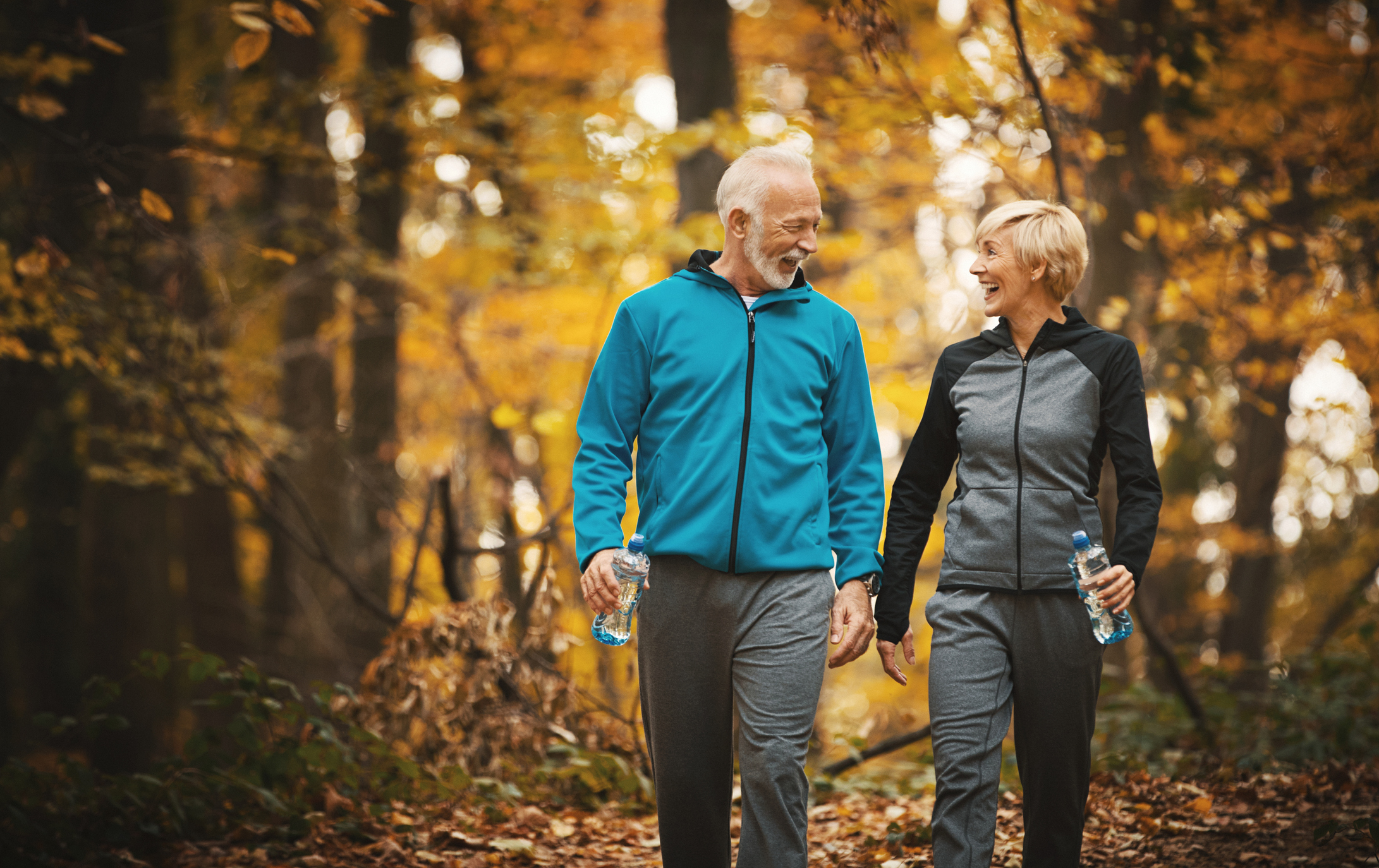
Walking is great cardiovascular exercise. If the weather does not permit walking outside, there are indoor cardio routines for seniors to try.
Consult with your physician before beginning any exercise program.
While some fresh produce will disappear from the grocery store as winter approaches, there are still plenty of nutrient-rich fruits and vegetables from which to choose.
The Upside lists some fall favorite produce and ways to prepare and eat them. It includes:
Sweet potatoes contain fiber and vitamins A, C, B6, and manganese. Cruciferous vegetables like Brussels sprouts and cabbage are also rich in vitamins and minerals.
Be mindful of the tendency to take in too many additional calories through snacking during the fall. Delish offers several healthy fall soup recipes.
Seniors need to stay hydrated even as the weather cools, even though they may feel less thirsty. Every cell in the human body needs water to work properly. Herbal tea on cold days counts toward fluid intake, as does vegetable or fruit juices.
If a senior is craving more flavor in his or her fall food selection, spices can be good for a person’s health as well as their taste buds, according to Johns Hopkins Medicine.
Here are some of the benefits:
Vitamin D helps maintain strong bones and muscles, and is manufactured in the body through sunlight. As the amount of sunlight decreases in the fall, other food sources for the vitamin may need to be found. Below are some of these food sources:
According to the National Institute on Aging, thousands of seniors injure themselves in falls each year. When an elderly person is injured during a fall, that may cause a cascade of serious consequences that can lead to disability and even death.
Fall and winter, with its rain-slicked or icy sidewalks, steps, and driveways are seasons prime for increased fall risks. Problems with balance, reflexes, coordination, or vision make falls more likely, as do certain medications.
There are some things that can be done by seniors and family members that will reduce fall risks:
Seniors need to be prepared for colder weather, so as to minimize the need to expose themselves to the cold and potentially hazardous conditions.
Their home should be well-stocked with supplies, including food and medications. This would include non-perishables like water, candles, fresh batteries, and extra blankets.
Furnaces should be inspected and smoke and carbon monoxide detectors tested.
Set up services for fall leaf raking and winter snow removal, especially for seniors with chronic conditions who should not be performing these tasks.
It’s recommended that seniors set their home thermostats at a minimum of 68 to 70 degrees.
When seniors go outside in cold weather, they should dress in loose layers of clothing that trap warm air between the layers. Wearing a waterproof coat or jacket if it is raining or snowing is beneficial, too.
Illnesses like diabetes can inhibit blood flow that would normally provide warmth, and thyroid conditions can also make it hard to maintain normal body temperature. And some prescriptions or over-the-counter medications can effect body heat. Talk to a physician about all the medications and supplements being taken.
Stay inside on windy days which can quickly lower body temperature.
Has the senior had his or her flu vaccine? Even while there is great concern surrounding COVID-19, a flu shot is something that senior adults should not omit.
Flu and COVID-19 prevention is much the same, which means limiting contact with others, frequent handwashing, and, in the case of COVID-19, wearing masks when in public.
Seniors should not neglect chronic conditions like heart disease, diabetes, chronic obstructive pulmonary disease, high blood pressure, and dementia during fall and winter months. Pneumonia is especially harmful during colder weather, especially in seniors with chronic conditions.
Older adults need to monitor their health, take their medications correctly, and stay in contact with their physician.
Physical health is tied to emotional and mental health. Staying engaged with hobbies and interests and connected with family and friends encourages and energizes seniors to maintain their physical health.
Also, studies have linked positive thinking to better protection from the inflammatory effects of stress and the energy needed to maintain a healthier lifestyle.
Older adults should be encouraged to focus on the good things in their lives, stay connected with people they love, and turn off the news from time to time to listen to music, read a book, or call to chat with a friend or family member.
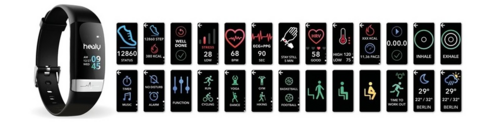
THE HOTTEST WEARABLE TECHNOLOGY FOR SENIORS: WWW.LIFESTYLEWEARABLE.COM