x



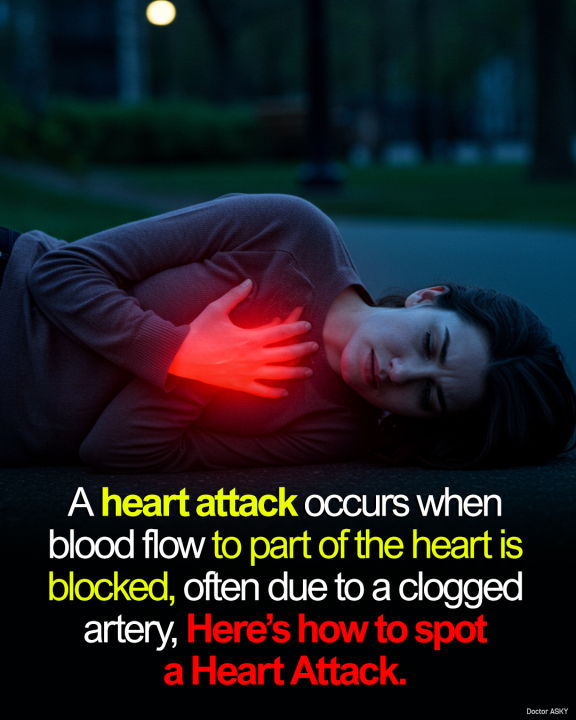
A heart attack is what happens when blood can't get to part of the heart because something—usually a clogged artery—is blocking the way. Without that blood flow, the heart muscle starts getting damaged fast. It’s like cutting off fuel to a car engine while it's running—you can’t go far before things start breaking down. The most common reason this happens is a buildup of fatty deposits (plaque) in the arteries, which eventually narrow the space for blood to flow and can suddenly form a clot that causes a full-on blockage. In rarer cases, it could be due to a spasm in the artery or even drug use, like cocaine, that messes with how the heart works.
The warning signs can vary, but classic symptoms include chest pain that feels like pressure or squeezing, which may spread to the arms, back, neck, jaw, or even stomach. People often also feel sweaty, nauseated, dizzy, or short of breath. Some describe it as a crushing weight or intense discomfort. Not everyone feels it the same—especially women, who may experience more subtle signs like fatigue, indigestion, or anxiety instead of obvious chest pain.
If you think someone is having a heart attack, don’t wait—call 911 immediately. While waiting for help, stay with the person and keep them calm. If they stop breathing or don’t respond, start chest compressions—push hard and fast in the center of their chest, about 100 to 120 times per minute (think of the beat to the song "Stayin’ Alive"). If there’s an AED (automated external defibrillator) nearby, grab it and follow its voice instructions—it could help restart the heart.
Time is everything. The sooner someone gets medical help, the better their chances of survival and recovery. A delay of even minutes can mean more heart damage—or worse. Protect Your Health and Health Today at www.drinkbc6.com