x




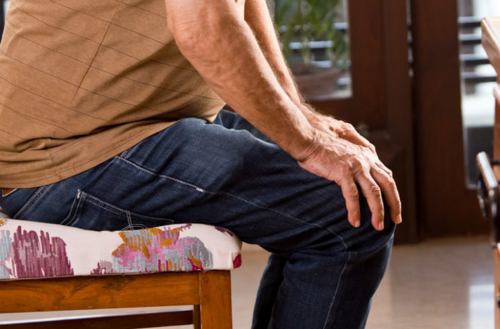
Weight loss can be a pain. But not losing extra pounds can become even more painful to your joints.
Osteoarthritis (OA) is one of the most prevalent painful joint conditions and obesity is now recognized as an important modifiable risk factor for osteoarthritis.
And with more than 71% of adults in the U.S. over the age of 20 being overweight or obese, according to the CDC, it’s probably not a surprise that these weight-induced joint issues are so widespread.
So what’s happening to your body and what can you do to mitigate the risks? We talked to a few Cleveland Clinic experts to sort it out.
“Joints in your body’s lower half — particularly your knees and hips — bear most of your weight,”“That’s why years of carrying around excess weight contribute to achy, swollen, stiff joints.”
With osteoarthritis, the cartilage “cushion” within a joint degenerates. Bones then rub against each other, causing irritation, pain and swelling. The more weight on the joint, the more wear and tear on the cartilage.
In fact, reducing your weight is a big factor in managing the effects of osteoarthritis on those lower body joints.
“Maintaining an ideal body weight is important, and if overweight, losing as little as 10 pounds can decrease the progression of your knee osteoarthritis by 50 percent, according to a published study,”
Studies consistently show that overweight people have higher rates of osteoarthritis than people who aren’t overweight. One study found that those who are obese (with a body mass index [BMI] between 30 and 35) are four to five times more likely to get arthritis in their knees.
If you have weight-induced joint pain, losing pounds and taking stress off your joints may ease your symptoms. While your body can’t reverse arthritis or regrow cartilage, losing weight can help arthritic joints feel better and prevent further excess damage.
The best way to lighten up? Healthy eating and exercise, of course. Dr. Bolash recommends water exercises for those with joint pain. Swimming, water aerobics and walking laps in the pool are good options.
“In water, your body floats, and you take much of the weight off your joints so moving them doesn’t hurt as much,”. “At the same time, water provides resistance that allows you to activate muscles without burdening your joints.”
Activity and mobility exercises are first line of treatment for patients with joint pain. If mobility is a challenge, he often directs patients to physical therapists who can advise on gait, proper footwear and how to prevent pain during movement.
For joint pain that doesn’t go away, both rheumatologists and pain medicine specialists offer treatments including:
The best treatment for joint pain is stopping it before it starts. Protect your hips and knees for the long-term by lightening your load. If you need to lose a few pounds, get moving now before moving gets you.
What you can do to help:
It is also important to get the proper diagnosis because many other joint conditions can cause joint pain. These include autoimmune-related arthritis, rheumatoid arthritis, psoriatic arthritis, gout or a septic joint.
.png)