x




At the simplest level, a cell is a sac of fluid surrounded by a membrane. It doesn’t sound fancy, but quite magically, inside this fluid there are chemicals and organelles working to carry out special jobs relating to each cell’s function, for example helping iris cells in your eye to control the flow of light.
Crucially, our cells also take in fuel, like the food we eat and the air we breathe, and convert it into energy. And rather impressively, cells function on their own, creating their own energy and self-replicating — in fact the cell is the smallest unit of life that can replicate. Therefore, cells not only make up living things; they are living things.
Cells that are in good health age, repair and grow well, they produce ample levels of energy to function, and they manage stressors well to keep your body and mind running smoothly. So how do you keep cells in good health to ensure this work is all ticking over nicely?
Since you are almost entirely made of cells, when we think of living “healthy”, we’re actually talking about keeping our cells healthy. So the usual rules apply: eat a well-balanced diet, maintain good levels of exercise, don’t smoke, make sure you get enough sleep daily and minimize life stress, alcohol intake and exposure to environmental toxins. Textbook stuff.
But there are a couple of steps you might not be aware of, and this is where we need to dive even deeper into this wonderful world of cells. Because every day, stress can be happening inside your cells that can impact everything from your energy levels to cognition, how you age, the way you recover from exercise and illness, and your general levels of health.
As we said earlier, your cells generate their own energy, but what exactly is creating that energy? Inside your cells, you have tiny organelles called mitochondria. They are incredibly small (up to a 1000th of a millimeter), yet they are responsible for producing 90% of your body’s energy. That’s 90% of the energy you use every day, to get in a Monday workout, to remember to call your mom, to call your mom, to start writing that report you don’t want to at 9pm, and to help your kids make it to bed without melting down (you or them!). The more energy a part of your body needs to function – for example, your heart, muscles, or brain – the more mitochondria its cells have, to meet those high energy demands.
As if that’s not a big enough job, your mitochondria also aid your cell growth, survival and death, help generate hormones, assist in calcium storage for cell signaling and have their own unique DNA to help them perform their specialized functions.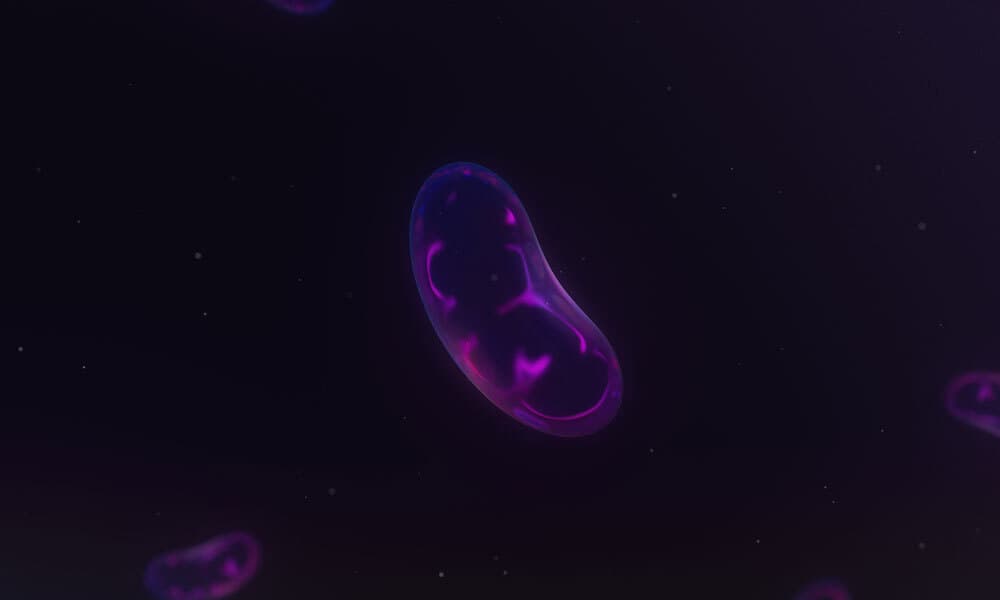
Unfortunately though, these are the tiny parts of your body where things can go a bit awry.
When your mitochondria generate energy for you to function, they also create a by-product called free radicals, a bit like exhaust from a car engine. Free radicals aren’t all bad, they do have some important jobs, but if too many of them build up it can cause the cells to become damaged. This is the main cause of cell stress in the body (other causes include environmental stressors, some infections, and physical damage). Once this happens, your cells spend precious energy and time firefighting damage and less doing all those important jobs your body needs them to do.
Your mitochondria are clever though – it's not for nothing they’re called the powerhouse of the cell! They self-manage free radical build-up by producing antioxidants, which stabilize those cheeky radicals and reduces the likelihood of this cell stress.
That all sounds great, except like sandwiches, a vase of flowers and your dance skills – your mitochondria don’t improve with age. Your body’s antioxidant levels begin to naturally decline as you age, leaving free radicals uncontrolled. Additionally, our day-to-day lives expose us to even more free radicals through stressors such as pollution, UV radiation, poor diet, lack of exercise, too little sleep, smoking, life stress and drinking alcohol, making the battle against them that bit harder.
Basically, cell stress means that your cells are under attack – this is where the “aging and living” thing comes in. Every day your cells are potentially being damaged by the decline of antioxidants that comes with the territory of aging, and other damage that comes with the whole “living” thing.
This combination of internal and external factors diminishes the cell’s ability to cope. Rather than acting optimally, our cells become increasingly stressed, meaning we are constantly in a firefighting mode to keep our bodies functioning. To us that means feeling more fatigued, those pesky afternoon energy slumps, trouble focussing at work, feeling slammed the day after intense exercise, slow recovery from illness, and feeling or seeing the effects of aging more prominently. In other words, feeling crap.
It then makes sense that if your cells are performing at their best, you are too. The trillions of cells within you form the foundations of your health. When your cells are healthy, a positive domino effect occurs where the health of your whole body is supported and you can get on with really living.

- Physical and mental energy
- Immunity
- The aging process
- Organ health
- Sleep quality
- Overall health and wellbeing