x




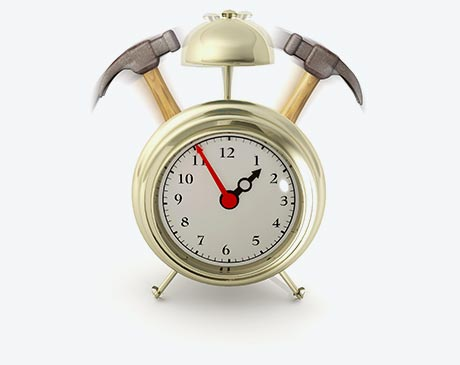
Sleeplessness is commonly associated with stress, and 2020 has been among the most stress-filled years in recent memory. It's likely that more people are struggling with sleep deprivation than are reported during the ongoing COVID-19 pandemic. Having to readjust once again is bound to be another hurdle for people in the U.S.
Add this to standing facts – 26% fewer third-shift than first-shift workers report getting enough sleep, and teens and tots typically get far less than their recommend 10 hours nightly due to demanding school, sports, and social schedules – and daylight saving time seems to be exacerbating an already prevalent issue.
In the fall and winter, many people typically spend all day indoors at work or school – or home, amidst the pandemic. By the time we leave our tasks, it’s dark already. This means we get less exposure to the sun, which reduces the amount of vitamin D our bodies produce. Low levels of vitamin D are linked to low mood and depression, as well as fatigue, muscle pain, and weakened bones.
Sleep disruptions can also cause an increased risk of mental illness. In the fall, losing an hour of evening light can markedly affect our mood – and signal the beginning of seasonal affective disorder, a type of depression that is associated with a lack of sunlight.
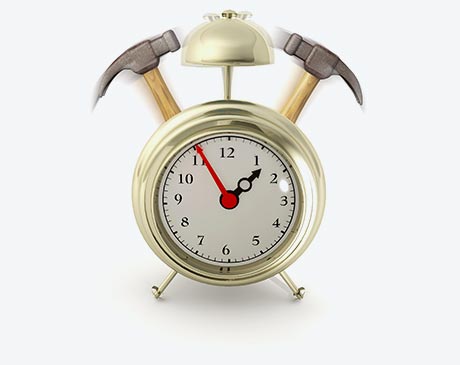
Time changes twice a year have been shown to disrupt sleep patterns and have negative effects on your brain health.
Lack of sunlight suppresses the production of two important hormones: sleep-inducing melatonin and the "happy chemical" serotonin, which plays a key role in mood balance. In other words, we're more likely to be grumpy and tired – but unable to fall asleep – in the days following daylight saving time.
One study showed that hospitals reported addressing 11% more depressive symptoms right after the fall time change. The time change in the spring did not result in a similar result, supporting the notion that sunlight does our minds and bodies good.
Multiple studies have shown a small increase in heart attacks after the start of daylight saving time in the spring and a small decrease at its end in the fall. Meanwhile, stroke rates are 8% higher in the first two days following both time changes.
Fatal traffic accidents also become more of a danger after the spring time change. A recent study showed that fatal accidents increase 6% and are more common in the mornings directly after the clock change. There did not appear to be an effect from the fall-back transition to standard time.
Of course, one season of time changes is highly unlikely to cause issues. However, over time, we must be mindful of how sleep, or lack thereof, affects our overall health. While we can't manually reset our internal clock, try these tips to have a more restful daylight saving transition this year.
A few days before the time changes, go to bed and wake up 10 to 15 minutes later each day to help your body slowly adjust.
Once the clock changes, try to keep things as normal as possible. Get up and go to bed at your normal times. The same goes for your other daily routines, such as eating and exercising.
A healthy bedtime routine can do wonders for your sleep. A few good sleep hygiene habits to follow include going to bed and waking up a the same time every day; not watching TV or browsing social media; avoiding caffeine and alcohol in the evening; and not exercising before going to bed.
Spending time outdoors during daylight hours, even if it’s only for a quick walk over lunch, can help stimulate your body. You also can sit by a window or try light therapy.
You don’t have to skip your morning cup of coffee, but try not to go overboard if you hit an afternoon slump. And definitely stay away from caffeinated beverages in the evening so you can fall asleep when you should and stay asleep.