x




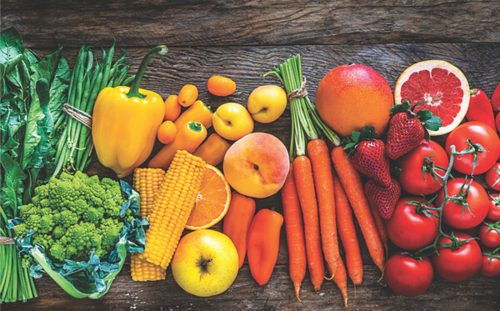
Every year in the United States, more than 795,000 people have a stroke and about 140,000 die of a stroke, according to the US Centers for Disease Control and Prevention. "Stroke prevention is vital," says Kumar Rajamani, MD, DM, medical director of the Comprehensive Stroke Program at Detroit Medical Center. "Up to 80 percent could be avoided with healthy lifestyle changes, including eating better, exercising regularly, quitting smoking, and losing weight if you're overweight or obese."
Recent studies from Taiwan and the United Kingdom showed that a plant-based diet can be powerful protection against stroke. The Taiwanese study, published in Neurology in March 2020, tracked 13,352 adults for up to nine years and found that eating vegetarian was associated with a lower risk of both ischemic and hemorrhagic strokes (60 and 65 percent lower, respectively) than not eating vegetarian. The UK study of 418,329 people, published in the European Heart Journal in July, said that every 200 grams (about one and a third cups) of fruit and vegetables consumed daily was associated with a 13 percent lower risk for an ischemic stroke.
But, experts caution, avoiding meat isn't enough to lower your odds. Vegetarian diets that are heavy on refined carbohydrates, saturated fats, and sweet drinks, for example, are associated with an increased stroke risk. In a 2017 study of 116,969 people published in the Journal of the American College of Cardiology, those who followed an unhealthy plant-based diet had a 32 percent higher risk for heart disease (a risk that could extend to stroke) than those who followed a healthier diet.
"The words 'vegetarian' and 'vegan' can mean many things," says Ayesha Sherzai, MD, a neurologist at Loma Linda University Medical Center in California, who prefers to recommend a whole-food, plant-based diet of fruits, vegetables, leafy greens, nuts, beans, whole grains, and olive oil. "Eating unprocessed plant foods provides fiber, good fats, and nutrients like phytochemicals that can lower stroke risk by helping to prevent or control high blood pressure, cholesterol, and blood sugar as well as inflammation and cell damage caused by oxidative stress."
With people stuck at home because of COVID-19, stroke prevention may be more important than ever. A survey in Obesity Research and Clinical Practice suggests that some Americans are gaining weight and eating more sugary and salty snacks, comfort foods, and takeout. "We are seeing longtime patients coming in with higher blood sugar, blood pressure, cholesterol, and weight since the start of the pandemic," says Dr. Sherzai. "Our brains make us reach for comforting foods, even if they are unhealthy, to reduce stress in times like these. You have to realize what's happening and make healthy choices."
These steps can help:
.jpg)