x




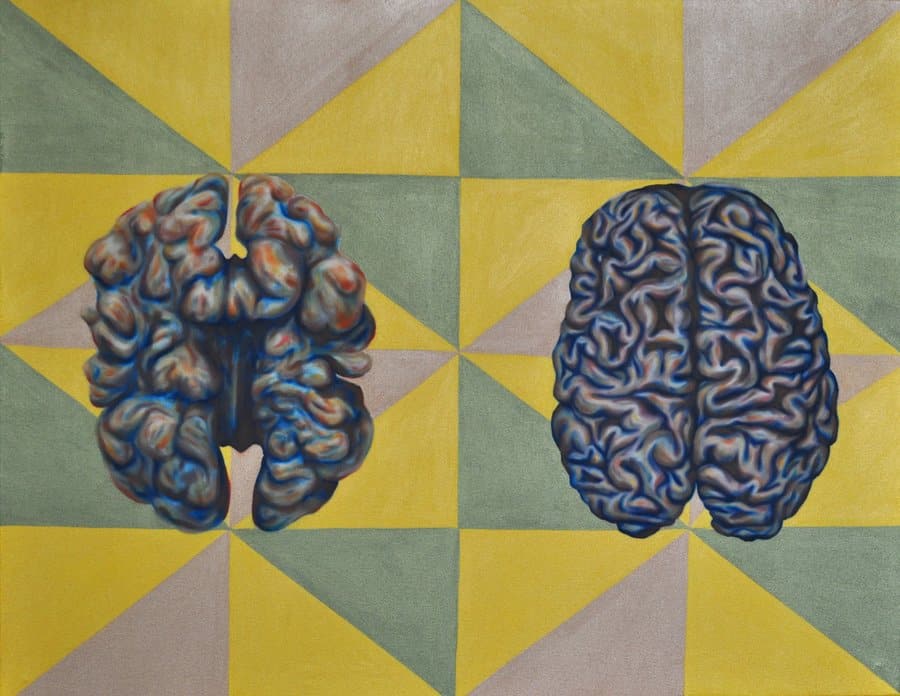
Dietary choices affect health—or lack of it. That is not news to anyone. So often when we think of certain problems such as obesity, heart disease, or diabetes, we think merely of the obvious physical complications such as the extra baggage around the stomach, the clogged arteries, the overworked pancreas, or the needlelike pain of diabetic neuropathy. But these and other disorders target an equally sensitive organ—the brain.
Can risk factors for heart disease and stroke have a bearing on how well you think and remember? According to research presented at the recent American Heart Association’s 71st Scientific Session, the answer is… Yes [1]. The effects of diabetes, cigarette smoking, elevated blood pressure, and obesity are all linked to mental decline or cognitive impairment. According to researcher Merrill Elias, Ph.D., the more risk factors a person has, the greater the risk of developing memory and learning impairments [2] [3].
Midlife elevated serum cholesterol, a heart disease risk factor, is also associated with mild cognitive impairment [4]. Not all elevated cholesterol levels are due to diet and lifestyle, but we see more children and adults than ever before suffering from high cholesterol as a result of inactivity, chronic stress, obesity, and poor diet in general.
Science is confirming that the nutrients we consume on a daily basis have an immediate effect on mental function: “Can what we eat influence mental function? The answer is certainly affirmative; we ingest each day any number of compounds that we know alter mental function [5].”
Most of us realize that the quality and quantity of foods that we eat affect our physical bodies and risk for disease in some profound ways. But less widely understood is the critical impact that our eating habits have on brain health, memory, mood, learning, and even behavior! In his book The Memory Bible, physician and neuroscientist Gary Small states it this way: “Just as unhealthy diets can lead to physical ailments like diabetes, heart disease, and obesity, those same T-bone steaks, curly fries, and ice cream sundaes can negatively, and sometimes irreversibly, damage our brain fitness—although the effects may take decades to appear [6].”
Creating a healthy brain environment includes several vital components, including a wholesome diet, mental challenges, physical activity, positive attitude, and proper rest. Remarkable benefits, including improvement of mood and memory, can occur when brain cells are nurtured in a healthy environment. And the very strategies for boosting brain health also help fight the ‘big four’ lifestyle diseases: heart disease, stroke, high blood pressure, and diabetes, that impair physical as well as mental fitness.
Eating a healthful brain diet is actually no more complicated than eating a diet that is good for your body. As a matter of fact, they are one and the same! It is important to get plenty of fresh fruits, vegetables, whole grains, and beans that are high in antioxidants and fiber.
Switching to healthful fats such as the kind found in olives, avocado, olive oil, flax seeds, soy oil, and nuts affects inflammation as well as cellular function and flexibility—all important to brain as well as heart health. Finally, limiting calories by changing the type of food eaten is actually easier (and tastier) than it might seem at first. Shifting away from calorie-dense junk foods and high-fat animal products to fresh, high-fiber plant foods provides more nutrition, more satisfaction, more variety, and better brain health!