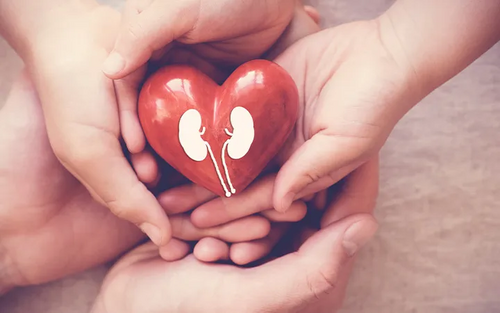
While each organ in the human body has a unique job to perform, the heart and kidneys are uniquely connected. Having disease in one organ directly affects your chances of developing disease in the other. In fact, kidney disease and heart disease share many of the same risk factors.
The Connection Between Heart Disease and Kidney Disease
“There are two primary ways that heart disease and kidney disease are connected, “The first is what we call cardiorenal syndrome, when an acute heart problem results in an acute kidney problem and vice versa.”
The other connection between heart disease and kidney disease is a shared set of risk factors. “In particular, diabetes and high blood pressure are two of the most dangerous shared risk factors for heart and kidney disease,” . Other risk factors include:
- Obesity
- Dyslipidemia (abnormally elevated cholesterol or other fats in the blood)
- Smoking
How Diabetes and High Blood Pressure Stress the Body
The main role of the kidneys is to remove waste products and excess fluid from the body via a network of capillaries. In the case of diabetes, elevated blood sugar levels can damage blood vessels over time. This causes the system to work less effectively, resulting in reduced kidney function and greater strain on the heart.
In the case of high blood pressure, over time it can cause the arteries supplying blood to the kidneys to narrow, weaken or harden. As a result, the kidneys receive less oxygen and nutrients and lose their ability to filter blood and perform other important functions.
Extra fluid in the blood caused by reduced kidney function can raise a person’s blood pressure even more, creating a dangerous cycle that can cause more damage and eventually lead to kidney failure.
Optimizing Heart and Kidney Health
“Due to this vital connection between heart health and kidney function, it should come as no surprise that what’s good for the heart is also good for the kidneys,”
Lifestyle changes that can help protect and improve heart and kidney health include:
- Getting regular physical activity: The United States Department of Health and Human Services recommends adults get at least 150 minutes of moderate aerobic activity or 75 minutes of vigorous aerobic activity a week (or some combination of moderate and vigorous activity).
- Dietary changes: Following a balanced diet includes reducing sodium, avoiding processed foods, limiting foods high in saturated fats and cholesterol, and increasing consumption of fresh fruits and vegetables and foods rich in heart-healthy omega-3 fatty acids.
- Reducing high cholesterol levels: If you are unable to reduce your high cholesterol through diet and exercise alone, your doctor can prescribe certain medications, such as statins, to help lower your levels.
- Keeping your blood pressure under control: If you have high blood pressure and are unable to control it through diet and exercise alone, your doctor may prescribe certain medications. For example, angiotensin converting enzyme (ACE) inhibitors or angiotensin receptor blockers (ARBs) are blood pressure medications often prescribed to people with kidney disease, as they also help to protect the heart. In addition, your health care provider may suggest fluid and sodium limits to reduce your blood pressure.
- Control your diabetes: If you have diabetes, follow your diabetes care plan, which may include taking medication to control your blood sugar, regular glucose monitoring, following a healthy diet and exercising regularly.
- Stop smoking: Smoking is the most modifiable risk factor for both heart and kidney disease. Smoking hardens arteries, which causes both coronary artery disease and nephrosclerosis (a hardening of the small blood vessels in the kidneys). In addition, smoking is a risk factor for high blood pressure.
.png)