x





Our gut microbiome starts to become populated in utero, then through birth, breastfeeding, and our environment. As adults what we eat becomes the number one influence on our gut microbiota. Trillions of microorganisms including bacteria, viruses, parasites, and fungi, live in our large intestine, the sum of which we call the gut microbiota.
Why is it important? Well, 70 percent of our immune cells live in our gut and the gut microbiota are responsible for thousands of metabolic functions, hormones, vitamins, and digestive enzymes needed to digest fibre (we as humans can’t produce these enzymes). They are considered key for mechanisms such as intestinal permeability, immune activation, entero-endocrine signalling and neural responses.
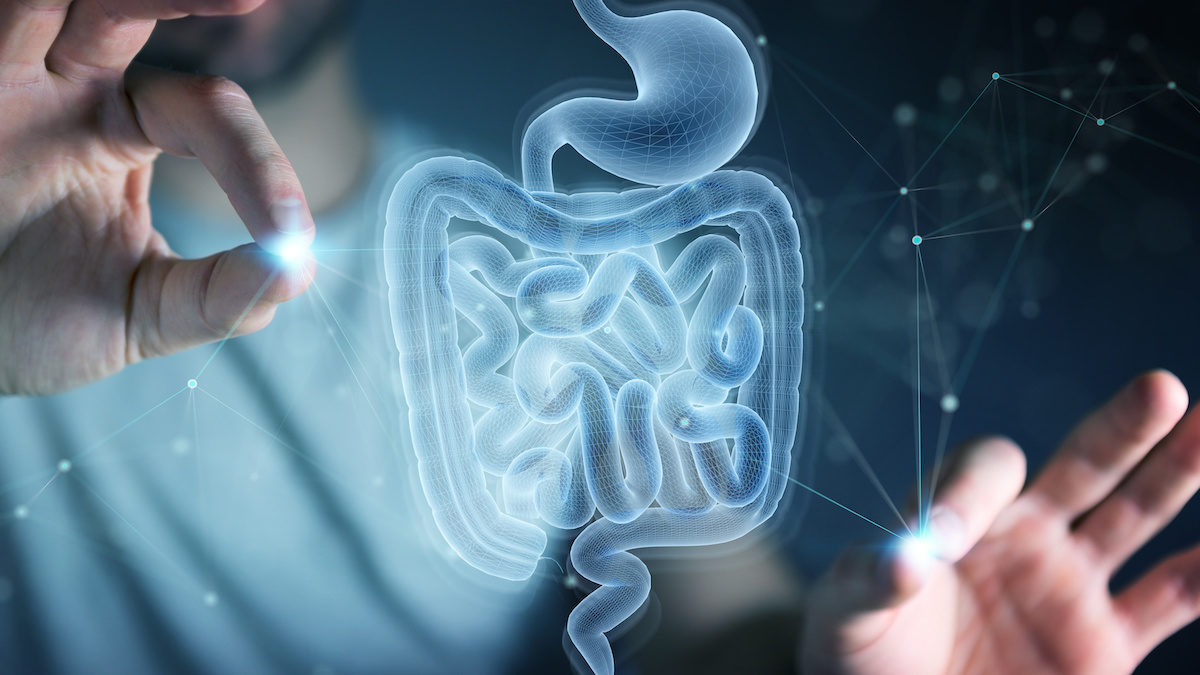
We know that gastrointestinal problems can cause stress and anxiety and that stress and anxiety can make gastrointestinal problems worse – but why? There is increasing evidence that the two-way communication between the gut microbiota and the central nervous system (i.e. the gut-brain axis) has a direct link to our mental health as it links cognitive and emotional centres of the brain with peripheral intestinal function.
Gut microbiome dysbiosis, leaky gut, and inflammation are factors that can affect the brain and cause symptoms of anxiety, depression and autism. And there is also strong clinical evidence between individuals with IBS also suffering with depression.
I always come back to the analogy that our gut microbiome is like a garden – too many weeds and it won’t thrive. This can be said for the gut microbiota we have residing in our gut. 95 percent of bacteria are beneficial. However, when we have an imbalance it can reduce diversity and become an unhealthy environment.
Let’s revert back to the garden. When we have lots of different types of flowers we increase biodiversity and create a healthy ecosystem. The same goes for the gut. The aim is to have a diverse range of microbes populating the gut as they are responsible for our mood and thousands of metabolic functions.
Some of the best ways to improve our gut health can be through nutrition and eating a healthy and balanced diet to support good gut health which in turn will support our mental health; a win-win for the gut-brain axis.
Follow these suggestions with the nutritionist’s mantra in mind: “remove, replace, repair, rebalance, reinoculate.”
These are plant fibres that feed our gut microbiota and create an environment they can thrive in. They can be found in oats, legumes, leeks, asparagus, banana, apples, garlic, globe and Jerusalem artichoke, onion, and prebiotic supplements.
Probiotics are live bacteria and yeasts we need to help populate our gut with beneficial microbes. They can be found in yoghurt with live cultures, sauerkraut, kimchi, kombucha, miso, tempeh, and natto.

It’s absolutely key that we regularly drink water to make sure we are eliminating toxins from the body.
Fibre helps to feed our gut microbiota, improve our stool quality, and boost gut motility to reduce constipation and make sure we are excreting toxins from the body. Many of us don’t reach the minimum 30 grams of fibre required per day. Remember to eat the rainbow of fruits and veggies to pack that fibre in then.
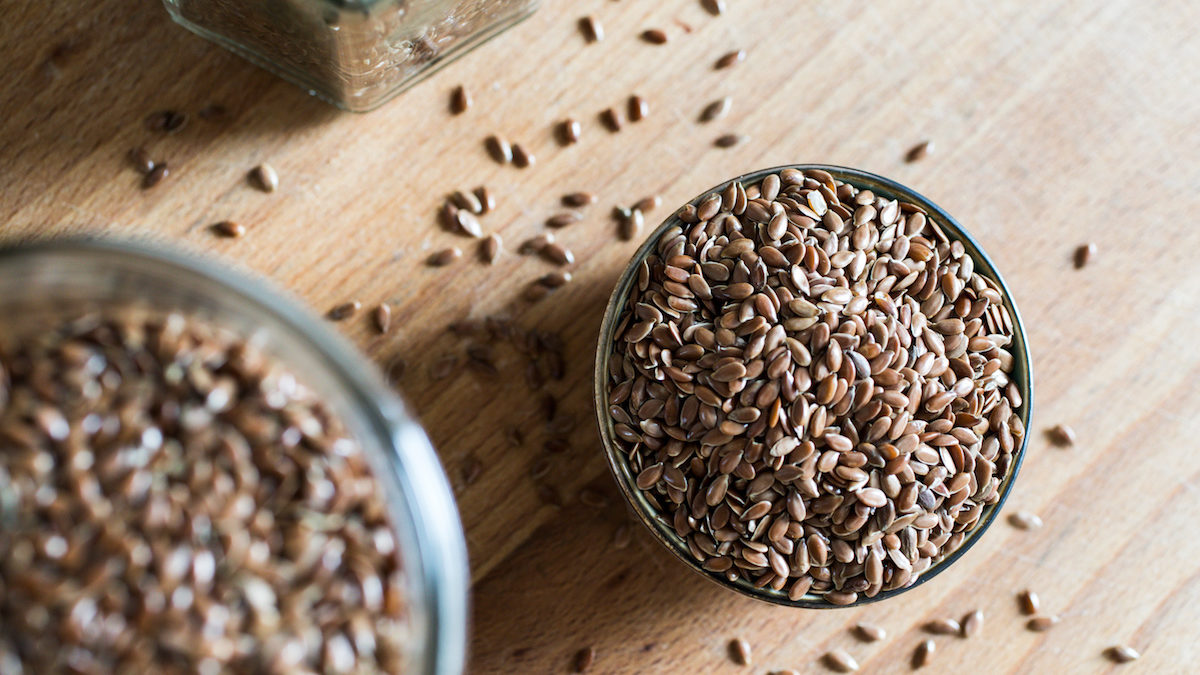
Essential fatty acids are key for cell membrane functions, reducing inflammation and supporting brain and cognitive health. They can be found in flaxseed, chia seeds, hemp seeds, salmon, mackerel, anchovies, herring, and sardines.
These target free radical damage and inflammation to reduce oxidative stress, an imbalance between free radicals and antioxidants in the body caused by our diet, environment, stress, alcohol, some medications, and obesity. Great sources are berries and cherries as they are high on the Oxygen Radical Absorbance Capacity (ORAC) scale.
Bone broth is a great source of collagen and glutamine which are fantastic for supporting connective tissue health and repairing our guts tight junctions.
Yes absolutely. Mindfulness practices like breathing and meditation can support regulating the stress response and how our body copes with stress.
Meditation has been shown to switch us from that flight-or-fight sympathetic response (which can be so detrimental to our health) to the rest-and-digest parasympathetic nervous response which is imperative to enhance nutrient absorption, reduce, inflammation and maintain healthy gut barrier function.
.png)