x




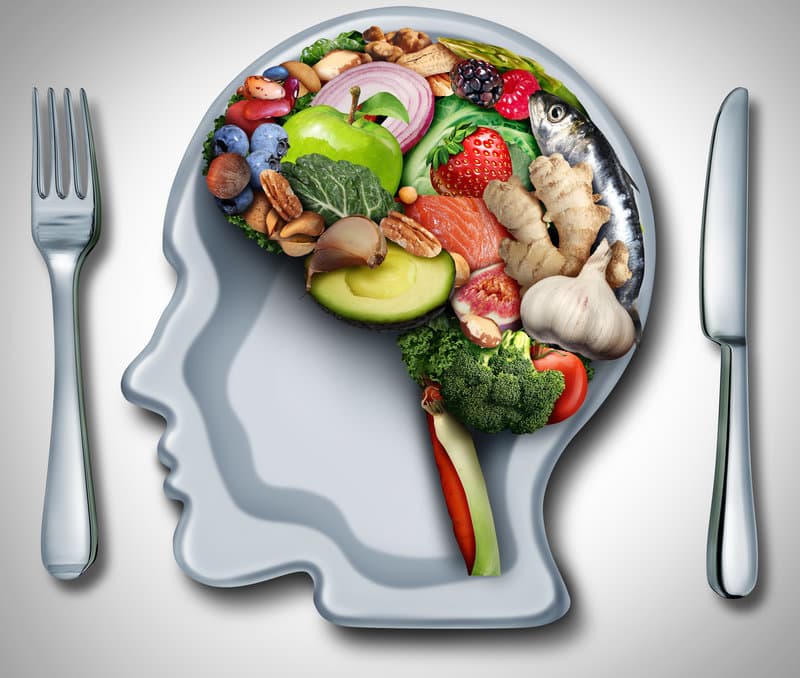
You may think that cognitive decline, dementia, and Alzheimer’s are just unavoidable parts of getting older.
They’re not.
Science has proven that dietary habits over your lifetime play a crucial role in determining whether or not you develop dementia. Research shows that altering your diet can reduce your risk of Alzheimer’s Disease (AD) by as much as 50 percent. According to the latest science, the answer is not found in eating any one particular food. The best results may be seen when supplementing your brain with a combination of nutrients that work together to support and nourish it.
Your brain is approximately 60 percent fat. To function optimally, it needs to maintain somewhere around this level. The low-fat recommendations and diets that were popular in the past may partially be responsible for the decline in brain health we are currently witnessing. Eating brain-healthy foods — especially the right kinds of fats — can have a positive impact on your brain, now and in the future. From brain operation to metabolism to cardiovascular fitness, fat is an essential macronutrient for your entire body.
Specifically, your brain needs essential fatty acids (EFAs) to function properly. Because your body can’t produce them, you have to get EFAs from your diet or supplementation. Omega-3 fats are especially important for improving brain function, reducing inflammation, and sustaining optimal vision. Science found that one Omega-3 fat in particular, DHA (docosahexaenoic acid) enriches and strengthens brain cells in several ways. In fact, some studies found that DHA, in the form of fish oil supplementation, can slow the initial progression of AD and mild cognitive impairment (MCI).
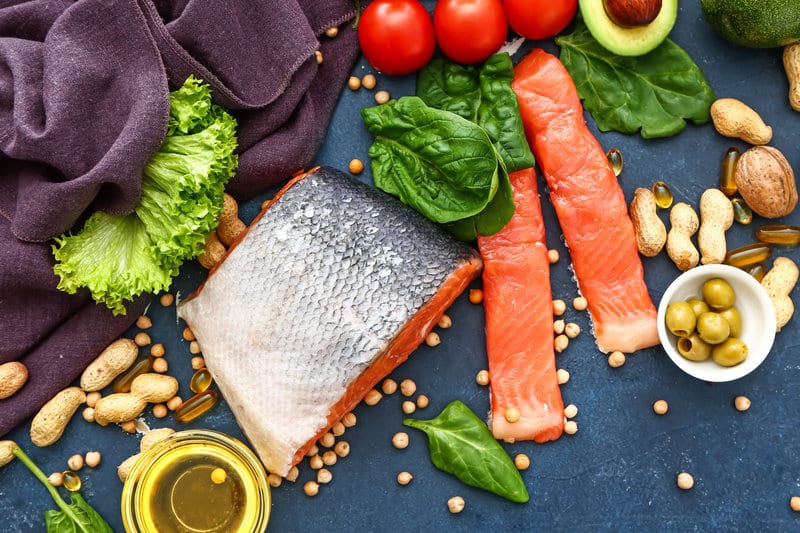
People with Alzheimer’s have an accumulation of amyloid plaques in their brains. Scientists know that these plaques cause neuroinflammation. Inflammation is a central mechanism in Alzheimer’s disease. AD research indicates that foods with anti-inflammatory properties can help counter the condition.
Carotenoids are potent anti-inflammatory compounds found in leafy green vegetables that help protect the brain from inflammation, oxidative stress, and the negative effects of free radicals. Studies show these nutrients to have memory-enhancing effects when ingested daily as well as a positive impact on cognitive function. As many as 40–50 carotenoids are found in the human diet, with the most common being alpha and beta-carotene, lycopene, lutein, and zeaxanthin. Studies show that carotenoid levels are lower in the brains of individuals with MCI and AD.
The Mind Diet was developed by Martha Clare Morris, Ph.D. and her colleagues from Rush University Medical Center. MIND stands for Mediterranean-DASH Intervention for Neurodegenerative Delay. The MIND diet is a combination of the well-known Mediterranean and DASH diets. The Mediterranean diet is the golden standard for brain health and focuses on consuming green vegetables, fruits, fish, and olive oil. The DASH (Dietary Approaches to Stop Hypertension) diet is the recommended dietary guideline to reduce the risk of cardiovascular disease.
Research confirms that the MIND diet reduces the incidence of brain diseases that increase the risk of dementia. The MIND diet lowered the risk of Alzheimer’s disease by as much as 53 percent in participants that followed the diet rigorously. People adhering to the diet moderately well experienced a 35 percent reduction in risk. In a similar study, people following the MIND diet experienced a substantial slowing of cognitive decline during an average of almost five years.
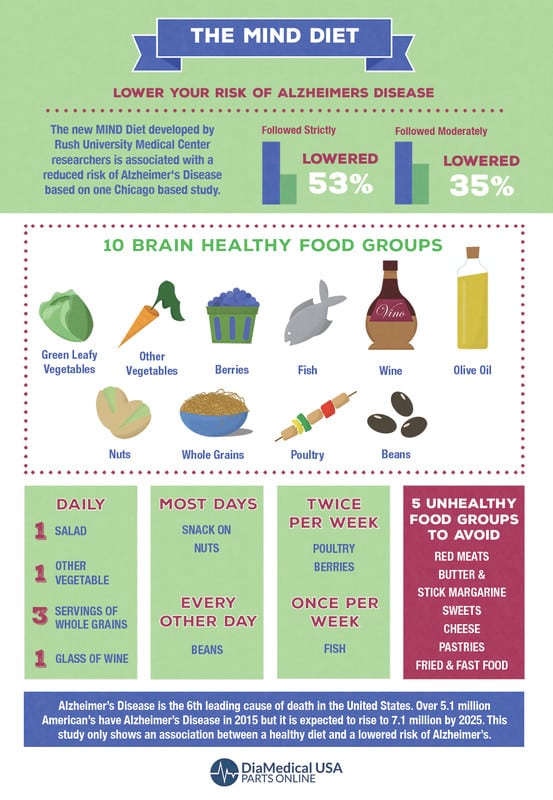
Source: diamedicalusa.com
The MIND diet is good for your brain and heart. After Alzheimer’s disease, the second most common type of dementia is vascular dementia. Experts believe that the same foods that lower blood pressure, reduce cholesterol, and prevent or manage diabetes may also reduce vascular dementia.