For senior adults living with Alzheimer’s or dementia, as well as their caregivers and children, dealing with sundown syndrome can be an exhausting and exasperating experience. Its wide swings of symptoms and behaviors are alarming, and their causes are often difficult to pin down as they vary between individuals and over time. Here are some suggestions that may be helpful to anyone living with sundown syndrome.
Symptoms and Behaviors
Sundown syndrome, which also is called sundowners, is not an illness, but it has symptoms. People with Alzheimer’s or dementia that suffer from sundowners may be:
- Agitated or anxious
- Restless
- Irritable
- Confused and disoriented
- Suspicious
- Demanding
They may also exhibit significant changes in behavior, including:
- Yelling
- Pacing
- Paranoia
- Mood swings
What Causes Sundown Syndrome?
One in five people with Alzheimer’s will experience sundowners, but aside from some general advice, suggested ways to deal with it vary widely and are sometimes contradictory. The syndrome arrives with the earlier darkness of short winter days, so its underlying cause is commonly considered to be a disruption of the brain’s internal clock.
Other causes, alone or in combination, have also been suggested including: fatigue, too much noise in the home, shadows cast in a room, medication interactions, too much activity before bedtime, low blood pressure, dehydration, and low blood sugar.
Managing Sundown Syndrome
- Use light therapy. A full-spectrum fluorescent light or a light box (a specially designed fixture that emits soft light) in a room may help, as may an increase in the wattage of light bulbs in the home. Also closing curtains in the home before the onset of darkness may help hide the fact that light is fading outdoors.
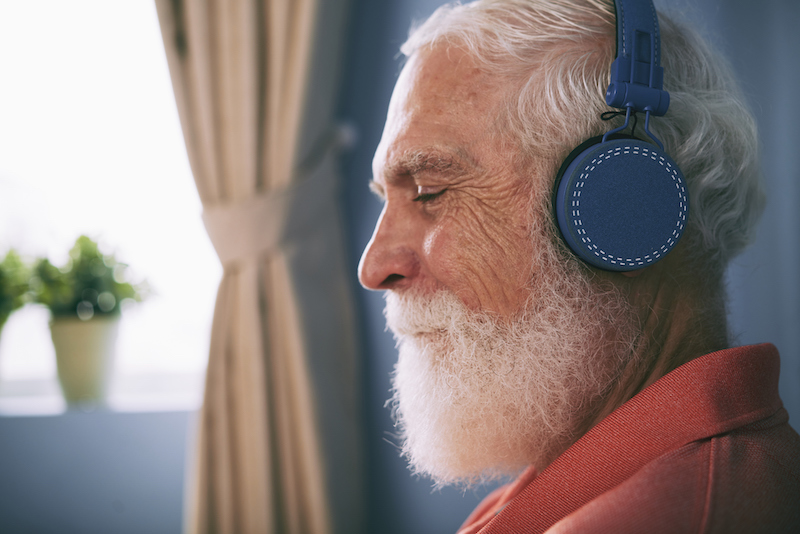
- Play calming music. Soothing music can be a part of an overall strategy of calming the environment, particularly as evening approaches. Recordings of ocean waves and rain have also been used with good effect.
- Maintain a routine. Familiarity increases a sense of security. A number of sources recommend reducing stress and mental fatigue by keeping to a routine. One exception to this could be moving the time for dinner up so that it can be eaten while it is still daylight outside.
- Complete activities early. In keeping with the idea of gliding smoothly and quietly into the evening, exercise, outings, visits, or other activities that may be mentally and emotionally challenging should be completed early in the day.
- Minimize distractions. Are there too many visitors at one time in the home? Seniors with dementia may experience stress in trying to keep up with multiple conversations. Add a radio or TV playing in the background, and the senior may experience sensory overload which can initiate sundowners.
- Redirect thoughts. When anxiety seems to be increasing due to troubling thoughts, change the topic of conversation or activity to something the senior enjoys—a game, TV show, a walk, or looking through a photo album.
- Simplify the sleep environment. The bedroom should have minimal sensory distractions. No TV, or a clutter of items and sounds in room that may overwhelm the senior with input. Keep the room dark and a little cooler than the rest of the house.
- Walk in the sunshine. If it’s a sunny day and your senior loved one is able, a walk would be a good antidote for other gray and gloomy winter days.
- Smoking and alcohol. Both tobacco and alcohol can negatively affect sleep.
- Meal strategy. To improve sleep at night, make the lunch meal larger than dinner. Restrict sweets and caffeine to the morning.
Other Suggestions
- Use of essential oils and aromatherapy
- Massage
- Acupuncture
- Herbs and supplements (consult with the doctor first)
It may not be possible to stop the effects of sundowners completely, but it may be possible to make it manageable for both the senior and the caregiver. However, consult a physician if symptoms persist or deepen, despite everyone’s best efforts.
THE HOTTEST NEW WEARABLE TECHNOLOGY FOR SENIORS: WWW.SHAPEUPFORLIFE.COM
.png)