x




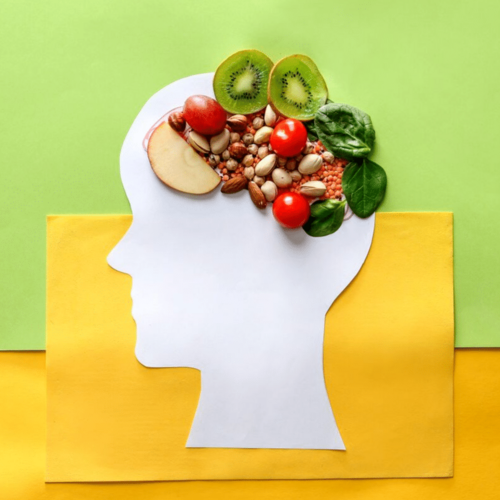
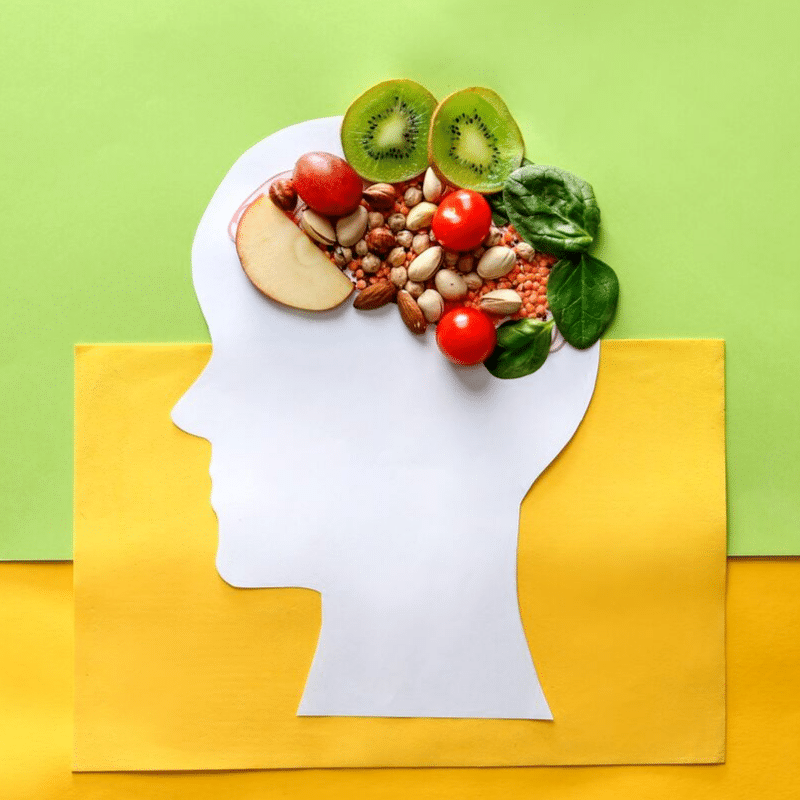
Memory is an active and ongoing process in your brain. It involves chemical and structural changes in brain cells and their connections at the moment you want to store something in your brain and when you want to recall it. Making new memories requires focus at the moment as well as a healthy brain to retrieve years — even decades — later.
Making new memories is also one of the first capabilities to deteriorate with brain decline. Research shows that memory problems can begin as early as the forties and continue to increase with age. However, declining cognition is not just an inevitable part of aging. Keeping your mind sharp is entirely possible, and it’s never too late to improve your brain function.
Your lifestyle habits play a large role in determining whether your mind stays robust or degrades. The foods you eat are also integral in determining whether your brain continues to function at its best. Giving your brain the nutrients it needs to operate optimally can improve your mood, cognition, and memory now and protect it as you age.
Your brain needs polyunsaturated fatty acids (PUFAs) to function properly. Numerous studies have investigated the effects of PUFAs in preventing and or slowing brain decline. The potential for PUFA dietary intervention to prevent neuronal loss and cognitive decline stems from evidence that PUFAs are critical components of neuronal cell membranes. Maintaining membrane fluidity is essential for synaptic function and neurotransmitter communication within neural networks in your brain.
One of the most important categories of PUFAs are the long-chain omega-3 fatty acids. Among 11 different types, the three most important are ALA, EPA, and DHA. The most common omega-3 fatty acid in your diet is alpha-linolenic acid (ALA) is and mostly found in plants. ALA needs to be converted into EPA or DHA for your body to use it for something other than energy.
Eicosapentaenoic acid (EPA) and docosahexaenoic acid (DHA) are fundamental components of all the cell membranes in your body. DHA facilitates brain cells making connections or synapses which is crucial to memory storage and recall and overall cognition.
Because your body produces very little on its own, you have to get PUFAs from your diet. Both EPA and DHA are plentiful in seafood, including fatty fish and algae. EPA concentrations are highest in herring, salmon, eel, shrimp, and sturgeon. Grass-fed animal products, such as dairy and meats, also contain small amounts of EPA. Some foods are fortified with DHA.
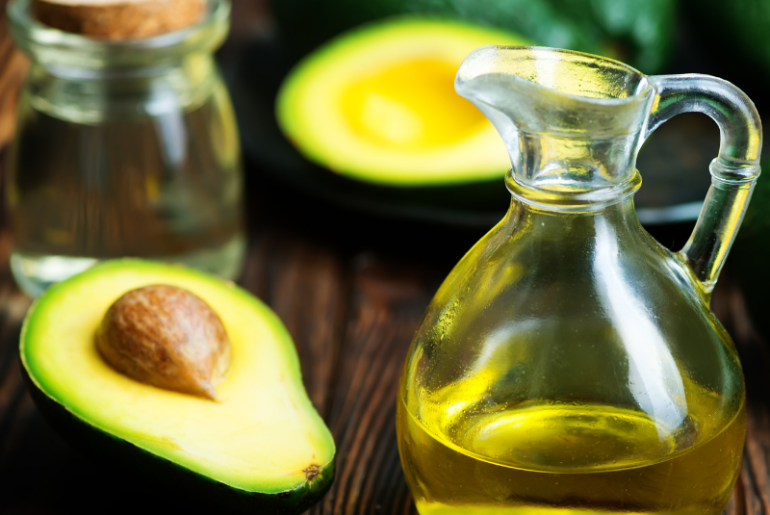
Antioxidants are molecules that neutralize free radicals, unstable molecules that can harm your cells and lead to oxidative stress. Oxidative stress can cause free radicals to attack brain cells resulting in oxidative damage. Your brain is particularly susceptible to oxidative stress damage. Studies show that antioxidants help to counteract the unstable molecules that comprise free radicals, counteracting the negative effects of oxidative stress.
While there are many antioxidants, a select few target the brain. Some of the most well known include carotenoids and flavonoids, as well as key vitamins and minerals. Fruits and vegetables contain antioxidants. In general, the brighter the color, the higher the level of disease-fighting antioxidants in food.
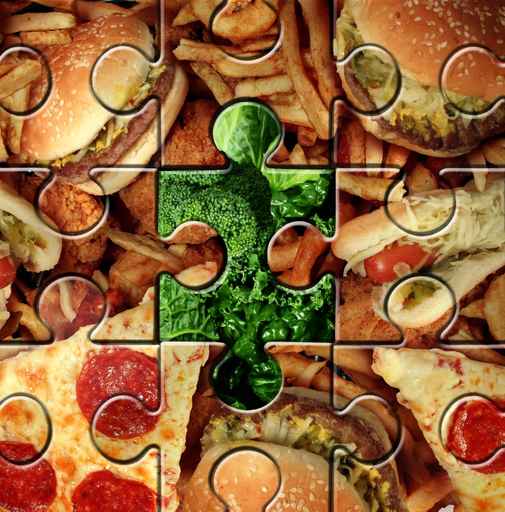
Research shows that correcting the diet is a viable strategy for enhancing cognitive abilities, protecting the brain from damage, and counteracting the effects of aging. However, numerous studies indicate that over 90 percent of Americans do not get the recommended daily vitamins and minerals they need from their diets. According to the Office of Disease Prevention and Health Promotion, across almost every age and sex group, U.S. eating patterns are too low in vegetables, fruits, whole grains, dairy, seafood, and oil and too high in refined grains, added sugars, saturated fats, and sodium. Eating this way primes the body for disease and illness — especially the brain.
Even the healthiest eaters may still not be getting the nutrition they need from their diets. Healthy food requires healthy soil. Because of soil depletion, each successive generation of vegetable is a little less good for you than the one before. The Scientific America article, “Dirt Poor: Have Fruits and Vegetables Become Less Nutritious?” said this:
A Kushi Institute analysis of nutrient data from 1975 to 1997 found that average calcium levels in 12 fresh vegetables dropped 27 percent; iron levels 37 percent; vitamin A levels 21 percent, and vitamin C levels 30 percent. A similar study of British nutrient data from 1930 to 1980, published in the British Food Journal, found that in 20 vegetables the average calcium content had declined 19 percent; iron 22 percent; and potassium 14 percent. Yet another study concluded that one would have to eat eight oranges today to derive the same amount of Vitamin A as our grandparents would have gotten from one.”
A nutrient-poor diet affects mental and brain health at every age. Unhealthy diets increase the risk of psychiatric and neurologic conditions. In older adults, poor diet is linked to brain shrinkage and an increased risk for Alzheimer’s disease and dementia.
It’s estimated that nearly 500,000 new cases of Alzheimer’s disease will be diagnosed in 2019 in the United States. Every three seconds, someone in the world develops dementia. When you combine those statistics with the information about the typical diet lacking in vital nutrients and the fact that most of us don’t get enough sleep, exercise, or sunlight, it can make getting older pretty scary. To adopt a brain-healthy lifestyle and supplementation with a product specifically designed to protect and preserve your brain’s health becomes a smart option. Think #Siesmic6 For Your Brain Health