x




According to a study by the Natural Resources Defense Council, 30 to 40% of all food produced in the U.S. is wasted, which ends up costing approximately $165 billion every year. One of the biggest contributors to the food waste problem is the restaurant industry, and all of that waste can hurt your bottom line. By setting goals for your restaurant and making some small changes such as taking inventory, changing your food orders, and using your food creatively, you can have a major impact on your profit margin.
Reducing food costs and waste starts with tracking and monitoring the food coming into your restaurant. Many restaurants order food in bulk shipments, but it can be difficult to use all of that food before it spoils. To reduce spoilage, here are some steps you can take:
Calculating food costs in a restaurant can be a time consuming task, but staying on budget and calculating your finances could help you save time, money, and food in the long run. Some things to take into consideration when calculating a food cost percentage is your inventory, the cost of goods sold (COGS), and food cost percentage. These factors can help you stay on budget and track your profit and loss statement.
The best way to calculate your actual food cost is to take your COGS divided by your food sales, multiplied by 100. This will you give you a result as a percentage.
A healthy food cost percentage is between 25 and 35 percent. But, do not fret if your percentage is higher than this. If you are spending more on food, you may not be spending as much on labor or rent – which all evens out in the end.
When calculating your inventory, you should be tracking this at a consistent time of the day. For example, it is best to calculate your inventory at the beginning or end of each day. This helps you keep your numbers consistent when calculating inventory and your food cost percentage.
Checking your inventory on a regular basis can give you an idea of how and at what rate your food is being used or wasted. For example, if you notice that you have salami that is going unused and spoiling, change your food order to a lesser amount to reduce the food waste. Conversely, if you’re running out of mozzarella cheese before your dinner service even starts, you need to increase your food order.

Once you have an idea of how much food your restaurant uses at a given time, you can work with your suppliers to lower your food costs. If possible, shop around and see what competing suppliers are willing to offer you. If you have a good relationship with your current supplier, ask them for a discount or to match prices with their competitors.
Another option would be to work out a plan where you buy in bulk but have the order sent in several shipments, rather than all at once. Ordering food in bulk can be cost-effective, but it can lead to food spoiling, which negates any money you would have saved by buying in bulk. Having your shipments sent in several installments ensures that you’re always serving fresh food, reduces the amount of food wasted, and saves you money.
If you’re not able to work out a deal with your supplier to buy in bulk, consider joining a group purchasing organization. Group purchasing organizations pool the resources of many small restaurants together to get the best quality goods while keeping costs low. The combined capital of many individual restaurants is significant, which gives the organization considerable leverage when bargaining with suppliers, ensuring that you’re getting a good deal.
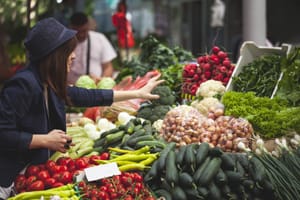
When purchasing food, there is also the option to cut out the middleman and go straight to the source: local farms and farmers markets. Many times, food that is shipped from across the country is picked before it’s fully ripe and flash frozen, which can have a negative effect on the taste. Buying locally ensures that you’re getting the freshest products possible while also supporting your local economy.
When it comes to food orders, the harder you’re willing to work, the more you can save. Below are some ideas on how to save money, while also making quality food.
Controlling the portions of your food is an excellent way to reduce waste. Monitor how much food is being thrown away. If your customers can’t finish a dish consistently, the portion is too big. Use restaurant portion control tools like portion scales and portion spoons to serve the proper amount of food to your customers.
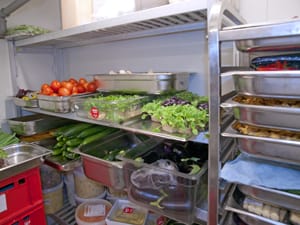
The first in, first out method is pretty straightforward: use the first ingredients that you put into your pantries and refrigerators first. This forces you to use the oldest food first, ensures that you’re always stocked with fresh ingredients, and helps prevent food from expiring without being used.
Daily specials can be an effective tool for reducing waste in your kitchen. When you notice food that has been in your pantry for a while, come up with a recipe that features or uses that ingredient, and add it to your daily special list. You can also coordinate with your front-of-house staff to encourage customers to try the daily special, allowing you to clear out your stock while also making a profit.
It is important that your staff knows the price of your food and how their actions can affect your bottom line. During the food prep process, there can be a lot of unnecessary waste. The cost of that waste, while it may seem insignificant at the time, can compound to become a major loss. So if your staff is knowledgeable about how much the food costs and how to utilize it properly, they will be more careful when preparing food and portioning dishes.
In the cooking process, some by-products and food waste is inevitable, but some chefs are finding creative and innovative ways to incorporate those by-products into their dishes. Here are a few ideas for using leftovers wisely and reducing food waste.
Food waste can have a huge impact on the bottom line of your restaurant. But through negotiating with suppliers, buying locally, serving reasonable portion sizes with restaurant portion control tools, and using your ingredients creatively, you can reduce food costs in your restaurant.
.jpg)