x




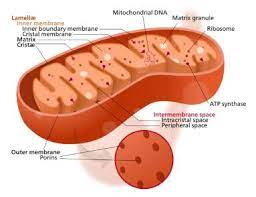
Our mitochondria are the powerhouse of the cell. They produce 90% of our cell’s energy needs. Without mitochondria, we would not be the complex organisms we are today. The energy they produce is essential to all of our bodily functions on the cellular level.
Here are the main things you can do to support your mitochondrial health in order to help counteract the cellular effects of stress and time.
Exercise demands a lot of cellular energy, and your mitochondria are responsible for creating these energy stores. Although exercise puts stress on your mitochondrial system, increasing your energy demand from exercise could actually help your mitochondrial health.
A study by David A. Hood from York University shows that exercise can promote mitochondrial biogenesis.
Mitochondrial biogenesis is a self-replication process in which your mitochondria clone themselves to meet the energy demand. In other words, a workout stimulates your body to create more mitochondria in your skeletal muscle cells.
The more mitochondria you have, the more efficient your cells operate which promotes positive effects on your overall health.
During the metabolic process to create cellular energy, mitochondria produce a byproduct—reactive oxygen species (ROS) or better known as free radicals.
Reactive oxygen species, or free radicals, are just what their name implies—highly reactive. They swiftly interact with cellular molecules, chemically altering the composition of the molecules and ultimately changing their function.
When your body needs a lot of energy, your mitochondria kick into overdrive, generating even more free radicals.
Under normal circumstances, your body naturally produces enough antioxidant enzymes to neutralize most free radicals.
But if your body produces too many free radicals and an insufficient supply of antioxidants to counteract them, an imbalance—called oxidative stress—allows free radicals to damage your cells, giving rise to disease and theoretically speeding up aging.
Your cells generate excess free radicals whenever you drink too much alcohol. The influx of alcohol can throw your cells into a state of metabolic stress, forcing them to shift into overdrive to metabolize those extra molecules.
These foods spike your blood sugar and contribute to your cells generating excess free radicals. A study published in the Journal of Lipid Research states that a ketogenic diet can decrease the number of free radicals created by the mitochondria.
Research shows that viral infections can lower your NAD+ levels, a critical coenzyme for mitochondrial health, by up to 80% as your body expends immense energy to try to fight off the foreign invader.
A study published in Experimental Gerontology pronounced several benefits fasting has on your mitochondria, including reducing free radicals.
It should come as no surprise that the best way to combat “reactive oxygen species” is to consume their counterpart, antioxidants.
Antioxidants such as alpha-lipoic acid and coenzyme Q10 are key to protecting your mitochondria from free radicals.
These can often be found in regular food. Diets rich in colorful fruits, vegetables, and other foods containing high levels of vitamin E, vitamin C, and other antioxidants lower the risk of oxidative cell damage.
Typically a good rule to follow is “the more colorful the diet, the better”.
A study published in the Journal of Physiology shows that Omega-3 can help refortify your mitochondrial membranes.
A stronger mitochondrial membrane means that your cells are better protected against all the damage free radicals could potentially do within the mitochondrial walls.
Foods such as fish, avocados, nuts, and seeds are rich in omega-3.