x




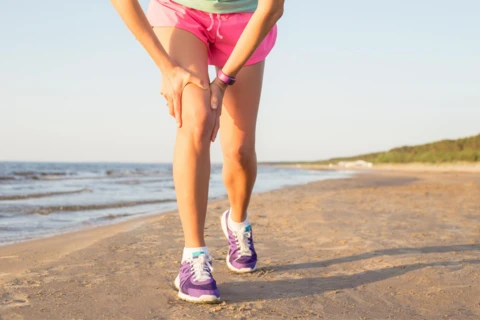
We’ve all experienced it. It’s the agony of getting up out of your chair after leg day, or even the stiffness in your forearms after an especially long afternoon of gardening. Suddenly, you’re struggling with the simplest of tasks. We’re talking about DOMS (delayed onset muscle soreness) and it affects peoples of all fitness levels. When you’re a performance athlete, DOMS can especially cramp your style.
But if you think the best way to deal with the pain is to reach for that bottle of ibuprofen, think again. You might be better offer reaching for that bottle of kefir. Surprised? Here’s why.
High-intensity exercise can cause tiny little tears in your muscle fibers. Your immune system attempts to heal the micro-damage by increasing inflammation, and Bam! You have DOMS. The only cure for DOMS is to give your body the time it needs to heal itself. And while that is perfectly fine for the average person, it can force athletes to slow down their training to avoid serious injury.
For those who take performance seriously, DOMS can alter joint range, reduce power and torque, and put undue strain on tendons and ligaments. This is why athletes and trainers are constantly seeking fresh ways to recover faster, from wearing compression garments to medicating with NSAIDs (non-steroidal anti-inflammatory drugs) like ibuprofen.

While it may seem like common sense to treat inflammation with an anti-inflammatory, NSAIDs suppress prostaglandin, the hormones responsible for both inflammation and muscle repair.
Studies on endurance athletes show that not only did NSAIDs fail to prevent or reduce DOMS in the test group, but those who medicated exhibited higher markers for inflammation and cell damage than those who didn’t.

We often associate physical activity with positive health effects, and for good reason. It lowers the risk of disease and stroke while improving sleep and boosting mood. How much you move can directly affect every aspect of your life.
High-intensity training, however, puts stress on the body. So athletes have high nutritional requirements, not just because they’re burning through more calories, but to offset oxidative stress. They need carbs to fuel activity and protein for stamina and growth. That puts a heavy burden on the digestive system, which can throw your microbiome off balance.
A healthy gut can improve digestion by increasing the bioavailability and absorption of nutrients that are vital to muscle repair and keeping inflammatory responses in check.
So the next time you feel the ache of a strenuous workout, consider how your microbiome is doing and whether it’s time to supplement with a probiotic for better athletic resilience. While initial research shows that probiotics exhibit statistically significant increases in immunity and overall health in athletes, the medical community agrees that it’s a case-by-case basis depending on the needs and tolerance of the person. Probiotic supplementation should begin at least two weeks before a major training cycle to allow time for the bacteria to colonize.
.png)