x





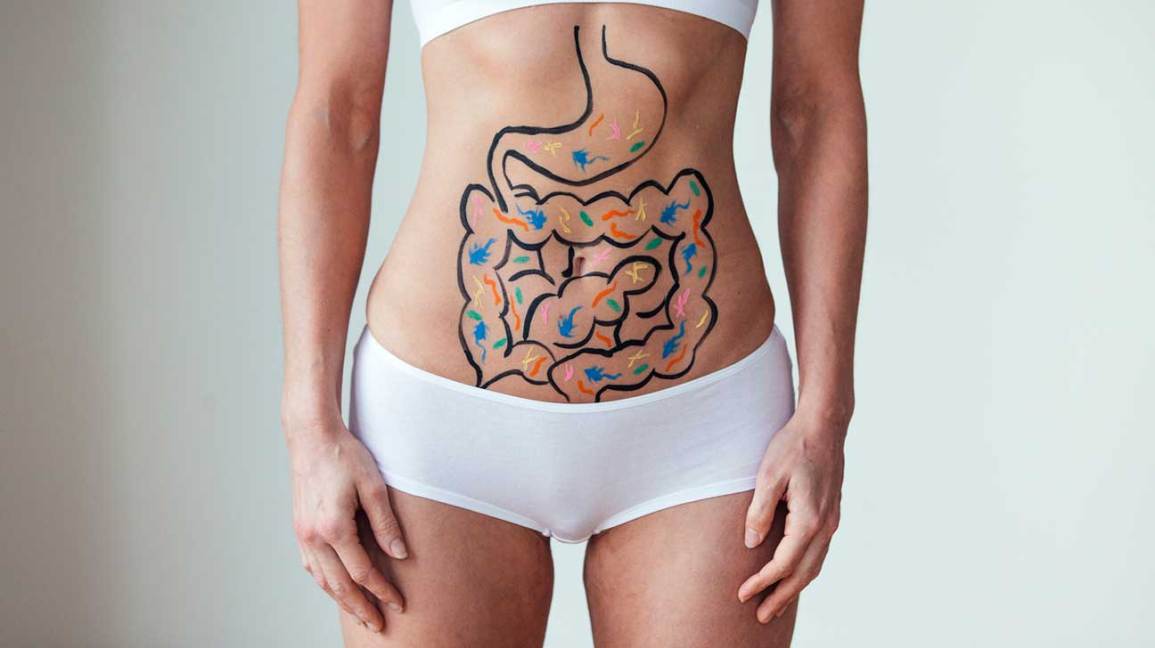
Your body contains trillions of bacteria.
The majority of these bacteria are located in your intestines.
Gut bacteria play several important roles in your health, such as communicating with your immune system and producing certain vitamins.
Your gut bacteria can also affect how different foods are digested and produce chemicals that help make you feel full. As a result, they can affect your weight.
This article explains how your gut bacteria affect your weight and what foods promote healthy gut bacteria growth.
What Are Gut Bacteria?
 Share on Pinterest
Trillions of bacteria and microorganisms live on your skin and in your body
In fact, there are likely more bacterial cells in your body than human cells.
It is estimated that in a 154-pound (70-kg) man, there are around 40 trillion bacterial cells and only 30 trillion human cells
Most of these bacteria live in a part of your large intestine called the cecum.
There are hundreds of different types of bacteria in your intestines. While some may cause disease, most of them carry out essential tasks to keep you healthy
For example, your gut bacteria produce certain vitamins, including vitamin K, and communicate with your immune system to help your body fight off infection
They also influence how you digest certain foods and produce chemicals that help make you feel full. Therefore, your gut bacteria may influence your weight
SUMMARYYour body contains more bacterial cells than human cells. These bacteria are primarily located in your intestines and carry out essential tasks to keep you healthy.
Since your gut bacteria line your intestines, they come into contact with the food you eat. This may affect what nutrients you absorb and how energy is stored in your body.
One study examined the gut bacteria in 77 pairs of twins, one of whom was obese and one of whom was not.
The study found that those who were obese had different gut bacteria than their non-obese twins. In particular, obesity was associated with lower gut bacteria diversity, meaning there were fewer types of bacteria in the gut
Other studies have shown that if the gut bacteria from obese people are put into mice, the mice gain weight. This suggests that gut bacteria could affect weight
This may be due to the effect of bacteria on the digestion of different foods.
For example, humans can’t digest fiber but certain gut bacteria can. By digesting fiber, these gut bacteria produce a number of chemicals that benefit gut health and possibly promote weight loss
For example, a number of studies have shown that people with high fiber intake have a lower weight, which may be due to the role that gut bacteria play in digesting fiber
A recent study found that the ratio of two types of bacteria in your intestines may determine how much weight you lose when given a particular diet.
These two bacteria are Prevotella, which digests fiber and carbohydrates, and Bacteroidetes, which people who eat more animal protein and fat have more of
In this study, 62 people were given a high-fiber, whole grain diet for 26 weeks. Those who had more Prevotella in their intestines lost 5.1 pounds (2.3 kg) more body fat than those with more Bacteroidetes in their intestines
Your gut bacteria also digest certain antioxidants found in plants known as flavonoids, which may help prevent weight gain
Finally, your gut bacteria can influence how dietary fats are absorbed in the intestines, which may affect how fat is stored in the body