x




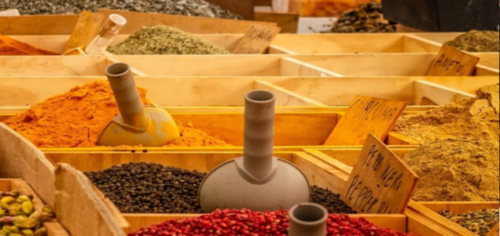
Simply put, herbs are medicine. Virtually all herbs have positive medicinal effects — some aid digestion and nutrient absorption, while others have antioxidant, antiviral, antibacterial, antifungal, and anticancer properties. To put their protective and tasty benefits to work for you, use more spices and herbs at every opportunity. There are several ways to incorporate more herbs into your diet, including:
Spices like cinnamon, ginger, turmeric, cayenne or peppermint are always a great addition to any morning beverage of choice – whether it be juice, golden milk, tea or coffee! A little can go a long way for flavor and health, alike.
Breakfast is a great time to add a medicinal touch into your day. Adding spices like dill, cumin, black pepper, red pepper, paprika, oregano, parsley, garlic or dill to a classic breakfast egg dish or tofu scramble is a great option!
If you frequently snack on healthy dips like guacamole, babaganoush, and pesto – sneaking in extra spice is a great way to up your intake. If you’re keen on heat, then you can’t go wrong by adding paprika, chile powder, or cayenne. Other spices for thought include: chives, dill, garlic, sumac, or caraway seeds.
To level-up your go-to smoothie, don’t be shy with herbs. Some great herbal additions include: basil, parsley, cinnamon, ginger, turmeric, peppermint and cilantro.
Baking with spices goes far beyond the classic and beneficial additions of cinnamon, allspice, vanilla, ginger, and nutmeg. You can also add in saffron, cloves, star anise, cardamom, lavender, rose, coriander and mahleb.
Get outside of your comfort zone! It’s true that oregano, thyme, rosemary, basil, cumin, coriander, ginger, curry, paprika, red pepper, garlic and parsley are wonderful in roasts. However, dill, sumac, lemongrass, cinnamon, nutmeg and even cloves are also a tasty but lesser-thought-of add!
Similarly, these spices all go great mixed in soups and salads, or even as a soup topper. Also think: allspice, bay leaf, sage and fennel.