x




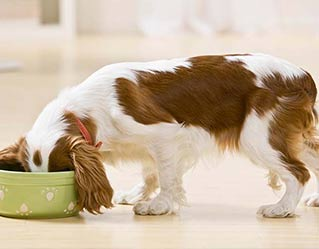
Many of us don’t realize that our dog is overweight, because the weight gain is easy to overlook as it often takes place gradually over time. Even though it’s happening right in front of you, a few ounces here and there might not be immediately noticeable. However, they can really add up to some serious health issues.
Even if you’ve noticed your dog is carrying a few extra pounds, you may not be aware how much it can affect his health. Being as little as 20% overweight can greatly increase the risk of your dog developing serious health conditions such as diabetes mellitus, arthritis, urinary stones or heart disease.
Plus, excess weight can not only have a negative impact on your dog’s general wellbeing, happiness and overall quality of life, it can also significantly shorten his life expectancy compared to a healthy-weight pet.
our dog may look just fine to you, but ideal weight varies by size and breed. Your veterinarian will be able to tell you what your dog’s ideal weight is. Between check-ups, you can still assess if your dog is maintaining a healthy weight. Place your hand on his side, and if his ribs are hard to feel or even impossible to feel, he’s likely overweight.
Weight gain is the result of an increase in body fat. This is usually caused by eating too much, especially when combined with lack of exercise. But there can be other contributing factors, too.
Older dogs are less active, have less energy, and require fewer calories, which is why nutrition formulated for his age is vital to his weight and overall health.
Some dog breeds are more likely to gain weight
Clinical studies have shown that the basic metabolism of neutered dogs is lower, and they require few calories
Very occasionally weight gain is associated with a medical disorder that may require specific treatment
Dogs with unlimited access to food understandably eat more than they need — this includes table scraps from family members
Many commercial foods are loaded with salt and fat, which can improve taste but make your dog want to gorge
As well as feeding your dog the correct nutrition, promoting regular exercise will help the process of healthy weight loss. Here are a few workout tips for exercises you and your dog can do together.
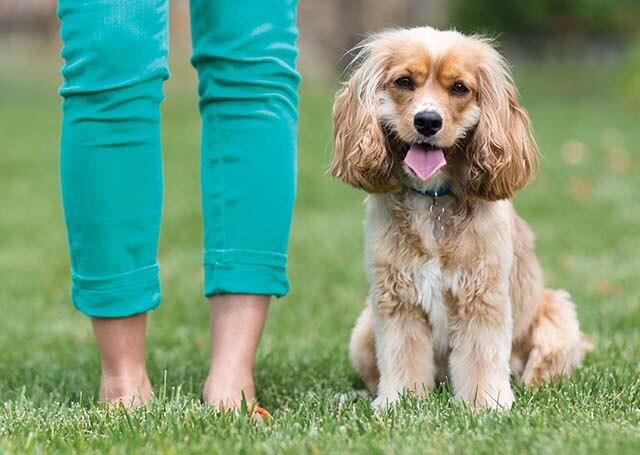
Take your dog for a walk on a leash. Throughout the walk, mix in some intervals of jogging, running or high stepping to help increase your heart rate and burn calories for both you and your dog.
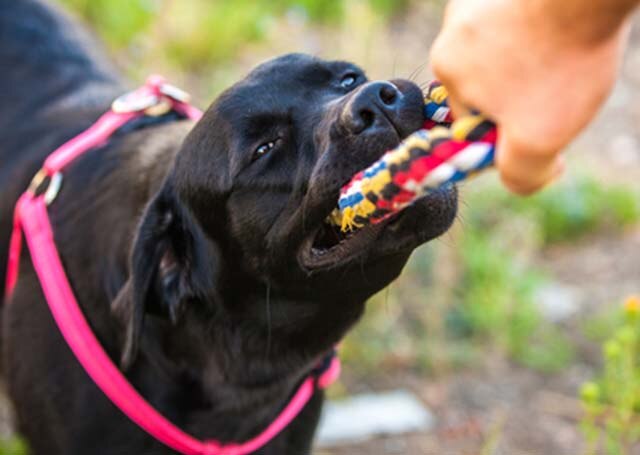
Stand with your legs spread shoulder width in preparation to do a leg squat. As you descend, tap your dog with his favorite toy. As you rise, lift the toy above your head to encourage your dog to jump after it. This can be done in your home and outside as well.
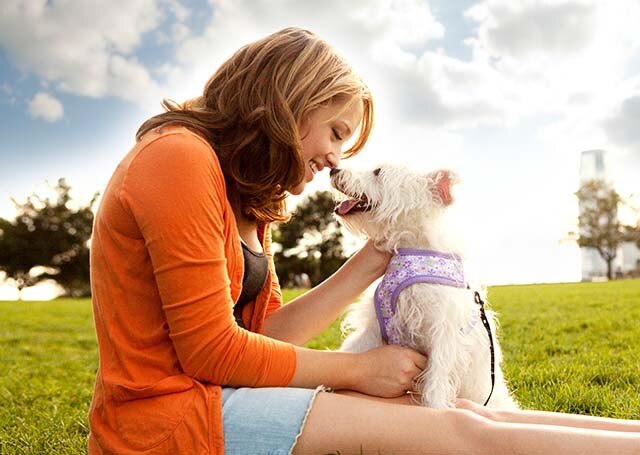
Just like you did with your friends as a kid, play tag with your dog at your local dog park, in your backyard or even inside your house. You’ll both get a great cardio workout as your dog tries to chase you down.
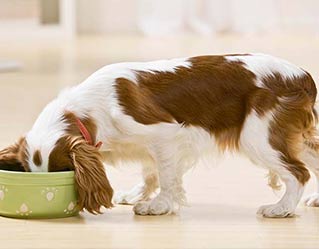
The food your dog eats directly affects his overall health and well-being. Balanced nutrition is an essential part of an active, healthy lifestyle. Eating too much dog food, snacks or people food can increase weight gain.
Proper nutrition plays a very important role in treating an overweight dog. Ask your vet about Hill’s line of weight management foods to help your dog lose weight and maintain a healthy & active life.