x




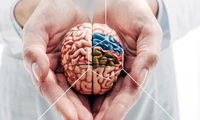
Understanding the different parts of your brain can help you better understand how the brain works. By better understanding how the brain works, you develop a better understanding of how to take care of your brain. Today, we will be talking about the different parts of the brain and how they work together to keep you healthy.
Your brain is a complicated piece of machinery. Not in the literal sense, obviously, but your brain works the same way a machine does. There are many different moving parts, each part working in unison with other parts to keep things running 100%. While there are many parts, the three main parts are the ones you may be familiar with:
Most parts in the brain fall into these three main parts.
The cerebrum is the largest part of the brain. It is located on the outer part of the brain, and it controls reading, thinking, learning, speech, emotions, and planned muscle movements like walking and running. On top of all those things, it also controls vision, hearing, and the rest of the five senses.
The two cerebral hemispheres, the left, and right, both serve different purposes. The right half of the cerebrum controls the left side of the body, while the left half controls the right side of the body. There are different sections in each hemisphere of the cerebrum. These sections are known as lobes.
The four different lobes in the brain all serve different purposes. While they each do different things, they all work together at certain points. Each of these lobes has very complex relationships between the lobes and between the two different hemispheres. What are the four different lobes?
Again, these lobes all work together to help the brain function at 100%.
The hypothalamus is one of the most important parts of the brain. It plays a significant role in controlling bodily functions, such as releasing hormones from the pituitary gland. It is located on the undersurface of the brain, just below the thalamus and above the pituitary gland, attached by a stalk.
Your hypothalamus works hard to keep your body balanced. It reacts to signals from the internal and external environments, including body temperature, hunger, feelings, and blood pressure. By using this information, the hypothalamus can enact changes throughout the body to help correct any imbalances.
The cerebral cortex is connected with other subcortical areas of the brain and is involved in multitudinous brain functions. The three different regions of the cerebral cortex - the sensory, motor, and association areas - all work together to achieve these functions.
The sensory areas get information relating to sensation - think touch-related feelings - and relays this information. Motor areas are involved in the initiation of movement and are usually found in the frontal lobe. Association areas integrate information learned from other parts of the brain and help facilitate cognitive processes like language, artistic creation, and decision-making.
Don’t get the cerebellum confused with the cerebrum! The cerebrum takes up 80% of the weight of the human brain, while the cerebellum takes up the rest. Your cerebellum receives information from the sensory systems, the spinal cord, and other brain parts.
The cerebellum helps voluntary coordinate movements like posture, balance, coordination, and speech. Damage to the cerebellum can lead to a lack of balance, slower movements, and tremors. If you think you may have suffered cerebellum damage, you must seek professional help as quickly as possible.