x




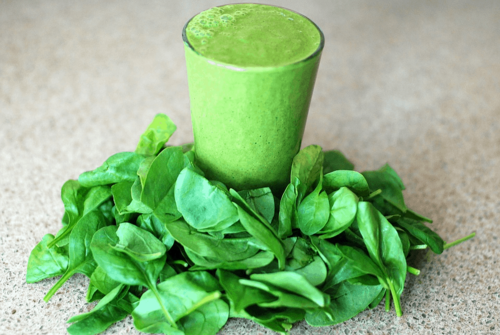
Spinach is a healthy vegetable that is also rich in folate and vitamin B12, both of which have been shown to decrease the risk of dementia. In those people who developed Alzheimer’s disease, scientists ran tests and discovered high levels of homocysteine. These high levels are associated with low intake of B vitamins, so ingesting more of them will help your body fight the onset of this crippling condition. Spinach has several of the B vitamins, and because these vitamins occur naturally in spinach, they are absorbed much better than from supplements. Pregnant women in particular need to consume plenty of spinach because the folate (one of the B vitamins) can help prevent many congenital disabilities.
If you struggle with depression, anxiety, and several other mental health challenges, you probably struggle to hold onto information and focus. The nutrients in spinach help to counteract these problems. What’s more, this vitamin- and mineral-rich superfood has so many healthful compounds that it can naturally boost your mood and make you feel more positive. Isn’t that what antidepressants are supposed to do? Exactly. Spinach is like a natural antidepressant. If you have a hard time with the thought of eating spinach every day, try some recipes for green smoothies. These tasty drinks have so many fruits in them that you may not even taste the spinach at all. Or you can try spinach and artichoke dip (just don’t overdo the chips).