x




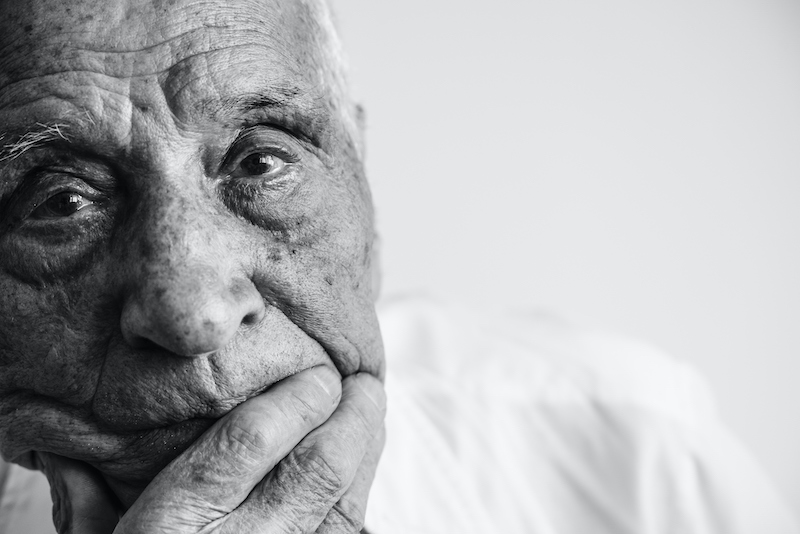
Mental health issues affect a large percentage of the senior adult population. According to the Centers for Disease Control and Prevention (CDC), an estimated 20 percent of people age 55 years old or older experience some type of mental health concern.
The CDC also reports that depressive disorders (among the most common disorders in senior adults) often go unrecognized, untreated, or under-treated.
If mental health disorders in senior adults remain untreated, the results can potentially include substance abuse, increased mortality, a decline in the senior’s quality of life, diminished ability to function, and an increased risk for suicide.
Seniors face many challenges to their mental health:
These challenges are often coupled with a reluctance on the senior’s part to admit or discuss mental health problems and seek treatment.
Depression and dementia are the two most common mental health disorders among seniors.
Clinical depression is not merely a temporary sadness or an occasional down feeling. It is a more severe form of depression. The National Institute of Mental Health defines clinical depression as a mood disorder that causes distressing symptoms that affect how you feel, think, and handle daily activities. Clinical depression can take many different forms, but to be diagnosed, symptoms must be present most of the day, nearly every day for at least two weeks.
Symptoms can include:
The good news is that there are highly effective treatments for depression, even late in life.
The Alzheimer’s Association defines dementia as a general term for loss of memory, language, problem-solving, and other thinking abilities that are severe enough to interfere with daily life. Alzheimer’s is the most common cause of dementia.
The signs of dementia can vary greatly from person to person and will typically become more severe as the disease progresses. Some symptoms are:
Although no cure exists for most progressive dementias like Alzheimer’s, there are some medications that may temporarily improve symptoms.
In addition to common mental health issues, it’s important to understand other mental disorders, such as personality disorders. There are 10 types of personality disorders. Symptoms include:
An estimated 10 percent of older adults suffer from personality disorders. Certain types of psychotherapy are effective in treating these disorders.
Anxiety disorders are a common mood disorder among seniors and can appear in tandem with depression. Excessive and uncontrollable worry, edginess, chronic fatigue, irritability, poor sleep, and tense muscles are symptoms of an anxiety disorder.
Even though people are communicating with their senior loved ones by phone, email, social media, or video chat during the pandemic, family members should keep an eye (and ear) out for the following symptoms:
Diagnosing a mental illness should be done by a qualified professional. However, family members can provide valuable information based upon their observations of their loved one, including whether not he or she is taking medications as prescribed.
A conversation about mental health and aging becomes necessary when the senior’s mental health issues become debilitating or even dangerous. They may resist the idea of treatment, and you may need to end a discussion that becomes too intense, but you will have to revisit it if symptoms persist.
THE FUTURE OF SENIOR HEALTH IS HEALY MICORCURRENT MEDICINE: WWW.LIFESTYLEWEARABLE.COM
.png)