x




Hartford, Conn., June 19, 2014 – The most resilient adults in their 40s, 50s and 60s are more likely to cope with stress by being physically active and having strong social connections, compared with those less resilient. The Hartford Center for Mature Market Excellence and the MIT AgeLab Resilience in Midlife study looked at life transitions that people in their 40s, 50s and 60s experience and how they remain resilient.
“Resilience is particularly essential in midlife, when we may be adapting to major life changes,” said Jodi Olshevski, gerontologist and executive director of The Hartford Center for Mature Market Excellence. “We found the most resilient adults have a strong sense of self-efficacy or the belief that they are able to manage through difficult transitions.”
The study explored the concept of resilience, the capacity to positively adjust to difficult life experiences, and was comprised of focus groups, and a survey of adults ages 40-69, which included the Resilience in Midlife (RIM) scale[1].
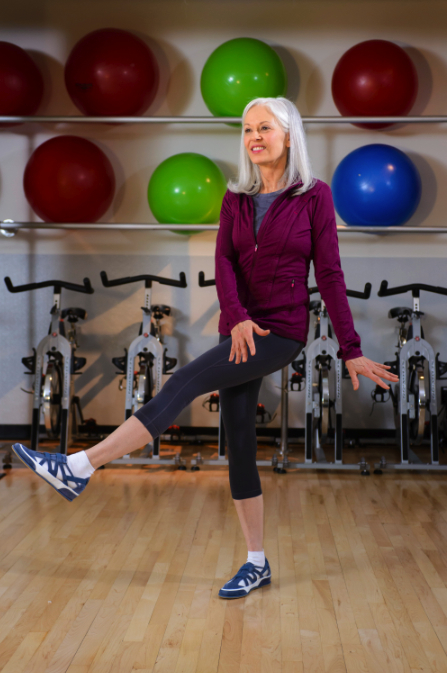
Participating in entertainment activities and hobbies is the most common way that all adults in the study cope with stress. However, the most resilient adults are more likely to participate in physical activity than less resilient adults (70 percent versus 42 percent).
Social connections and support are also common among the most resilient people. Sixty percent of the most resilient adults talk to or spend time with friends as a way to cope with stress, compared with 35 percent of the less resilient individuals.
Ninety-four percent of the most resilient people reported that they are very or somewhat happy, compared with only 32 percent of the less resilient people in the survey. Thirty-four percent of the most resilient people reported that they are not stressed at all, compared with six percent of the less resilient people in the survey.
“This is consistent with other research on aging and well-being,” said Joseph F. Coughlin, Ph.D., director of the MIT AgeLab. “The results point to the on-going need to re-evaluate life stages – to see midlife and aging adults as resilient in the face of life, not worn-out or worn down by it.”
The most common types of stress that people in midlife are currently experiencing are related to finances and expenses (53 percent), health of yourself or others (40 percent), and changes related to aging (34 percent).
Overall, people in their 60s reported higher levels of resilience, compared with people in their 40s and 50s. Building resilience over a lifetime is important,” said Olshevski. “Carving out time to take care of yourself by being physically active and socially connected in the midst of life transitions is an important part of building resilience over a lifetime.”
.png)