
x
Black Bar Banner 1
x

NEW: About Me Look — turn on a full-width dark About Me from your profile Configuration (Profile Page Upgrade). The Academy, profile feeds and Media Feed now read like the News Feed. See Subscriptions »

New: AI Blog Autopilot — free for the next 30 days. Switch it on by November 15th »

NEW: Smart Mail is live — free for every member. Send broadcasts, build lists and run autoresponders. Open Smart Mail »

Training: Lesson 14 in Getting Started with MarketHive. Watch it now »

A+ A−
Ads by Markethive - View All
The Blog Feed
The Blog Feed
» Blog Feed
Write a New Blog Post
Search Blog Status
Most Viewed
Most Recent
Most Shared
Alphabetical
Markethive Blog (default)
My Blog Posts
Friends' Blogs
Blog Categories
All
Advertising
Blockchain & Cryptocurrency
Business Development
Diet & Weight Loss
Environmental
Health and Wellness
History and Culture
Home and Garden
Marketing
Mentoring & Training
Money & Finance
Other
Political
Prayer & Religion
Programming & Technical
Real Estate
Search Engine Optimization
Social Media
Spirituality
Sports & Recreation
Transport
Travel & Events
Website Design
Blogging Tools & Assets
My Blog Info
Members Subscribed to You
Blogs You Are Subscribed To
Website Widget
Wordpress Plugin
Subscribe for Greater Services
Subscribe to one of many subscriptions, each one includes the previous ones.. Unlock powerful tools, advance features, to build a powerful reach.

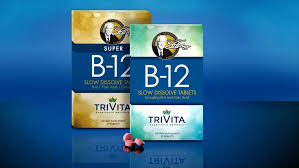
Myths About Vitamin B12

Posted by Bobby Brown on April 30, 2020 - 5:35am


Debunking Four Myths About Vitamin B12

The vitamin B12 craze has been around for years—and for good reason. Vitamin B12 is an essential vitamin that your body requires to function properly. B12 is involved in numerous critical processes such as DNA production, metabolism, healthy nerve function and the formation of red blood cells.

While this vitamin is necessary for long-term health, there are still some major misconceptions about it. So, here are four of the most common myths about B12 and the real truth about vitamin B12.

Myth One: Only vegans and vegetarians are at risk of B12 deficiency

Anyone can be at risk of developing a vitamin deficiency. As modern diets, lifestyles and medication use change, it’s possible that anyone can develop a vitamin B12 deficiency. That being said, certain groups have an increased risk. Those groups include individuals who:

  • Eat a restrictive diet. It’s always best to take a food-first approach to get the nutrients you need to thrive. However, certain dietary restrictions can make it challenging to meet your needs.  
  • Use certain medications. Nutrient absorption begins in the stomach where stomach acid plays a vital role in making vitamin B12 available to your body. Those taking medications to suppress gastric acid or treat heartburn may be a higher risk of developing a deficiency.
  • Have undergone gastrointestinal surgeries or have GI disorders. Gastric bypass and other types of stomach surgery, as well as gastrointestinal conditions like Crohn’s disease or IBS,  can put you at higher risk.
  • Adults over age 50. Stomach acid production typically slows down as you age, which can prohibit your body from unlocking vitamin B12 from food and making it available to the body.

Myth Two: B12 shots are better than oral supplements

Vitamin B12 shots and now B-vitamin IVs are being advertised as the best option. While it’s true that B12 injections can deliver considerable doses directly into the bloodstream very quickly, it may not be the best solution for everyone. B12 shots are often expensive and require a visit to your doctor’s office. If you are looking for the best type of B supplement, then find the one that works best for your budget, lifestyle, and health.

Myth Three: Vitamin B12 will instantly boost energy

Vitamin B 12 has long been touted as an energy-boosting vitamin, by it’s more like a key that unlocks energy. While B-vitamins can alleviate fatigue and improve overall energy levels, don’t start popping vitamins looking for a quick fix to your energy woes. Supplementing with vitamin B12 certainly can improve energy levels, but have only been shown in individuals with low or low-normal blood levels. So if you already have optimal levels of B12, then supplementing likely won’t offer you what you’re looking for.

Myth Four: Taking too much vitamin B12 is dangerous

Vitamin B12 is a water-soluble vitamin, meaning your body secretes any excess that can’t be used through the urine. Moreover, there is no upper limit for B12, so you don’t really need to worry about getting too much through diet and supplements. The recommended amount of vitamin B12 for adults is 2.4 micrograms per day and 2.6 and 2.8 micrograms per day for expecting and nursing mothers, respectively.

Ben E Powell Be thinking of adding a b- vitamin complex to my diet
May 2, 2020 at 8:09pm
Kevin Jacobson I need to focus more om specific vitamins I may be deficient on.
April 30, 2020 at 8:08am